


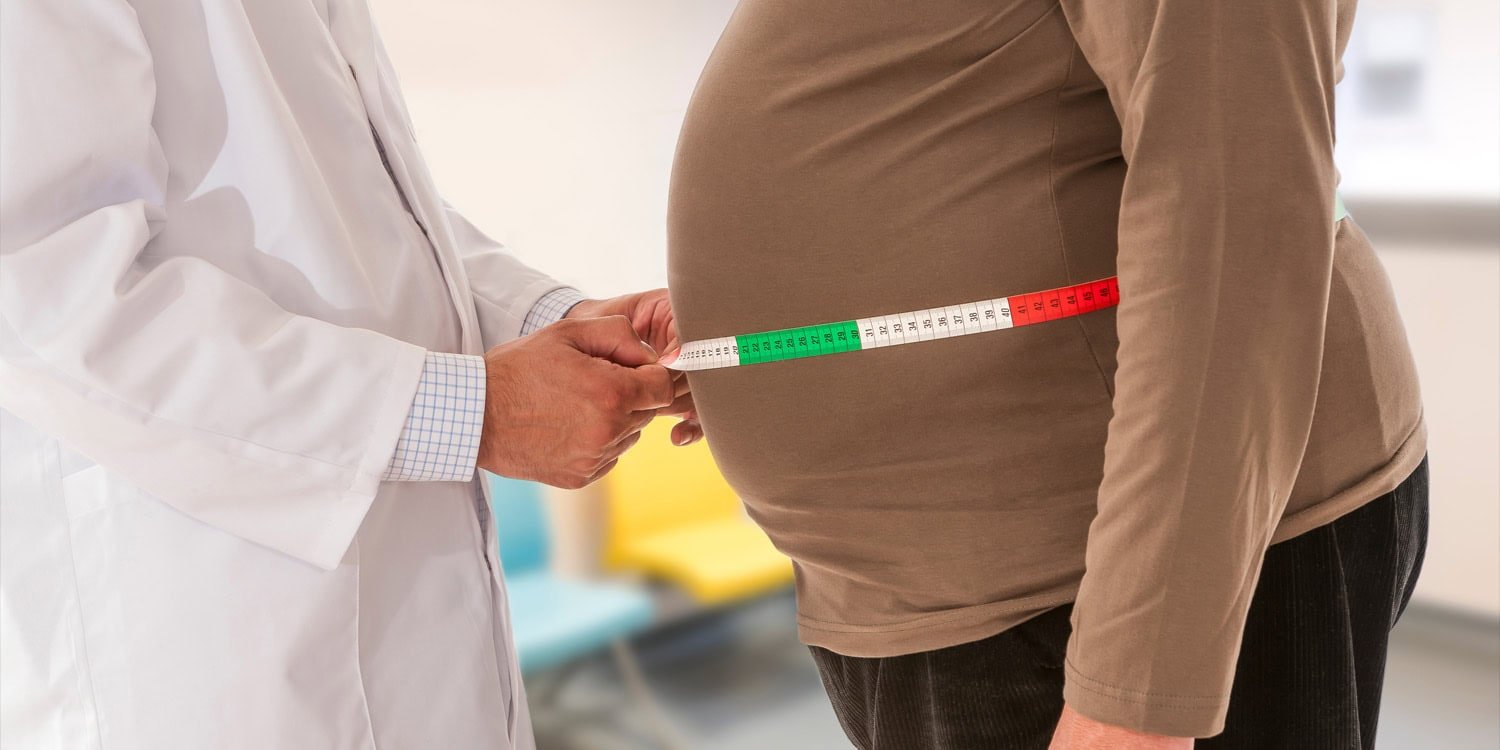
New research published in Journal of Health Psychology A specific measurement of body shape called the body roundness index provides evidence of a link between excess abdominal fat and depression in people with dementia. The findings show that older adults with dementia who have a rounder body shape are significantly more likely to experience symptoms of depression. This could provide a new tool for physicians to identify and monitor mental health risks in older patients experiencing cognitive decline.
Scientists conducted this study to better understand how physical health contributes to mood disorders in older adults experiencing cognitive decline. Felipe Kenji Sudo, a physician and researcher at the Dole Research and Education Institute in Brazil, explained the motivation behind the project. “Depression is common in people with dementia, but it is not always easy to recognize or predict in daily clinical practice,” says Professor Sudo.
“We wanted to investigate whether simple measurements of body fat distribution were associated with depression in this population,” Sudo said. Dementia is a globally prevalent disease characterized by severe memory and thinking problems. A significant proportion of dementia cases tend to be associated with risk factors that can be modified or treated.
Among these preventable factors, maintaining excess weight has emerged as the leading cause of poor brain health. Excess body fat can cause chronic low-level inflammation throughout the body. This persistent inflammation tends to disrupt normal brain activity and can accelerate the deterioration of brain cells.
Such inflammation causes physical stress in the body and can also interfere with the way the brain processes hormones. A combination of these physical stressors often causes symptoms of depression. Obesity, depression, and memory loss share these underlying biological pathways, so scientists wanted to see if measuring body fat could predict mood problems.
However, assessing body fat in older adults presents unique challenges. As people age, muscle and bone density naturally decreases. This means that the traditional Body Mass Index, which calculates a score based on a person’s height and weight, may significantly underestimate how much fat older people actually carry.
To address these limitations, researchers have developed a new formula that attempts to more accurately capture body fat distribution. One of these formulas is the body roundness index. This uses a person’s height and waist measurements to conceptualize the body as an oval. Scientists designed this study to determine whether these new formulas could predict depression better than older methods.
To explore this relationship, scientists analyzed data from 601 community-dwelling older adults. These participants ranged in age from 60 to 91 years old and were evaluated at a memory clinic in Brazil from 2015 to 2024. All participants had completed at least eight years of formal education and underwent a standard medical interview and physical examination.
During the physical examination, medical staff measured each participant’s height, weight, and waist size. The researchers then used these numbers to calculate several different estimates of body fat. These included traditional measures such as BMI and simple waist circumference.
We also calculated several new metrics designed to help you understand your body shape, including waist-to-height ratio, conicity index, and body roundness index. The Conicity Index assesses how similar a person’s body is to a double cone. The Body Roundness Index, on the other hand, evaluates the overall roundness.
Trained professionals assessed participants’ cognitive abilities using a variety of standardized tests. These tests measured memory, attention, language skills, and visual perception. Based on these tests and daily life reports, 239 of the participants were formally diagnosed with dementia.
The researchers also assessed everyone’s mental health by assessing symptoms of depression using a special 15-item questionnaire designed specifically for older adults. Participants who scored 5 or higher on this scale were classified as having depression. The scientists also measured anxiety levels to ensure they could distinguish between the effects of anxiety and actual depression.
Looking at the entire group of 601 participants, the researchers found no relationship between body fat measurements and the presence of depression. But when scientists looked closely at 239 people diagnosed with dementia, the data revealed a very different pattern. In this particular group, approximately 36 percent of patients had depression.
In the dementia group, the new body roundness index showed a strong and consistent association with depressive symptoms. “What surprised us was the lack of positive results for the most commonly recommended measures for obesity screening, such as BMI and waist circumference,” Sudo said.
“In contrast, a new measure, body roundness index, showed a significant association with symptoms of depression,” Sudo explained. “This suggests that body fat distribution may capture clinically relevant information that more traditional measurements do not fully reflect in this population.”
The scientists divided the patients into four equal groups based on their body roundness index scores. They found that people in the quarter with the highest roundness score were more than three times as likely to experience depression compared to those in the lowest quarter. This relationship held true even after scientists adjusted the mathematical model to account for other factors such as age, gender, education level, and pre-existing health conditions.
“Our findings suggest that increased body fat accumulation in patients with dementia may be associated with an increased risk of depressive symptoms,” Professor Sudo said. “In other words, body composition may provide useful clues not only about physical health, but also about mental health in neurodegenerative conditions.”
“While this does not prove cause and effect, it highlights how emotional well-being and metabolic health are closely linked in dementia,” Sudo continued. Researchers suggest that body roundness index better reflects central fat accumulation, which is the accumulation of fat around the abdomen and internal organs. This particular type of fat is highly biologically active and is known to release inflammatory chemicals into the bloodstream.
Although this study provides new insights, there are some limitations that should be considered. “This is a cross-sectional study, so although it shows an association, we cannot determine causation,” Sudo pointed out.
“Furthermore, because this sample was taken from a memory clinic, the results of this study may not be fully generalizable to all older adults with dementia in the community or other clinical settings,” Sudo added. The researchers also relied on mathematical formulas rather than precise medical images. Future research would benefit from using advanced body scans to determine the exact amount and location of body fat.
“Our next step is to study these associations over time and see if measurements such as body roundness index can help predict depressive symptoms in dementia,” Sudo said. “More broadly, we are interested in understanding how nutritional factors relate to neuropsychiatric symptoms and other clinical features of dementia.”
“This includes examining associations with dietary patterns, body composition, and dementia symptoms, as well as the potential role of different food groups depending on their degree of processing,” Sudo concluded. Incorporating simple shape-based measurements into routine visits could ultimately help doctors provide better care to vulnerable older adults.
The study “Body roundness index as a predictor of depression in dementia: a cross-sectional study” was co-authored by Clarissa Pacheco da Rocha Fernández, Natalia Oliveira, Rejane Soares, Fernanda Rodríguez, Gabriel Written by Lu Bernardes, Raquel Quimas Molina da Costa, Naima Asuncao, Alina Terdeschi, Felipe Mendonca, Victor Calil, and Andrea Silveira de Sousa. Claudia Drummond, Fernanda Tovar-Moll, Paulo Mattos, Felipe Kenji Sudo.
