


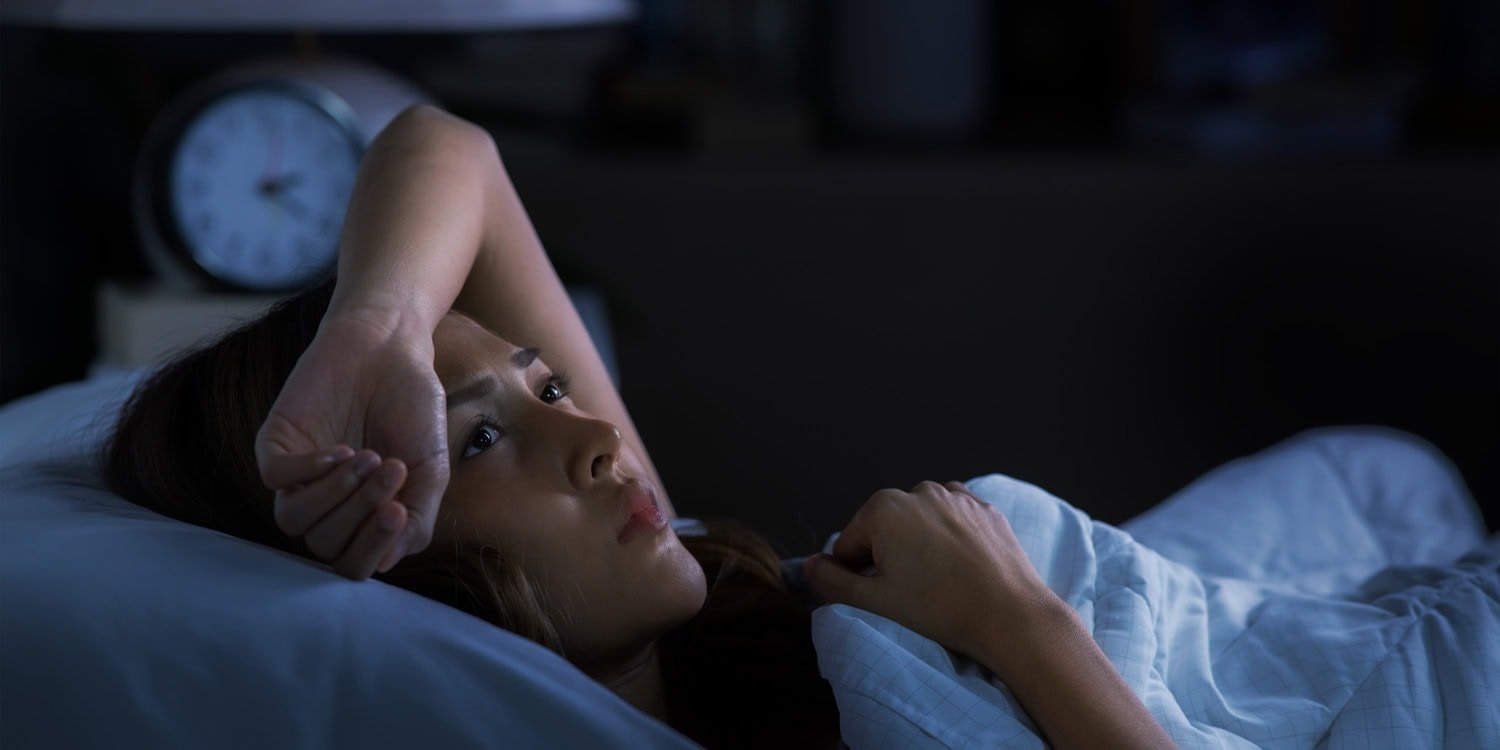
Recent research published in Affective Disorders Journal Studies suggest that adults with attention-deficit/hyperactivity disorder and who struggle with emotional regulation are more likely to experience symptoms of insomnia. The findings provide evidence that lack of access to effective emotional coping strategies plays a major role in these sleep disorders, especially among young adults. This highlights the importance of addressing mental health when treating sleep problems in ADHD patients.
Attention-deficit/hyperactivity disorder, commonly known as ADHD, is a condition characterized by differences in attention, concentration, and behavior. Adults with this condition often experience difficulty regulating their emotions in daily life. This means that it can be difficult to adapt and manage emotional responses to suit the demands of a particular situation. These emotional challenges tend to negatively impact overall quality of life.
“One of our group’s main research focuses is the role of emotion regulation in mental health, including in adults with ADHD,” said study author Lynn Sørensen, a licensed clinical psychologist and professor at the Department of Clinical and Biological Psychology at the University of Bergen in Norway. “Based on this study, we became interested in whether difficulties regulating distressing thoughts and emotions may contribute to sleep problems in adults with ADHD.”
Sleep disturbances are a frequent challenge for people with ADHD. Insomnia involves difficulty falling asleep, staying asleep, or waking up early, causing fatigue and daytime disturbances. Up to 67 percent of adults with ADHD have insomnia, compared to up to 24 percent of adults in the general population. Sleep problems are so common that scientists increasingly view ADHD as a condition that affects function both during the day and at night.
Scientists suspect that a biological and psychological mechanism called hyperarousal may be linked to these two problems. Hyperarousal is a state of heightened mental and physical alertness, often accompanied by racing thoughts and physical tension. When we have difficulty controlling our negative emotions, we tend to become hyperarousal at bedtime. Emotional distress can trigger the body’s stress response, making it very difficult for the brain to transition into a resting state.
This state of alertness leads to rumination before bed, where a person repeatedly worries about the day’s events. Previous research suggests a link between emotion dysregulation and insomnia in people without ADHD. The authors of the new study wanted to see if this same pattern existed within the adult ADHD population. They hypothesized that emotion regulation problems may serve as a specific vulnerability factor for insomnia in this group.
To explore these ideas, the research team designed an online survey in collaboration with the Norwegian ADHD Association. The final sample included 1,414 adults who self-reported being diagnosed with ADHD or experiencing strong ADHD symptoms. Participants ranged in age from 16 to 74 years, with an average age of approximately 40 years. The group was mostly female, making up about 81 percent of respondents.
Participants completed several detailed questionnaires, including the Difficulty in Emotion Regulation scale. This special tool measures how well an individual is able to accept negative emotions, control impulses, and maintain awareness of their emotions. It also measures whether people have limited access to effective coping strategies when they feel upset. A high score on this scale indicates that the person has great difficulty managing their emotional responses.
To track their sleep, participants completed the Bergen Insomnia Scale, which measures how often they experienced various sleep problems over the past month. The researchers also determined each participant’s chronotype using the Horne-Ostberg morning-evening questionnaire. Chronotype refers to a person’s natural biological preference to wake up and be active in the morning or evening. Based on their responses, participants were classified as morning people, night owls, or something in between.
The scientists also collected data on several clinical and demographic characteristics. They asked participants to complete the Adult ADHD Self-Report Scale to measure the severity of their current ADHD symptoms. In addition, we measured symptoms of depression and generalized anxiety using standardized questionnaires. Researchers collected information on education level, occupational status, drug use, and whether participants were currently taking stimulants.
The researchers estimated that 76 percent of participants experienced insomnia, but that number dropped to 60 percent when using the most stringent diagnostic criteria. They found that overall greater difficulty regulating emotions was associated with more severe insomnia symptoms. This provides evidence that struggling to control intense emotions is associated with poor sleep quality. Psychological distress is thought to be a major contributing factor to the high levels of insomnia seen in ADHD.
When the authors looked at specific emotional challenges, one particular issue stood out. Participants who reported limited access to effective emotion regulation strategies experienced the most severe sleep disturbances. This means that simply being irritable is not the main cause of insomnia. Rather, not knowing how to calm down or effectively deal with upset emotions was the main predictor of sleep problems.
The association between emotion regulation difficulties and insomnia was most pronounced among younger participants. For emerging adults under 30, the association between emotion regulation problems and insomnia was much stronger than for older adults. “We expected the opposite pattern, so we were surprised to find that the association between emotion regulation difficulties and sleep problems was stronger in younger than older people with ADHD,” Sorensen said.
As we enter adulthood, demands for independence and self-control increase, which can increase emotional stress. In older adults, other life factors may simply mask this particular relationship. “One possible explanation is that sleep problems in older adults are more influenced by factors such as family responsibilities, work demands, and menopause, especially given that most of the participants were women with ADHD,” Sorensen explained.
Interestingly, the participants’ chronotype did not affect the results. Although a preference for night time was very common in this sample, being a night owl did not strengthen or weaken the association between emotional conflict and insomnia. “One interesting finding is that the association between emotion regulation difficulties and sleep problems cannot be explained by ‘night owl’,” Sorensen said.
Researchers initially thought that staying up late made the problem worse. “We expected nighttime preference to play a role, as nighttime preference is common in ADHD and is often associated with decreased self-regulation and increased sleep disturbances, but that was not the case,” Sorensen told PsyPost. Additionally, men and women with ADHD showed similar patterns linking emotional conflict and sleep problems, so the relationship did not vary by gender.
These main findings remained statistically significant even after the researchers took into account other influences. They adjusted the data for factors such as depression, anxiety, ADHD medication use, and overall ADHD symptom severity. Depression is strongly associated with insomnia, which is consistent with previous research on mental health and sleep. However, emotion regulation difficulties still predicted insomnia independently of depression, indicating that coping with emotions is uniquely associated with sleep.
In considering the research’s impact, Sorensen emphasized the everyday impact of these conditions. “Difficulty controlling strong and intense emotions can make it more difficult to fall asleep and stay asleep through the night,” she explained. “However, because our study is correlational, we cannot determine the direction of this relationship.”
It is very likely that there is a two-way street between the two variables. When you don’t get enough sleep, you have a harder time controlling your emotions the next day, which increases hyperarousal and impairs your next night’s sleep. “It is equally possible that sleep problems contribute to further difficulties in emotional regulation,” Sorensen added. “In fact, theoretical models suggest that this relationship is likely bidirectional: Difficulty regulating emotions may disrupt sleep, while poor sleep quality may reduce the ability to effectively regulate emotions.”
This study relies entirely on self-reported data, which comes with its own limitations. “Because our study was cross-sectional, we cannot establish the direction of the observed association,” Sorensen said. “Furthermore, participants were recruited through a survey conducted in collaboration with the Norwegian ADHD Association, and the diagnosis of ADHD was self-reported rather than clinically verified as part of the study.”
The sample was overwhelmingly female and therefore may not be accurately representative of the broader adult ADHD population. Women in this study were less likely to be employed and more likely to take sick leave, which can affect stress and sleep patterns. Additionally, sleep was not objectively measured using medical equipment in a sleep laboratory. Future studies should aim to collect more balanced samples across genders and use objective clinical measures.
Looking to the future, researchers hope to build on these findings to better understand how daily experiences influence nighttime rest. “We are particularly interested in understanding ADHD as a 24-hour condition and identifying the mechanisms that link daytime functioning with sleep and nighttime functioning,” Sorensen said.
The study, “Emotional regulation difficulties and the association with insomnia symptoms in adults with ADHD,” was co-authored by Lin Sørensen, Camille Hjo, Anna Elfrida Vollsund, Elisabeth Flo-Groeneboom, Daniel A. Jensen, Ane M. Tømmeraas, Nina Holmen, Stephen P. Becker, Edmund JS Sonuga-Barke, Bjørn Bjorvatn, and Christian K. Tamnes.
