

Close Menu

    Subscribe to Updates

    Get the latest creative news from FooBar about art, design and business.

    What's Hot

    NASA suspends 49-year-old Voyager 1 to keep it alive

    May 4, 2026

    Perceived dissatisfaction and psychological distress are associated with left-wing authoritarianism

    May 4, 2026

    Mifepristone, abortion pills, blue zones, and brain drain: Morning rounds

    May 4, 2026
    Facebook X (Twitter) Instagram
    Facebook X (Twitter) Instagram
    Health Magazine
    • Home
    • Environmental Health
    • Health Technology
    • Medical Research
    • Mental Health
    • Nutrition Science
    • Pharma
    • Public Health
    • Discover
      • Daily Health Tips
      • Financial Health & Stability
      • Holistic Health & Wellness
      • Mental Health
      • Nutrition & Dietary Trends
      • Professional & Personal Growth
    • Our Mission
    Health Magazine
    Home » News » AAD survey finds Americans ignore sun risks despite skin cancer concerns
    Discover

    AAD survey finds Americans ignore sun risks despite skin cancer concerns

    healthadminBy healthadminMay 4, 2026No Comments5 Mins Read
    AAD survey finds Americans ignore sun risks despite skin cancer concerns
    Share
    Facebook Twitter Reddit Telegram Pinterest Email


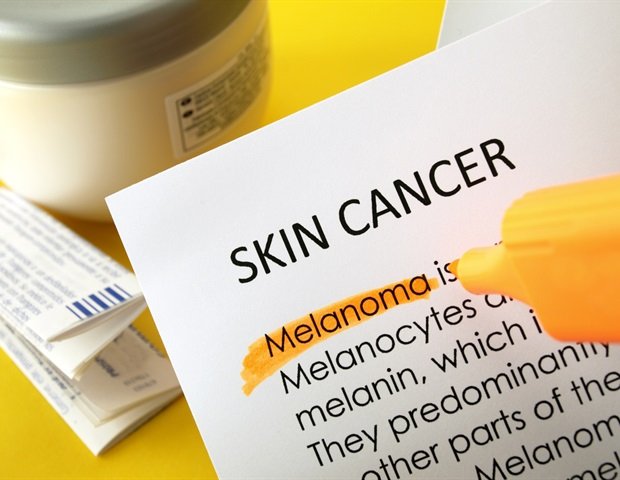
    The American Academy of Dermatology (AAD) today released the results of its annual Safe Tanning Survey, revealing that despite concerns about the long-term aging effects of sun exposure, many Americans continue to engage in risky tanning practices, driven by misinformation, social media, and persistent tanning myths. In honor of Skin Cancer Awareness Month in May and Melanoma Monday® on May 4, AAD is encouraging the public to practice safe sunbathing to reduce the risk of skin cancer.

    The survey highlighted a perception gap between Americans’ understanding of safe sunbathing practices and the reality of good practices. This translates into different awareness and actions to protect your skin from harmful ultraviolet (UV) radiation.

    • Although 57% of Americans regularly use sunscreen and more Americans report taking steps to protect their skin, one-third say they have sunburned in the past year.
    • Even though 67% rate their habits as “good” or “excellent,” nearly half of Americans score a “C” or lower on the AAD’s Sunscreen Quiz, which assesses sunscreen knowledge. Among Gen Z (ages 18-29), one-third earned a D or F.

    Online misinformation influences sunscreen decisions

    Survey data shows that misleading information online is a major factor in decision-making about sunscreen safety, with more than 16 million adults reporting that they have reduced or stopped using sunscreen because of online claims. This effect is especially noticeable among younger viewers.

    • 21% of Americans rely on influencers on Instagram or TikTok for skincare advice, while 36% of Gen Z cite influencers on these platforms as their primary source of information.
    • Almost half of Americans, 64% of Gen Z, report encountering sunscreen misinformation online.

    “While it is encouraging that more than half of Americans use sunscreen, youth and adults are navigating an overwhelming amount of conflicting information about sunscreen,” said Murad Alam, MD, MSCI, MBA, FAAD, president of the AAD and board-certified dermatologist.

    Misinformation reinforces myths about harmful sunburns and leads people to underestimate the risks of UV exposure and ignore protective measures. It’s important to evaluate your sources of medical information and seek the advice of a board-certified dermatologist to make informed skin care decisions. The reality is that window glass cannot protect you from harmful rays, and no amount of sun exposure is necessary to be completely safe. ”


    Mr. Murad Alam, President of AAD

    Myths about tanning remain pervasive.

    One persistent myth is that tanning is harmless or healthy. Sunburn is a sign of UV damage, which can increase your risk of skin cancer and accelerate premature aging. In fact, at least one in five Americans will develop skin cancer in their lifetime. Despite these risks, more than 160 million American adults will be tanning by 2025, and nearly 60 million of them will be tanning intentionally, often driven by appearance ideals or misinformation.

    • 83% of all adults say sun exposure gives them a “healthy-looking glow” and 55% believe tanned skin looks healthier.
    • More than half (52%) believe at least one myth about tanning, including that tanning is safe as long as it doesn’t burn (29%) or that a basic tan can prevent sunburn or reduce cancer risk (19%).

    “There is no such thing as a safe tan. Every time you tan or tan, you also damage the DNA in your skin, and the more damage there is, the greater the risk of skin cancer,” added Dr. Alam. “There is a disconnect that causes high rates of sunburn, and the effects go far beyond temporary discomfort. Sunburn causes pain and embarrassment in the short term, and over time not only can skin become wrinkled, blemished, and look older, but it can also dramatically increase the risk of skin cancer.”

    Knowledge gaps regarding long-term skin protection still exist

    As more Americans become aware of the effects of sun exposure, concerns about long-term skin health are clear.

    • Half of adults (50%) are worried about premature aging of their skin, and 43% already notice damage such as wrinkles and age spots.
    • Looking back, 70% say they wish they had done more to protect their skin earlier in life.
    • However, knowledge gaps still exist, with 21% not aware that sunscreen can help prevent premature aging and 26% not aware that sunscreen can help prevent age spots.

    “Data shows that many Americans are learning the hard way about long-term sun damage,” Dr. Alam said. “The effects of UV exposure increase over time, accelerating premature aging and increasing the risk of skin cancer, currently the most common form of cancer in the United States. The good news is that much of this damage is preventable with simple and consistent sun protection habits.”

    To detect skin cancer early, perform regular self-exams. If you notice new or suspicious spots on your skin, or spots that change, itch, or bleed, talk to a board-certified dermatologist, your most trusted partner in protecting your skin, by visiting aad.org/skincancer to learn more and find a board-certified dermatologist near you.

    sauce:

    American Academy of Dermatology


    Source link

    Visited 1 times, 1 visit(s) today
    Share. Facebook Twitter Pinterest LinkedIn Telegram Reddit Email
    Previous ArticleAlzheimer’s disease drugs may not work and may increase brain risks
    Next Article Diaceutics report finds 65% of eligible lung cancer patients do not receive the most appropriate targeted therapy
    healthadmin

    Related Posts

    Randomized controlled trial tests total hip replacement to improve functional capacity

    May 4, 2026

    Cellular senescence of immune cells signals early onset of cognitive depression

    May 4, 2026

    Short-term exposure to idealized fitness posts impairs body image in both genders

    May 4, 2026

    Researchers exploit tamoxifen’s active metabolite to improve breast cancer prevention

    May 4, 2026

    Study debunks steroid myths and positions creatine as essential energy-providing molecule

    May 4, 2026

    Diaceutics report finds 65% of eligible lung cancer patients do not receive the most appropriate targeted therapy

    May 4, 2026
    Add A Comment
    Leave A Reply Cancel Reply

    Categories

    • Daily Health Tips
    • Discover
    • Environmental Health
    • Exercise & Fitness
    • Featured
    • Featured Videos
    • Financial Health & Stability
    • Fitness
    • Fitness Updates
    • Health
    • Health Technology
    • Healthy Aging
    • Healthy Living
    • Holistic Healing
    • Holistic Health & Wellness
    • Medical Research
    • Medical Research & Insights
    • Mental Health
    • Mental Wellness
    • Natural Remedies
    • New Workouts
    • Nutrition
    • Nutrition & Dietary Trends
    • Nutrition & Superfoods
    • Nutrition Science
    • Pharma
    • Preventive Healthcare
    • Professional & Personal Growth
    • Public Health
    • Public Health & Awareness
    • Selected
    • Sleep & Recovery
    • Top Programs
    • Weight Management
    • Workouts
    Popular Posts
    • 1773313737_bacteria_-_Sebastian_Kaulitzki_46826fb7971649bfaca04a9b4cef3309-620x480.jpgHow Sino Biological ProPure™ redefines ultra-low… March 12, 2026
    • the-pros-and-cons-of-paleo-dietsThe Pros and Cons of Paleo Diets: What Science Really Says April 16, 2025
    • pexels-david-bartus-442116The food industry needs to act now to cut greenhouse… January 2, 2022
    • Improve Mental Health10 Science-Backed Practices to Improve Mental Health… March 11, 2025
    • 1773729862_TagImage-3347-458389964760995353448-620x480.jpgDespite safety concerns, parents underestimate the… March 17, 2026
    • 1773209206_futuristic_techno_design_on_background_of_supercomputer_data_center_-_Image_-_Timofeev_Vladimir_M1_4.jpegMulti-agent AI systems outperform single models… March 11, 2026

    Demo
    Stay In Touch
    • Facebook
    • Twitter
    • Pinterest
    • Instagram
    • YouTube
    • Vimeo
    Don't Miss

    NASA suspends 49-year-old Voyager 1 to keep it alive

    By healthadminMay 4, 2026

    On April 17, engineers at NASA’s Jet Propulsion Laboratory (JPL) in Southern California sent a…

    Perceived dissatisfaction and psychological distress are associated with left-wing authoritarianism

    May 4, 2026

    Mifepristone, abortion pills, blue zones, and brain drain: Morning rounds

    May 4, 2026

    Da Vinci’s lineage reveals genetic secrets of genius

    May 4, 2026

    Subscribe to Updates

    Get the latest creative news from SmartMag about art & design.

    HealthxMagazine
    HealthxMagazine

    At HealthX Magazine, we are dedicated to empowering entrepreneurs, doctors, chiropractors, healthcare professionals, personal trainers, executives, thought leaders, and anyone striving for optimal health.

    Our Picks

    Da Vinci’s lineage reveals genetic secrets of genius

    May 4, 2026

    Amgen pumps $300 million more into U.S. spending, boosts Puerto Rico biologics expansion

    May 4, 2026

    Navigating the 2025-2030 Dietary Guidelines: Key Shifts and Expert Challenges

    May 4, 2026
    New Comments
      Facebook X (Twitter) Instagram Pinterest
      • Home
      • Privacy Policy
      • Our Mission
      © 2026 ThemeSphere. Designed by ThemeSphere.

      Type above and press Enter to search. Press Esc to cancel.