


A compound in cannabis may help reduce alcohol dependence and withdrawal symptoms, a new study in animals suggests that the substance can protect the brain from damage caused by heavy drinking. This study was published in the journal neuropsychopharmacology.
Alcoholism remains a serious global health problem. People with alcohol use disorders often struggle with uncontrolled drinking and experience severe withdrawal symptoms when they try to quit. Several medications exist to help treat alcohol dependence, but many have limited effectiveness or cause unwanted side effects.
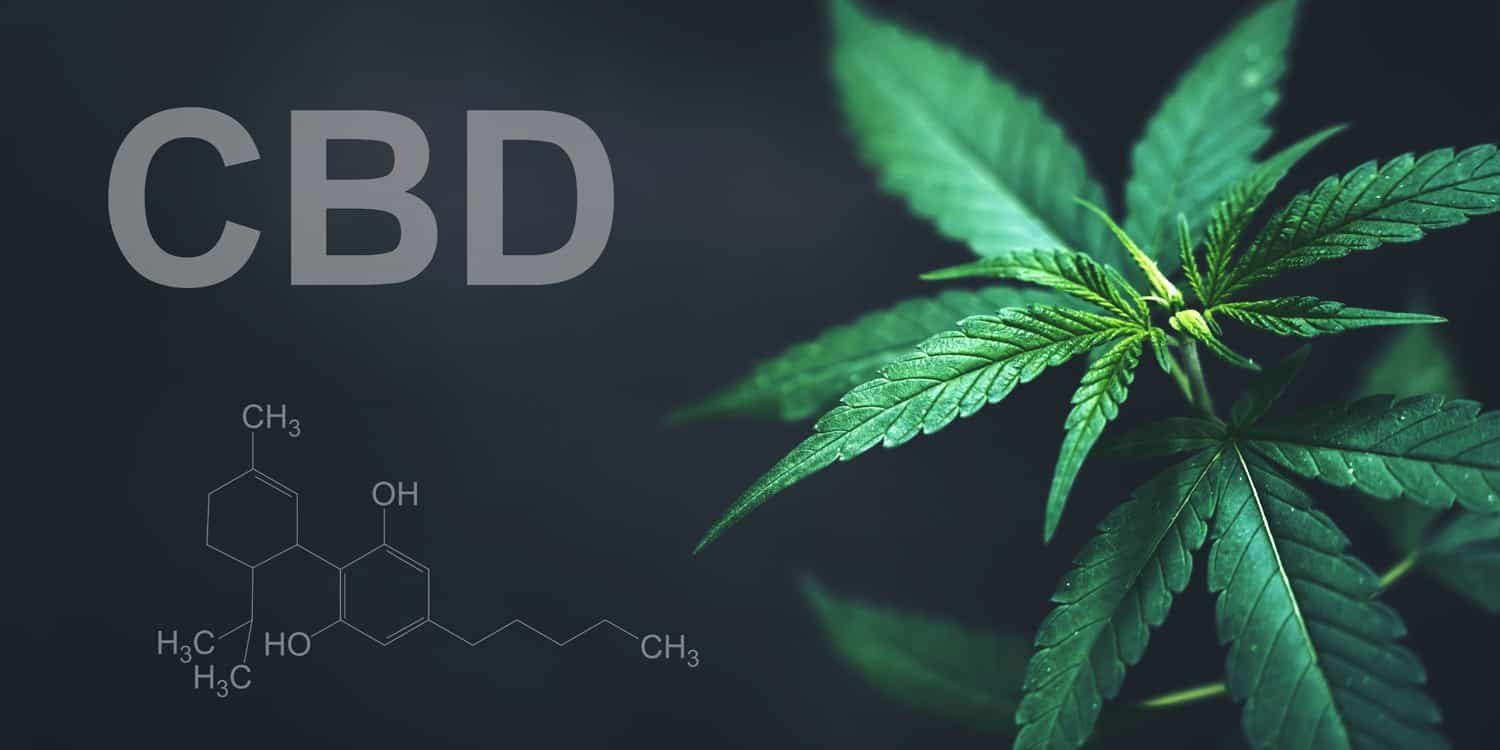
A potential alternative is cannabidiol (CBD), a natural compound found in the cannabis plant. Unlike THC, it does not cause the “high” associated with marijuana. Recently, researchers have been studying CBD for a variety of medical uses, including reducing anxiety and treating epilepsy.
Previous animal research suggests that CBD may also reduce alcohol consumption and alcohol-seeking behavior. However, many of those experiments involved animals that were not fully dependent on alcohol, and the new study aimed to investigate whether CBD could help in cases that closely resemble severe, established alcohol dependence.
The study, conducted by a team at the University of California, San Diego and led by lead author Giordano de Guglielmo, involved 166 rats (87 males and 79 females) exposed to alcohol over an extended period of time in a series of experiments. In one model, rats were repeatedly exposed to alcohol vapor to induce physical dependence, mimicking the severe neuroadaptive changes seen in human alcoholics.
In another model, animals voluntarily self-administered alcohol vapor, allowing them to observe a pattern similar to how humans go from casual drinking to a compulsive habit. The researchers then gave some animals regular injections of CBD and compared their behavior and brain changes to rats that were not given the compound.
The results revealed that rats treated with CBD consumed significantly less alcohol during the acute withdrawal period and experienced fewer physical withdrawal symptoms. They also showed reduced anxiety-like behaviors and decreased sensitivity to physical pain. These are common during alcohol withdrawal and often lead patients to relapse.
To confirm that CBD was specifically targeting alcohol dependence, rather than simply reducing the animals’ overall desire for reward, the researchers fed rats sweetened saccharin water. CBD had no effect on sugar water intake, proving that CBD’s therapeutic effects are specific to alcohol-motivated behavior.
CBD also fundamentally changed how the animal’s brain responds to alcohol. The compound restored normal electrical activity in a brain region called the basolateral amygdala, which is deeply involved in stress, emotion regulation, and addiction-related behaviors. Severe chronic alcohol consumption previously reduced and destroyed the electrical excitability of this region.
Additionally, CBD also acted as a neuroprotective agent. Chronic alcohol exposure typically causes brain cell death and inflammation, but CBD prevented this damage, particularly in the nucleus accumbens shell and dorsomedial striatum. These specific brain regions control spontaneous, goal-directed behavior, suggesting that CBD may help prevent the brain from slipping into a compulsive, uncontrollable habit state.
Another important finding was that CBD successfully blocked relapse-like behaviors caused by severe stress, which is a major cause of relapse in people recovering from addiction.
Importantly, CBD does not appear to enhance the sedative effects of alcohol or interfere with normal movement, indicating that the benefits of this compound are not simply due to making animals too impaired to drink.
De Guglielmo et al. concluded that “chronic administration of CBD attenuates key behavioral and neurobiological features of alcohol dependence by attenuating withdrawal symptoms, reducing relapse risk, restoring excitability of basolateral amygdala neurons, and preventing neurodegeneration.”
Despite the promising results from animal studies, researchers are optimistic about human applications. The study noted that the plasma levels of CBD achieved in these rats were broadly consistent with safe therapeutic levels already seen in humans taking FDA-approved oral CBD for conditions such as epilepsy. Therefore, although this finding is highly interpretable, further clinical trials are needed to determine the optimal dose for treating alcohol dependence in humans.
The authors of the study, “Cannabidiol alleviates alcohol dependence and withdrawal symptoms through neuroprotective effects in the basolateral amygdala and striatum,” are Seren Dyrick, Michelle R. Doyle, Courtney P. Wood, Paola Campo, Angelica R. Martinez, Mackenzie Fanone, Maria G. Balagar, Spencer Seeley, Brian A. Montoya, Gregory MR. Cook, and Gabriel M. Palermo, Junjie Lin, Madeline D. Sisto, Parsa K. Nagsine, Jihan Lan, Sarah RMU Rahman, Raymond Suhandinata, Paul Schweitzer, Marcida Carpi, and Giordano de Guglielmo.
