

Close Menu

    Subscribe to Updates

    Get the latest creative news from FooBar about art, design and business.

    What's Hot

    Strange new quantum states emerge when atoms become ‘frustrated’

    March 16, 2026

    Psychologists reveal key triggers behind narcissists’ passive-aggressive behavior

    March 16, 2026

    Clinicians show moderate response to elevated lipoprotein levels in low-risk patients

    March 16, 2026
    Facebook X (Twitter) Instagram
    Facebook X (Twitter) Instagram
    Health Magazine
    • Home
    • Environmental Health
    • Health Technology
    • Medical Research
    • Mental Health
    • Nutrition Science
    • Pharma
    • Public Health
    • Discover
      • Daily Health Tips
      • Financial Health & Stability
      • Holistic Health & Wellness
      • Mental Health
      • Nutrition & Dietary Trends
      • Professional & Personal Growth
    • Our Mission
    Health Magazine
    Home » News » Smells from Egyptian mummies reveal 2000-year-old secrets
    Nutrition Science

    Smells from Egyptian mummies reveal 2000-year-old secrets

    healthadminBy healthadminMarch 16, 2026No Comments4 Mins Read
    Smells from Egyptian mummies reveal 2000-year-old secrets
    Share
    Facebook Twitter Reddit Telegram Pinterest Email


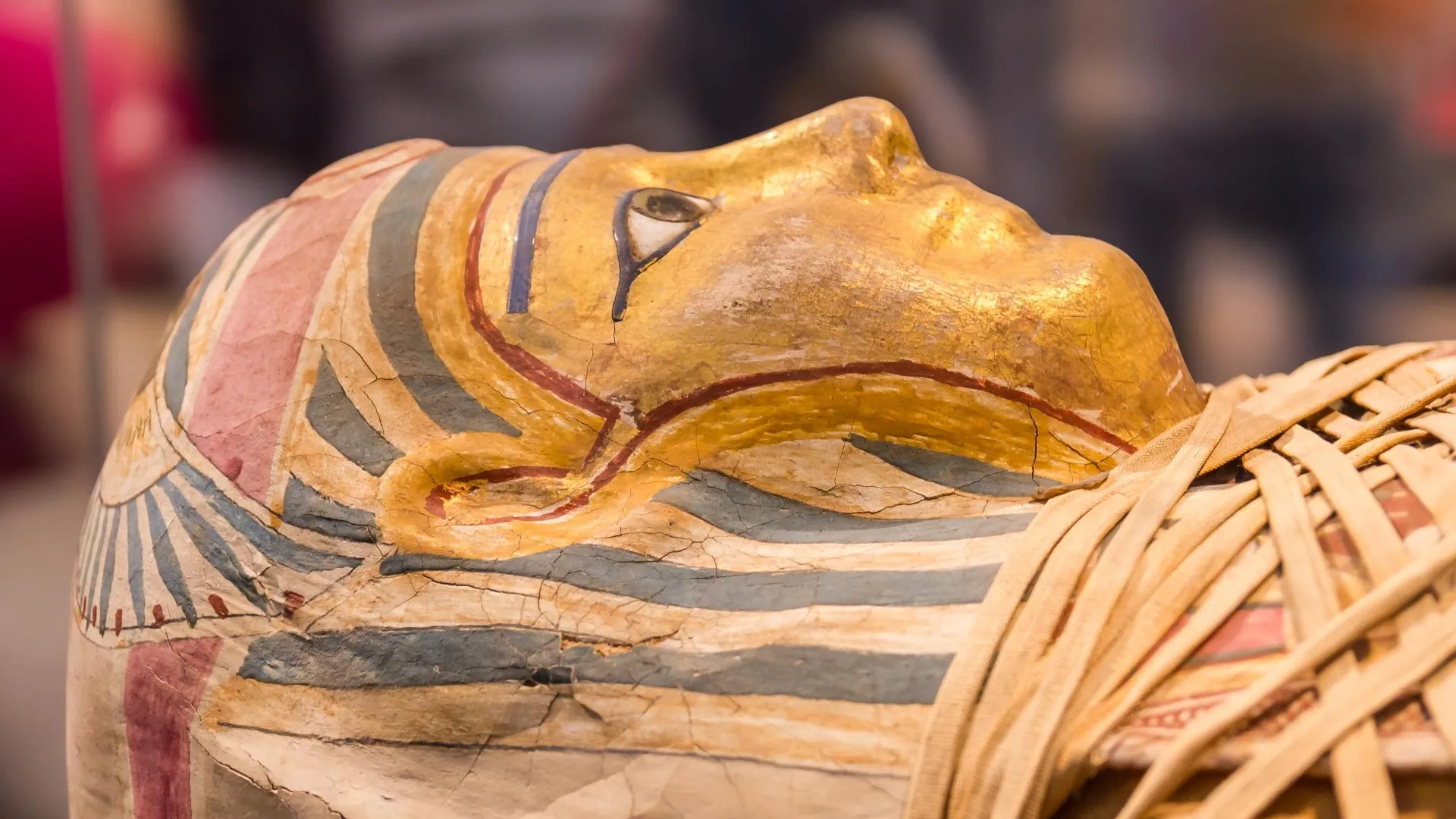
    Although mummification has fascinated historians and scientists for centuries, many details about how ancient Egyptians preserved their dead remain unknown. A new study has found that the distinct musty odor of mummified bodies contains valuable clues about how these elaborate burial rituals were carried out.

    A study led by chemists at the University of Bristol has found that the odor associated with mummies is not simply a result of aging or decomposition. Instead, it reflects the complex mix of substances used during embalming, as well as the preservation fabrics and materials wrapped around the corpse. Taken together, these remaining chemical traces reveal how mummification methods have changed and become more sophisticated over the centuries.

    Lead author Dr Wangyue Zhao, Research Fellow in Organic Geochemistry at the University of Bristol, said: “This discovery represents an important step forward in improving our understanding of Egyptian history and the fascinating ritual of mummification. Analysis of the associated scents reveals new insights into how this practice developed over time and became increasingly sophisticated.”

    Analyzing the air around ancient ruins

    To investigate the source of mummy odor, researchers examined the air around tiny mummy fragments, each about the size of a peppercorn. This approach differs from traditional techniques, which require the sample to be dissolved in a solvent, which can damage delicate workpieces.

    The research team used a combination of advanced analytical tools, including solid-phase microextraction, gas chromatography, and high-resolution mass spectrometry. These methods have made it possible to capture gases in small sealed containers and isolate and study in detail various aroma compounds known as volatile organic compounds (VOCs).

    This research archeology journalanalyzed 35 samples of perfume oils and bandages taken from 19 mummies. These sites span more than 2,000 years of Egyptian history, from 3200 BC to 395 AD. Scientists identified 81 different VOCs in all the samples, which provide clues about the materials used during the embalming process and the period in which the mummies were prepared.

    Chemical clues reveal ingredients in embalming treatment

    These compounds helped researchers identify substances used for preservation, even when present in minute amounts. They divided the compounds into four major categories related to specific embalming ingredients.

    Fats and oils produce aromatic compounds and short chain fatty acids. Beeswax produces monocarboxylic acids and cinnamon compounds. Plant resins released aromatic compounds and sesquiterpenoids, and bitumen produced naphthenic compounds.

    Dr Chao said: “Our findings showed that chemical patterns differed across historical periods. Early mummies had simpler profiles dominated by fats and oils, while later mummies showed more complex mixtures incorporating imported resins and asphalt. Such materials were more expensive and required more specialized preparation as practices became more sophisticated.”

    The embalming recipe differs depending on the body part used.

    Chemical signatures also varied depending on which part of the body was sampled.

    “For example, samples from the head often contain different patterns than samples from the torso, suggesting that embalmers applied different recipes to different parts of the body to aid preservation. This is an area that requires further analysis and research to better understand what techniques were used and why,” Dr. Zhao added.

    This discovery provides a more detailed understanding of known embalming mixtures and deeper insight into how these preservation techniques have developed over time.

    A new way to study mummies without damaging them

    Study co-author Richard Evershed, Professor of Chemistry at the University of Bristol, said: “Our volatile analysis has proven to be sensitive enough to detect very low concentrations of residues. For example, asphalt biomarkers were previously difficult to detect using older soluble residue methods.”

    “This approach extends the study of ancient Egyptian funerary practices and presents a clearer, more complete picture of mummification recipes, material selection, and preservation strategies.”

    This technology may also be valuable for museums and research collections. Sampling the air around a mummy provides a quick and non-destructive way to examine fragile remains while maintaining the mummy’s health.

    Study co-author Ian Bull, Professor of Analytical Chemistry at the University of Bristol, added: “While physical sampling still has a role to play in detailed work, volatile analysis is an effective and enlightening first step to studying embalmed remains across collections and eras.”


    Source link

    Visited 1 times, 1 visit(s) today
    Share. Facebook Twitter Pinterest LinkedIn Telegram Reddit Email
    Previous ArticleResearchers identify cellular drivers of intestinal scarring in Crohn’s disease
    Next Article CDC, Organ Transplants, Statins: Morning Rounds
    healthadmin

    Related Posts

    Strange new quantum states emerge when atoms become ‘frustrated’

    March 16, 2026

    Scientists discover what actually happens during sourdough fermentation

    March 16, 2026

    Just 24 minutes of specially designed music can significantly reduce anxiety.

    March 16, 2026

    Cells can sense 10 times farther than expected, which could explain how cancer spreads

    March 16, 2026

    Scientists uncover powerful new way to turn sunlight into fuel

    March 16, 2026

    MIT scientists discover gut protein that traps and kills dangerous bacteria

    March 16, 2026
    Add A Comment
    Leave A Reply Cancel Reply

    Categories

    • Daily Health Tips
    • Discover
    • Environmental Health
    • Exercise & Fitness
    • Featured
    • Featured Videos
    • Financial Health & Stability
    • Fitness
    • Fitness Updates
    • Health
    • Health Technology
    • Healthy Aging
    • Healthy Living
    • Holistic Healing
    • Holistic Health & Wellness
    • Medical Research
    • Medical Research & Insights
    • Mental Health
    • Mental Wellness
    • Natural Remedies
    • New Workouts
    • Nutrition
    • Nutrition & Dietary Trends
    • Nutrition & Superfoods
    • Nutrition Science
    • Pharma
    • Preventive Healthcare
    • Professional & Personal Growth
    • Public Health
    • Public Health & Awareness
    • Selected
    • Sleep & Recovery
    • Top Programs
    • Weight Management
    • Workouts
    Popular Posts
    • the-pros-and-cons-of-paleo-dietsThe Pros and Cons of Paleo Diets: What Science Really Says April 16, 2025
    • Improve Mental Health10 Science-Backed Practices to Improve Mental Health… March 11, 2025
    • How Healthy Living Is Transforming Modern Wellness TrendsHow Healthy Living Is Transforming Modern Wellness… December 3, 2025
    • "The Best Daily Health Apps to Track Your Wellness Goals"The Best Daily Health Apps to Track Your Wellness… August 15, 2025
    • daily vitamin D needsWhy Sunlight Is Crucial for Your Daily Vitamin D Needs June 12, 2025
    • Healthy Living: Expert Tips to Improve Your Health in 2026Healthy Living: Expert Tips to Improve Your Health in 2026 November 16, 2025

    Demo
    Stay In Touch
    • Facebook
    • Twitter
    • Pinterest
    • Instagram
    • YouTube
    • Vimeo
    Don't Miss

    Strange new quantum states emerge when atoms become ‘frustrated’

    By healthadminMarch 16, 2026

    In materials scientist Steven Wilson’s lab at the University of California, Santa Barbara, researchers study…

    Psychologists reveal key triggers behind narcissists’ passive-aggressive behavior

    March 16, 2026

    Clinicians show moderate response to elevated lipoprotein levels in low-risk patients

    March 16, 2026

    Bayer partners with Kerendia for major expansion of CKD labels

    March 16, 2026

    Subscribe to Updates

    Get the latest creative news from SmartMag about art & design.

    HealthxMagazine
    HealthxMagazine

    At HealthX Magazine, we are dedicated to empowering entrepreneurs, doctors, chiropractors, healthcare professionals, personal trainers, executives, thought leaders, and anyone striving for optimal health.

    Our Picks

    Bayer partners with Kerendia for major expansion of CKD labels

    March 16, 2026

    Scientists discover what actually happens during sourdough fermentation

    March 16, 2026

    CDC, Organ Transplants, Statins: Morning Rounds

    March 16, 2026
    New Comments
      Facebook X (Twitter) Instagram Pinterest
      • Home
      • Privacy Policy
      • Our Mission
      © 2026 ThemeSphere. Designed by ThemeSphere.

      Type above and press Enter to search. Press Esc to cancel.