


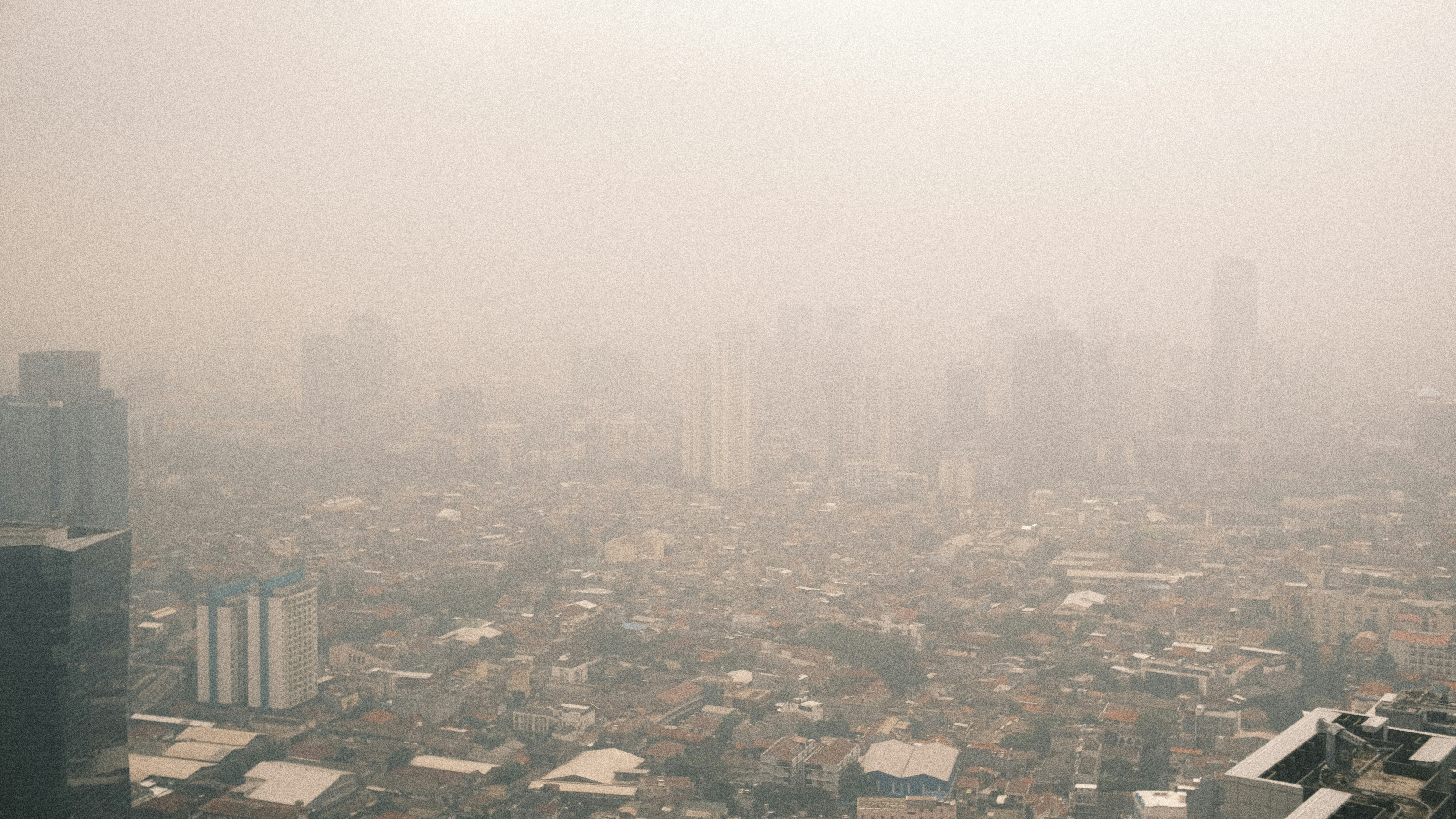
Urban environments intensify the climate change human health crisis, where rising temperatures, extreme weather, and pollution converge to threaten public well-being. Over half the global population resides in cities, facing amplified environmental health impacts like heatwaves and air pollution, which contribute to millions of premature deaths annually.
The Frontiers editorial underscores how climate change strains health systems through extended hospital stays for cardiopulmonary diseases and disrupted vaccine chains. Planetary health frameworks reveal earth system transgressions driving malnutrition and disease spread, particularly affecting vulnerable urban populations.
Environmental scientists grapple with tracking these climate change human health linkages, urban planners confront heat islands and infrastructure vulnerabilities, while public health advocates push for integrated responses amid nutrition gaps from climate-driven crop changes (MedicalXpress).
Air pollution from fossil fuels exacerbates respiratory issues, with urban areas bearing the brunt. The WHO’s urban health guide (WHO) calls for urban health strategies to foster resilience.
This blog explores One Health approach solutions, promising climate health co-benefits through pollution mitigation, sustainable planning, and cross-sector collaboration for thriving cities.
Key Impacts: Air Pollution, Heat, and Nutrition Gaps in Cities
Cities amplify climate change human health risks through air pollution, extreme heat, and nutrition gaps, as detailed in recent reports. Fossil fuel combustion drives PM2.5 and NO2 exposure, linked to 5 million premature deaths annually. The UN Thematic Report on Cities estimates phasing out coal and oil could prevent 1.2 million air pollution deaths by 2040, with up to 4.7 million if targeting black carbon and methane.
In Hong Kong, higher ambient temperatures extend hospital stays for cardiopulmonary patients (Frontiers), underscoring urban heat islands’ toll. European modeling shows 30% tree cover reducing summer temperatures by 0.4°C and averting 2,644 heat-related deaths yearly (UN Report).
Climate-driven nutrition gaps climate erode staple crop quality; elevated CO2 diminishes iron, zinc, and protein in wheat and rice, risking deficiencies amid floods and droughts disrupting supply chains.
These environmental health impacts reveal planetary health dynamics: earth system transgressions fuel urban vulnerabilities, with air pollution, heat, and poor nutrition compounding cardiopulmonary, mental, and chronic diseases. The Better Air Quality Conference stresses integrating super-pollutant mitigation for rapid climate health co-benefits.
Pollution Mitigation and Sustainability Solutions
Targeted pollution mitigation sustainability strategies offer climate health co-benefits, addressing climate change human health risks in cities.
Clean energy transitions: Shift to renewables and electrify transport/heating. The UN Report shows fossil fuel phase-out prevents 1.2 million premature deaths by 2040 via air pollution mitigation. Implement low-emission zones and vehicle standards for rapid impact.
Green infrastructure for urban resilience health: Boost tree cover to 30%, cool roofs, and parks. European models predict 0.4°C cooler summers, averting 2,644 heat deaths (UN). Promote active travel with bike lanes/public transit, cutting emissions and boosting activity (WHO guide).
One Health approach: Integrate health, environment, and sectors. Cambridge’s sustainable cities blueprint advocates compact designs with green corridors. Leverage AI for pollution monitoring (WEF), enhancing urban health strategies.
Plant-based diets and waste management: Shift procurement to reduce emissions/nutrition gaps; advance composting/recycling for methane cuts.
These steps foster sustainable cities health, yielding economic gains via fewer sick days and resilient systems. Cross-sector collaboration ensures equitable climate change human health outcomes under planetary health principles.
Sources
- https://www.frontiersin.org/journals/health-services/articles/10.3389/frhs.2025.1615206/full
- https://www.stockholmresilience.org/publications/publications/2025-11-29-planetary-health-focusing-on-the-intersection-of-human-health-and-the-earth-system.html
- https://sdgs.un.org/sites/default/files/2025-10/Thematic%20Report%20on%20Cities.pdf
- https://www.ccacoalition.org/news/better-air-quality-conference-2026-daily-update-12-march-2026
- https://medicalxpress.com/news/2026-01-health-experts-highlight-climate-driven.html
- https://unu.edu/ehs/article/5-things-watch-climate-and-environment-2026
- https://yaleclimateconnections.org/2026/01/where-things-stand-on-climate-change-in-2026/
- https://www.who.int/news/item/31-10-2025-who-calls-for-a-new-era-of-strategic-urban-health-action-with-global-guide-to-unlock-healthy-prosperous-and-resilient-societies
- https://www.jbs.cam.ac.uk/2025/sustainable-cities-blueprint-for-urban-climate-action/
- https://www.weforum.org/stories/2025/04/the-role-of-ai-in-reducing-urban-pollution/
