


Researchers have identified previously unknown DNA-binding proteins in some of the harshest places on Earth and demonstrated that the proteins can power rapid medical tests used to detect infectious diseases.
The international team was led by Durham University and included collaborators from Iceland, Norway and Poland. Scientists tested genetic material collected from a volcanic lake in Iceland and a deep-sea hydrothermal vent located more than two kilometers underground in the North Atlantic Ocean.
Natural genetic diversity of mines
Nature is one of the richest sources of useful enzymes, yet many remain undiscovered. To discover new candidates, the researchers used next-generation DNA sequencing to scan a large database containing millions of potential protein sequences.
By analyzing this vast amount of genetic information, the team identified a previously unknown protein that binds to single-stranded DNA. These proteins also showed an unusual ability to maintain stability under extreme conditions, including very high temperatures, extreme pH levels, and high-salinity environments.
Robust proteins with biotechnological potential
The newly identified proteins were examined in detail using a variety of experimental methods. Scientists have discovered that these molecules are extremely durable and have strong thermal stability, making them suitable for biotechnological and medical applications.
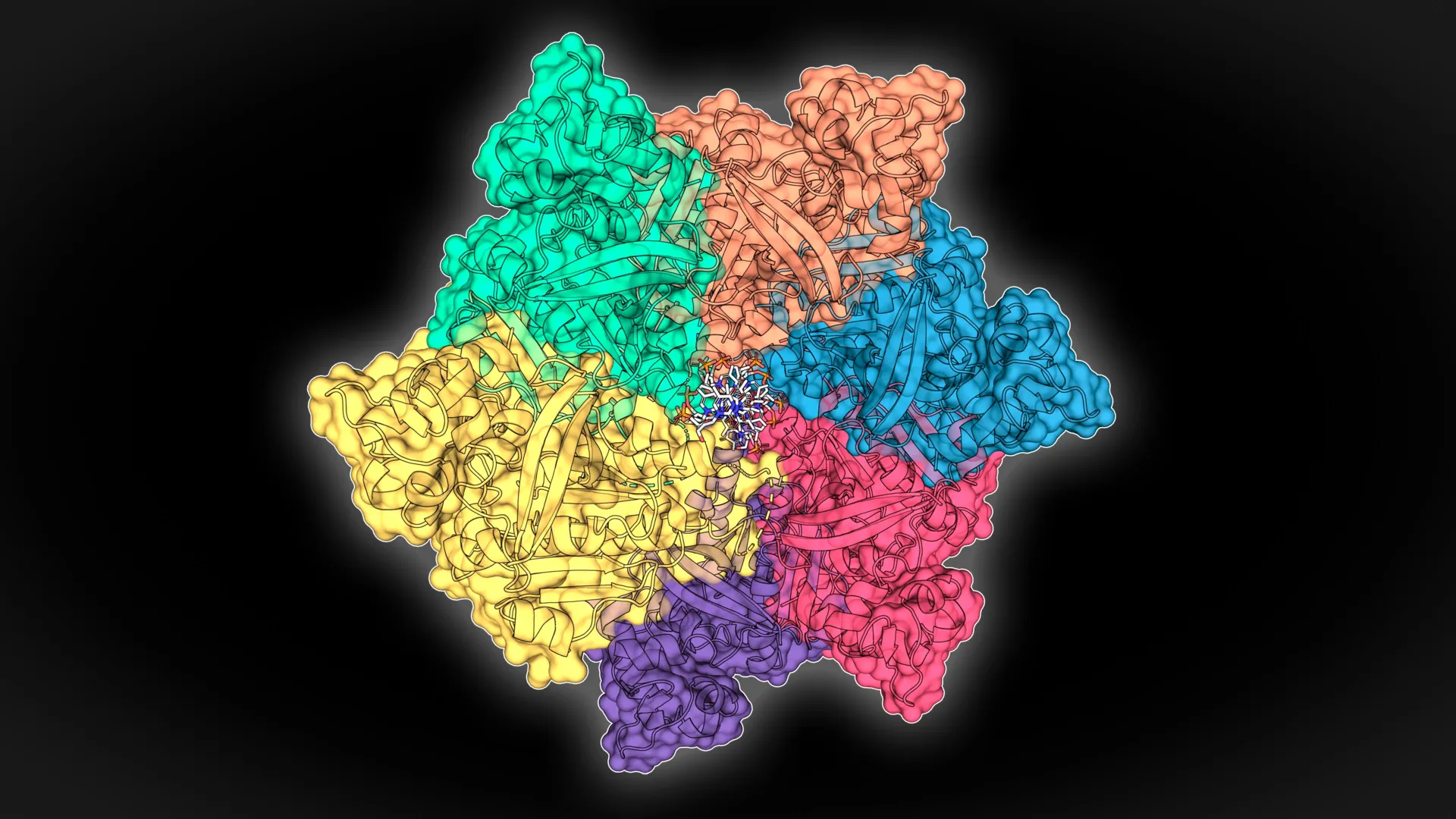
The researchers also determined the three-dimensional structure of the protein at high resolution. This structural information provides insight into how the molecule functions and opens the door to refining the molecule through protein design.
Improving rapid diagnostic tests
One newly discovered DNA-binding protein has been found to enhance diagnostic tests that use loop-mediated isothermal amplification (LAMP). These tests detect the genetic material of viruses, bacteria, or parasites without the need for complex laboratory equipment.
As new proteins were added, the LAMP test became faster and more sensitive. This improvement has increased the detection of viral RNA from pathogens such as SARS-CoV-2 and DNA from other infectious agents.
This result shows that extreme environments have the potential to be a source of valuable biological tools.
The study’s lead researcher, Professor Emke Paul from Durham University, said: “This study highlights the huge potential for bioprospecting from extreme habitats. The results are not only important for the bioeconomy, but also provide the basis for all artificial intelligence (AI) methods in protein structure prediction and protein design.”
Applications in biotechnology and AI-driven protein design
Biotechnology companies continue to search for enzymes that work reliably under harsh conditions. Proteins found in places like hot springs and deep-sea vents are particularly promising because they naturally function in harsh environments.
These findings may also contribute to broader research in protein prediction and design. Artificial intelligence systems that model protein structures benefit from large and diverse sets of real biological samples.
Search for more proteins and new diagnostic methods
Researchers continue to study additional DNA-binding proteins, and several promising candidates have already been identified. Scientists are also developing improved versions of the protein and designing new LAMP tests for neglected tropical diseases such as leishmaniasis and Chagas disease. The research is being carried out in collaboration with researchers from Durham University’s School of Biological Sciences.
The research team is also collaborating with Norwegian biotech company ArcticZymes to explore the potential for commercial use of the newly discovered protein.
