


Researchers at Nigeria’s Federal University of Technology, Owerri, have identified a promising strategy to reduce pollution from diesel engines without compromising their performance. By analyzing research from around the world, the team looked at a technology known as water-in-diesel emulsion (WiDE). Their findings suggest that adding small amounts of water to diesel fuel has the potential to significantly reduce harmful emissions while maintaining or even improving engine operating efficiency.
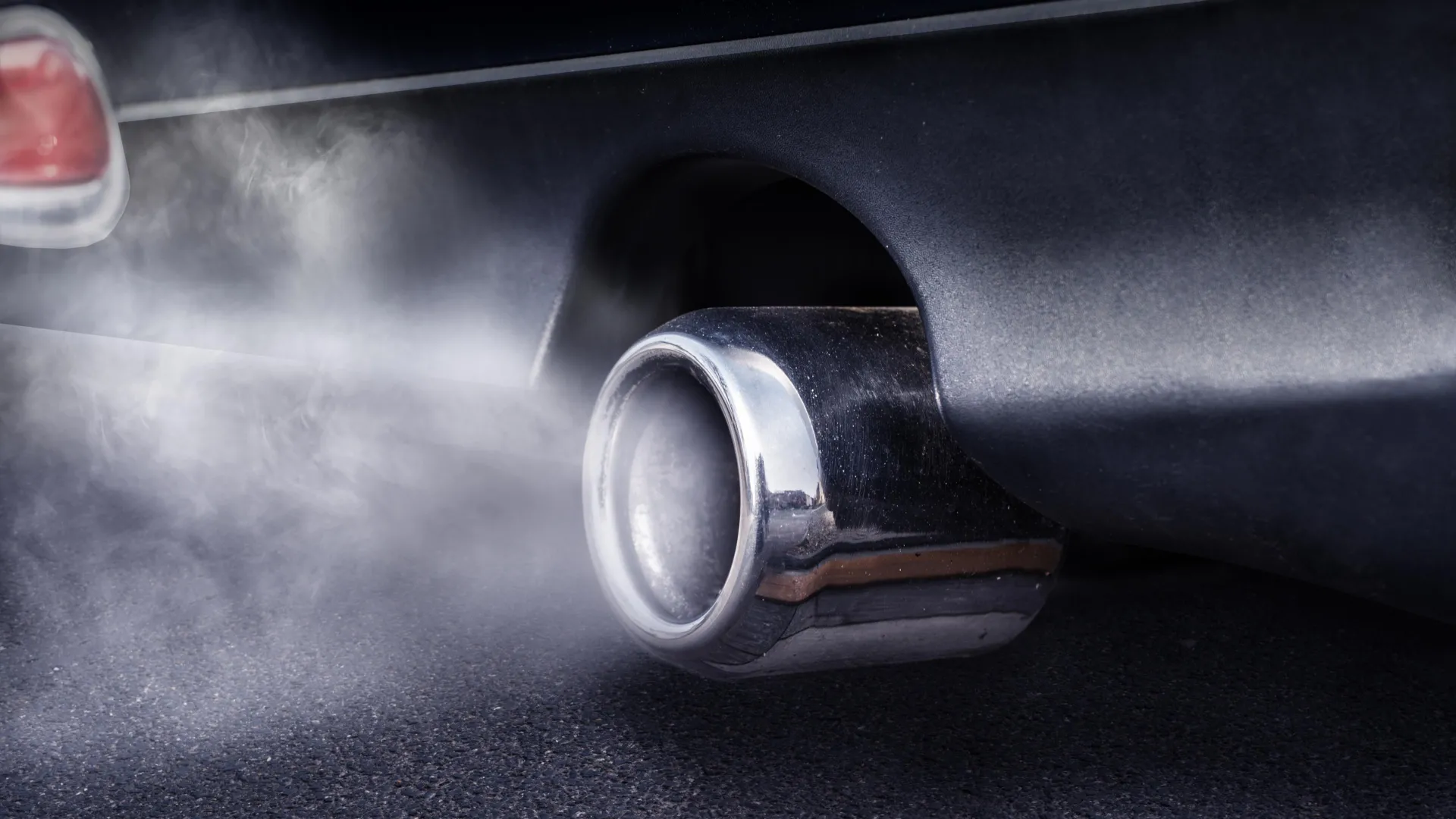
Diesel engines are reliable and can provide powerful power, which is why they play an important role in transportation, agriculture, and industrial equipment. At the same time, they are also a significant source of air pollution. Diesel exhaust contains nitrogen oxides and particulate matter, pollutants associated with smog, respiratory diseases, and climate impacts. Technologies such as catalytic converters and particulate filters can help reduce these emissions, but they also increase engine cost and complexity. Researchers suggest that WiDE could provide a simpler, cleaner option that works with existing diesel engines without the need for modification.
How water-in-diesel emulsion technology works
WiDE technology mixes very small water droplets into diesel fuel. Special chemicals called surfactants keep the water and diesel evenly mixed, allowing the emulsion to remain stable for up to 60 days.
When this fuel is burned in the engine, the water droplets quickly turn into steam. This rapid vaporization causes a phenomenon known as “microexplosion,” which helps break down the fuel into smaller particles. As a result, air and fuel are mixed more thoroughly during combustion. This improved mixing lowers peak combustion temperatures and reduces nitrogen oxide production. At the same time, more complete combustion of the fuel reduces soot and particulate emissions.
Significantly reduces diesel engine emissions
According to the studies reviewed in the analysis, engines running on WiDE can significantly reduce harmful pollutants. Compared to standard diesel fuel, nitrogen oxide emissions were reduced by up to 67% and particulate matter by up to 68%.
In addition to reducing pollution, improvements in brake thermal efficiency were reported in several experiments. This measure reflects how effectively the engine converts fuel into useful mechanical power. In other words, the engine not only produces cleaner exhaust gases, but also uses fuel more efficiently.
“Water-in-diesel emulsions are a practical and cost-effective way to make diesel engines cleaner,” said lead author Dr. Chukwuemeka Fortunatus Nnadozie. “Because this technology does not require engine redesign, it provides an immediate path to emissions reductions in developing and developed countries alike.”
Role of surfactants in fuel stability
The researchers also investigated the importance of surfactants, compounds that enable uniform mixing of water and diesel. Choosing the right surfactant and using the right concentration is essential to keep the emulsion stable. Stability is important because it impacts both fuel safety and performance.
Their review found that mixtures using multiple surfactants tend to give the best results. These formulations improved both the stability of the fuel mixture and the combustion quality inside the engine.
A potential bridge to cleaner energy
Although the results are promising, researchers say additional research is still needed. Future research should focus on improving surfactant combinations and evaluating the long-term effects of water-diesel emulsions on engine components.
The team also notes that WiDE has the potential to be used in conjunction with other clean technologies. Combining this fuel approach with biodiesel and advanced emissions control systems has the potential to support broader climate and air quality goals.
“This technology can bridge the gap between traditional diesel use and a cleaner energy future,” said co-author Professor Emeka Emmanuel Oguzie. “With the right formulation and testing, it has the potential to become an important part of sustainable transportation and industrial power systems.”
