


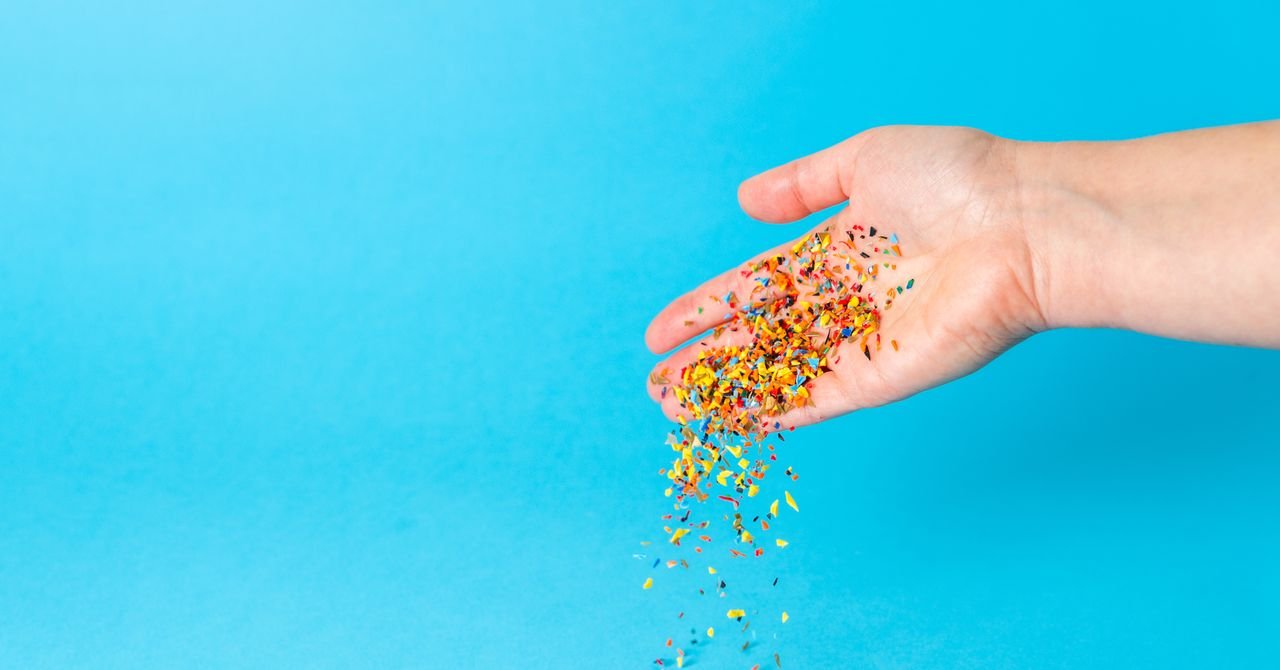
In recent years, microplastics have been detected in all parts of the human body, including blood, lungs, liver, testes, brain, placenta, and breast milk, raising concerns about the potential health damage caused by plastic pollution.
A 2019 study by Newcastle University found that humans may be ingesting up to 5 grams of microplastics per week. However, little is known about the detailed mechanisms by which plastic particles that enter the body affect health at the cellular level.
An international research team led by Memorial Sloan Kettering Cancer Center has identified specific metabolic pathways by which polystyrene microplastics (PS-MPs) interfere with immune cell function.
When the “cleaner” malfunctions
The human body has immune cells and macrophages, which play the role of “cleaners” that swallow and dispose of dead cells and pathogens. This process of uptake and digestion of dead cells is called efferocytosis and occurs continuously in the human body to maintain tissue homeostasis. When efferocytosis does not function properly, unprocessed dead cells accumulate in tissues and are known to cause chronic inflammation and autoimmune diseases.
When it comes to microplastics, macrophages and cleaner cells can engulf them. However, the particles do not have the enzymes to break them down, so they continue to accumulate inside cells.
In experiments in which mouse and human macrophages absorbed polystyrene microplastics, the researchers found that the ability of both types of macrophages, human and mouse, to engulf and digest dead cells was severely impaired.
This defect was observed not only in mouse bone marrow-derived macrophages, but also in human pluripotent stem cells, alveolar macrophages, which maintain lung immunity, and Sertoli cell-derived macrophages, which are responsible for processing dead sperm cells in the testes.
“We found that microplastics accumulate and interfere with the ability of cells to dispose of dead cells in multiple organs, including the lungs, liver, and testes. This may be contributing to the global increase in male infertility,” said Justin Perry of Memorial Sloan Kettering Cancer Center.
Decreased resistance to infection
These findings have the potential to be replicated not only in vitro but also in vivo through animal experiments. According to the researchers, when microplastics were injected into the lungs of mice through the trachea, dead epithelial cells were not properly disposed of and remained in the tissue.
Similarly, after oral administration, plastic particles accumulated in Kupffer cells, macrophages in the liver. A model of acetaminophen-induced liver cell damage also failed to remove dead cells, and blood levels of ALT and AST, indicators of liver dysfunction, increased significantly.
Particular attention should be paid to the effects on the testicles. In mice exposed orally to microplastics, plastic particles accumulated in Sertoli cells in the testes. Furthermore, in a 20-week chronic exposure experiment, sperm numbers in normally fertile male mice rapidly decreased, as did sperm number and motility.
