


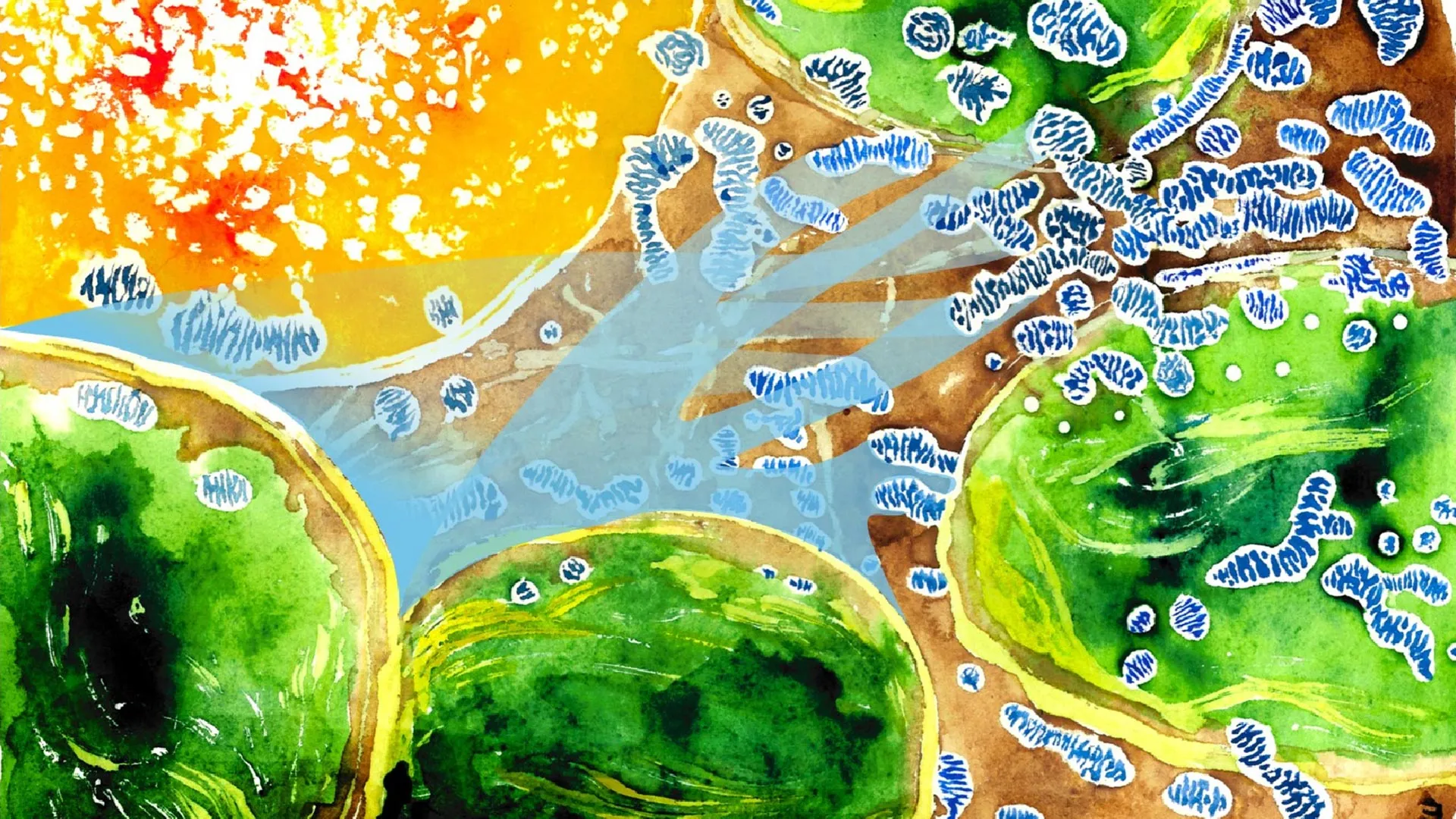
A research team from the University of Helsinki has discovered a previously unknown interaction within plant cells. This study shows that plant mitochondria can pull oxygen molecules away from chloroplasts. This newly identified process helps explain how plants control oxygen levels in their tissues and could improve scientists’ understanding of plant metabolism and how plants adapt to stressful conditions.
The study was led by Alexey Shapiguzov, PhD, PhD, from the university’s Tree Biology Center of Excellence on the Vikki Campus. The research results were published in a magazine plant physiology.
Oxygen plays an important role in plant life
Oxygen is essential for many processes in plants, including metabolism, growth, immune response, and the ability to adapt to stress. Previous research from the University of Helsinki has also shown that oxygen plays an important role in activating wound healing in plants. Despite its importance, scientists still do not fully understand how plants regulate oxygen levels in their tissues.
Inside plant cells, oxygen is primarily affected by two structures called organelles. Mitochondria use oxygen to generate energy during cellular respiration. In contrast, chloroplasts release oxygen as a byproduct of photosynthesis.
Although respiration and photosynthesis have been extensively studied, scientists know little about how oxygen is transferred between mitochondria and chloroplasts.
Research on mitochondrial activity in Arabidopsis
To investigate this question, researchers studied a genetically modified version of the model plant Arabidopsis thaliana. These plants had defects in mitochondria that activated alternative respiratory enzymes. As a result, mitochondria consume oxygen at a higher rate.
The modified plants exhibited two notable characteristics.
- Increased mitochondrial respiration decreased oxygen levels within plant tissues.
- Chloroplasts have become resistant to methyl viologen, a chemical that diverts electrons from photosystem I to oxygen and generates reactive oxygen species.
When the researchers exposed plants to nitrogen gas to create hypoxic conditions, the transfer of electrons to oxygen dropped sharply. This result suggested that methyl viologen no longer has enough of the substance it needs to function, namely oxygen.
Mitochondria can extract oxygen from chloroplasts
This experiment revealed previously unrecognized interactions within plant cells. When mitochondria increase oxygen consumption under stress, the amount of oxygen available within the chloroplasts can decrease.
This process effectively generates an internal oxygen drain that alters photosynthesis and metabolism of reactive oxygen species. Such changes may help plants adapt to changing environmental conditions.
“To our knowledge, this is the first evidence that mitochondria influence chloroplasts through intracellular oxygen exchange,” said Dr. Shapiguzov. This discovery provides new insights into how plants adjust their energy production and respond to stress.
New clues about stress and resilience in plants
Understanding how respiration and photosynthesis interact through oxygen exchange provides a clearer picture of energy metabolism in plants. It could also help scientists better predict how plants will respond to environmental changes such as day-night cycles and flooding.
The newly discovered interactions may also lead to improved ways to measure and image plant physiology. These tools could be useful in plant breeding and detecting stress in crops at an early stage.
