

Close Menu

    Subscribe to Updates

    Get the latest creative news from FooBar about art, design and business.

    What's Hot

    The Black Sea turns a vibrant turquoise color, photographed from space by NASA

    July 15, 2026

    A hidden electrical process in the inner ear allows humans to perceive very low sounds

    July 15, 2026

    Archaeologists discover Homer’s Iliad inside a 1,600-year-old Egyptian mummy

    July 15, 2026
    Facebook X (Twitter) Instagram
    Facebook X (Twitter) Instagram
    Health Magazine
    • Home
    • Environmental Health
    • Health Technology
    • Medical Research
    • Mental Health
    • Nutrition Science
    • Pharma
    • Public Health
    • Discover
      • Daily Health Tips
      • Financial Health & Stability
      • Holistic Health & Wellness
      • Mental Health
      • Nutrition & Dietary Trends
      • Professional & Personal Growth
    • Our Mission
    Health Magazine
    Home » News » This pet gecko could help scientists unravel the secrets of cancer
    Nutrition Science

    This pet gecko could help scientists unravel the secrets of cancer

    healthadminBy healthadminJuly 15, 2026No Comments4 Mins Read
    This pet gecko could help scientists unravel the secrets of cancer
    Share
    Facebook Twitter Reddit Telegram Pinterest Email


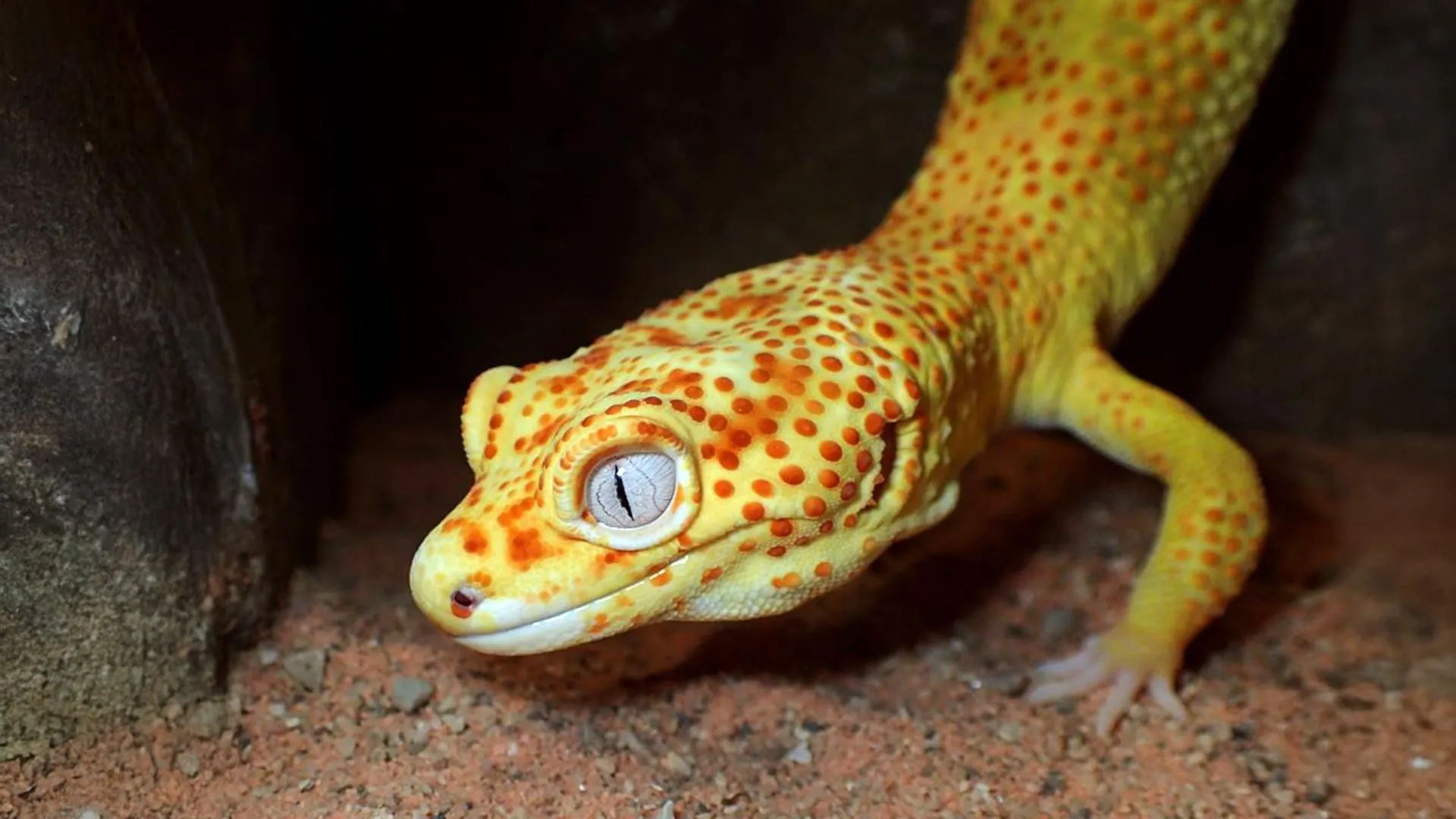
    Colorful pet geckos, which are unusually prone to developing cancer, could become an important new tool for researchers studying how tumors form and spread. Scientists say this naturally occurring cancer in animals could provide valuable insight into why some species are so vulnerable to the disease, while others are markedly resistant.

    The research was led by the University of Nottingham. BMC biologyidentified genetic changes associated with tumors in a special type of leopard gecko. Many of these changes involve the same genes and biological pathways associated with human cancer, raising the possibility that this reptile could help advance cancer research.

    Cancer risks vary widely among reptiles. Turtles rarely develop this disease, but about 80% of white and yellow leopard geckos, known in the pet industry as the “lemon frost” form, develop malignant tumors.

    The research was led by Dr Ylenia Chiari from the School of Life Sciences at the University of Nottingham.

    The international research team also included postdoctoral fellows Brandon Hastings (University of Nottingham), Dr. Scott Gloverman (University of Birmingham), Dr. Tony Gamble (Marquette University), Dr. Robert Ossiboff (University of Florida), and Dr. Virginia Gazziero and Dr. Giulio Caravagna (University of Trieste).

    Why lemon frost geckos develop cancer

    Dr. Chiari said, “By studying why some animals are highly susceptible to cancer and others markedly resistant, we hope to uncover the different ways species have evolved to cope with cancer. Specifically, because tumors naturally arise at a relatively early age, this gecko could be a great model for cancer research. Together, these natural strategies could inspire new ways to prevent, detect, and treat cancer in humans.”

    The lemon frost morph is derived from a naturally occurring genetic mutation that emerged during selective breeding in large colonies of leopard geckos. Its striking white and yellow coloring quickly attracted attention in the pet industry, but breeders soon noticed an unfortunate pattern. Many of these geckos developed malignant tumors, which often metastasized to other parts of the body.

    Unlike laboratory mice, where researchers have to artificially induce tumor growth, lemon frost geckos naturally develop cancer at a relatively young age. Because these tumors often metastasize, reptiles provide scientists with a rare opportunity to observe how cancers originate, evolve, and spread under natural conditions.

    DNA sequencing reveals common cancer genes

    To better understand the disease, researchers used whole-genome sequencing to compare tumor samples to healthy tissue taken from the same geckos. They identified a series of genetic changes that repeated throughout the tumor.

    Many of the altered genes and biological processes have already been linked to cancer in humans and other animals. The researchers say these similarities suggest that studying the lemon frost gecko may yield insights far beyond reptile biology.

    This finding also highlights the value of expanding the range of animal models used in medical research. Species that naturally develop cancer at high rates, such as the lemon frost gecko, may complement traditional laboratory models and provide new ways to investigate disease.

    Brandon Hastings, one of the study authors, said: “Overall, our paper demonstrates the importance of looking at the entire tree of life for the answers needed to better understand diseases that can have a significant impact on human life, such as cancer. Methodologically, it also highlights that different genomic software programs developed to analyze human cancer can be adapted to provide meaningful insights in a wide variety of organisms.”

    Biodiversity may hold future medical clues

    Dr Scott Gloverman, from the University of Birmingham, said the findings highlight the value of studying a wide range of species.

    “We often look inward to solve human problems, but every species has something to teach us. By studying both cancer-prone and cancer-resistant animals, we have a much greater ability to understand the disease itself. This is one of the many reasons why protecting biodiversity is so important.”


    Source link

    Visited 2 times, 2 visit(s) today
    Share. Facebook Twitter Pinterest LinkedIn Telegram Reddit Email
    Previous ArticleCongo Ebola hemorrhagic fever outbreak: More than 2,000 infected, more strikes among medical workers
    Next Article Archaeologists discover Homer’s Iliad inside a 1,600-year-old Egyptian mummy
    healthadmin

    Related Posts

    The Black Sea turns a vibrant turquoise color, photographed from space by NASA

    July 15, 2026

    Archaeologists discover Homer’s Iliad inside a 1,600-year-old Egyptian mummy

    July 15, 2026

    Are humans really the ultimate superpredators?

    July 15, 2026

    Astronomers have discovered four white dwarf stars hidden near Earth

    July 15, 2026

    NASA selects 41 space technologies for future Moon and Mars exploration

    July 15, 2026

    Scientists finally find out why some frogs survive deadly fungi

    July 15, 2026
    Add A Comment
    Leave A Reply Cancel Reply

    Categories

    • Daily Health Tips
    • Discover
    • Environmental Health
    • Exercise & Fitness
    • Featured
    • Featured Videos
    • Financial Health & Stability
    • Fitness
    • Fitness Updates
    • Health
    • Health Technology
    • Healthy Aging
    • Healthy Living
    • Holistic Healing
    • Holistic Health & Wellness
    • Medical Research
    • Medical Research & Insights
    • Mental Health
    • Mental Wellness
    • Natural Remedies
    • New Workouts
    • Nutrition
    • Nutrition & Dietary Trends
    • Nutrition & Superfoods
    • Nutrition Science
    • Pharma
    • Preventive Healthcare
    • Professional & Personal Growth
    • Public Health
    • Public Health & Awareness
    • Selected
    • Sleep & Recovery
    • Top Programs
    • Weight Management
    • Workouts
    Popular Posts
    • 1773313737_bacteria_-_Sebastian_Kaulitzki_46826fb7971649bfaca04a9b4cef3309-620x480.jpgHow Sino Biological ProPure™ redefines ultra-low… March 12, 2026
    • pexels-david-bartus-442116The food industry needs to act now to cut greenhouse… January 2, 2022
    • 1773729862_TagImage-3347-458389964760995353448-620x480.jpgDespite safety concerns, parents underestimate the… March 17, 2026
    • 1773209206_futuristic_techno_design_on_background_of_supercomputer_data_center_-_Image_-_Timofeev_Vladimir_M1_4.jpegMulti-agent AI systems outperform single models… March 11, 2026
    • 1774403998_image_28620e4b6b0047f7ab9154b41d739db1-620x480.jpgGait pattern helps distinguish between Lewy body… March 24, 2026
    • Leukemia-620x480.jpgBiomimetic platform powers CAR T therapy for… March 9, 2026

    Demo
    Stay In Touch
    • Facebook
    • Twitter
    • Pinterest
    • Instagram
    • YouTube
    • Vimeo
    Don't Miss

    The Black Sea turns a vibrant turquoise color, photographed from space by NASA

    By healthadminJuly 15, 2026

    The Black Sea lies between Europe and Asia, is connected to the Mediterranean Sea through…

    A hidden electrical process in the inner ear allows humans to perceive very low sounds

    July 15, 2026

    Archaeologists discover Homer’s Iliad inside a 1,600-year-old Egyptian mummy

    July 15, 2026

    This pet gecko could help scientists unravel the secrets of cancer

    July 15, 2026

    Subscribe to Updates

    Get the latest creative news from SmartMag about art & design.

    HealthxMagazine
    HealthxMagazine

    At HealthX Magazine, we are dedicated to empowering entrepreneurs, doctors, chiropractors, healthcare professionals, personal trainers, executives, thought leaders, and anyone striving for optimal health.

    Our Picks

    This pet gecko could help scientists unravel the secrets of cancer

    July 15, 2026

    Congo Ebola hemorrhagic fever outbreak: More than 2,000 infected, more strikes among medical workers

    July 15, 2026

    OpenAI’s Health AI Director: “Bet on model improvement”

    July 15, 2026
    New Comments
      Facebook X (Twitter) Instagram Pinterest
      • Home
      • Privacy Policy
      • Our Mission
      © 2026 ThemeSphere. Designed by ThemeSphere.

      Type above and press Enter to search. Press Esc to cancel.