

Close Menu

    Subscribe to Updates

    Get the latest creative news from FooBar about art, design and business.

    What's Hot

    This pet gecko could help scientists unravel the secrets of cancer

    July 15, 2026

    Neko Health raises $700 million with backing from tech investors and celebrities

    July 15, 2026

    Are humans really the ultimate superpredators?

    July 15, 2026
    Facebook X (Twitter) Instagram
    Facebook X (Twitter) Instagram
    Health Magazine
    • Home
    • Environmental Health
    • Health Technology
    • Medical Research
    • Mental Health
    • Nutrition Science
    • Pharma
    • Public Health
    • Discover
      • Daily Health Tips
      • Financial Health & Stability
      • Holistic Health & Wellness
      • Mental Health
      • Nutrition & Dietary Trends
      • Professional & Personal Growth
    • Our Mission
    Health Magazine
    Home » News » Are humans really the ultimate superpredators?
    Nutrition Science

    Are humans really the ultimate superpredators?

    healthadminBy healthadminJuly 15, 2026No Comments4 Mins Read
    Are humans really the ultimate superpredators?
    Share
    Facebook Twitter Reddit Telegram Pinterest Email


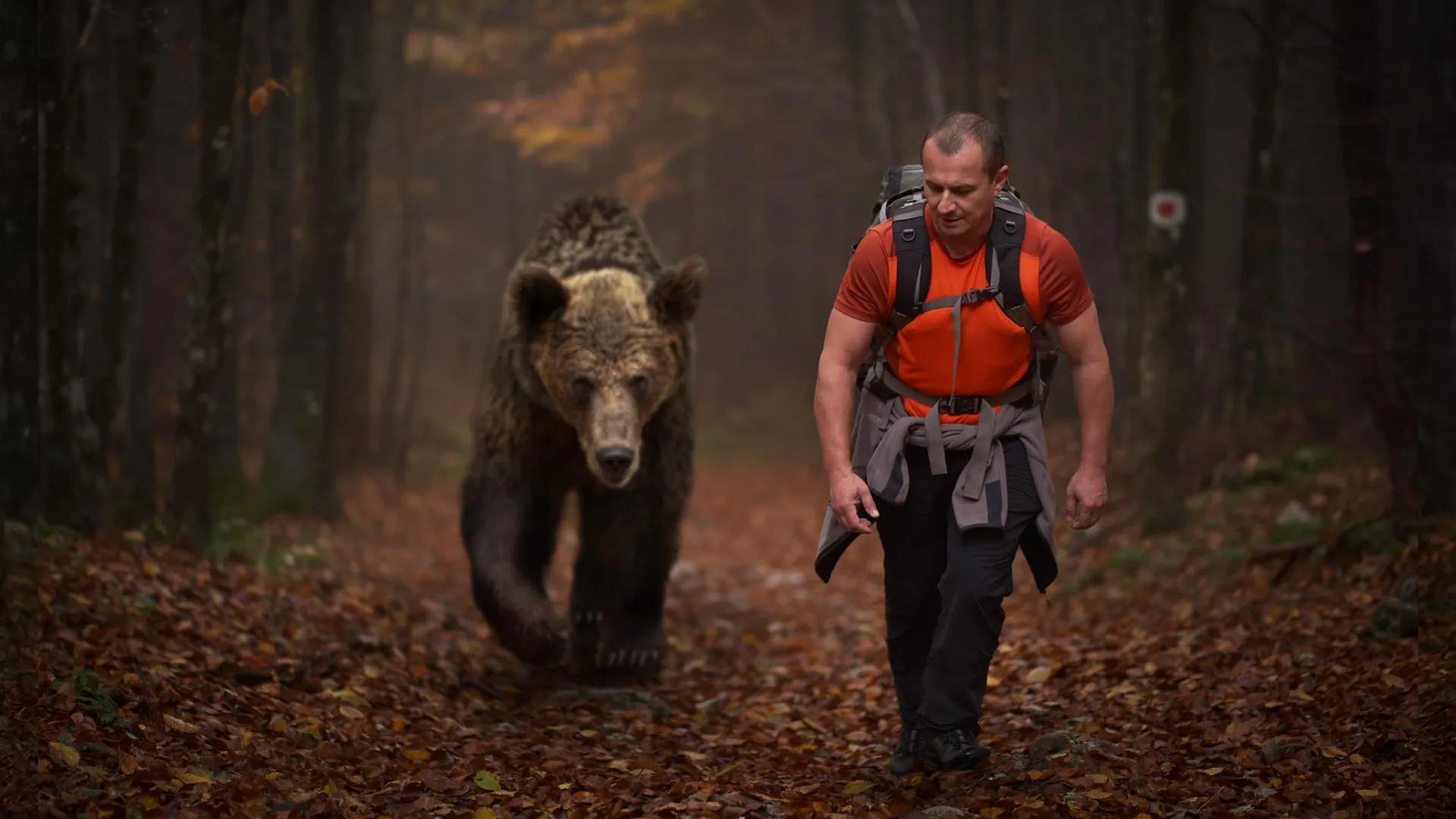
    Humans have earned a reputation as “superpredators” because we hunt, trap, and fish on a scale unmatched by other predators. These activities can reshape animal behavior across landscapes. But a new study led by the Indian Institute of Science Center for Ecological Sciences (IISc) suggests that wild animals do not respond the same way to all types of human presence.

    Animals consistently show fear when humans pose a direct lethal threat, such as when hunting or fishing. However, their reactions to non-lethal human activity are much less predictable.

    How wild animals respond to human threats

    The meta-analysis, published in Ecology Letters, summarizes 30 years of research examining how wild animals change their behavior around humans. The researchers compared changes in feeding, vigilance, and movement in many species and ecosystems to determine whether humans are consistently perceived as an extreme risk.

    “The short answer is, no, that’s not always the case,” says Sean D’Souza, a CES doctoral student and lead author of the study. “We found strong evidence that lethal humans, such as hunters and fishermen, are indeed perceived as a threat. Animals in areas exposed to lethal humans tend to be more alert and spend less time foraging. In contrast, their responses to non-lethal humans, such as tourists and researchers, are weaker and more erratic.”

    Roads and places of residence can feel safer

    One of the more unexpected findings was that human infrastructure, such as roads and settlements, can make animals less wary.

    “In some cases, these areas can serve as refuges,” D’Souza explains. “Predators often avoid humans, so areas near humans may feel safer for some prey species.”

    Co-author CES professor Maria Taker said another factor could be the open vegetation often found along roadsides. These cleared spaces provide attractive grazing areas for small animals. However, feeding near roads also puts them at risk of being hit by cars.

    The cost of remaining vigilant

    The researchers focused on foraging, vigilance, and locomotion because each behavior reflects the difficult choices animals make when assessing danger.

    All time spent scanning for threats is time spent baiting. Changes in movement can also affect how much energy an animal expends and whether it can reach food, shelter, and other vital resources. Because these behaviors influence survival and reproduction, they can reveal how fear of humans shapes wild animal populations over time.

    Animals adapt to the level of risk

    The findings generally support the ‘risk allocation hypothesis’, which proposes that animals change their behavior depending on how severe and predictable the threat is.

    D’Souza said animals tend to remain alert when danger is frequent and intense. When threats are limited or occur in a predictable manner, wild animals may be more willing to relax and resume normal activities.

    These decisions can also have an impact far beyond a single animal. Changes in feeding, locomotion, and fear can spread throughout ecosystems and affect grazing patterns, predator-prey relationships, and broader ecosystem stability.

    Possible impacts on wildlife conflicts

    Co-author CES professor Kartik Shanker said the behavioral effects of lethal human activities could have implications for the management of human-wildlife conflicts. Shankar said limiting culling could deter wildlife from entering human-controlled areas more effectively than some other approaches currently in use.

    Researchers say more research is needed to predict how different species will respond in different environments.

    “We need more predictive frameworks that link behavioral responses to ecological and evolutionary context, including incorporating species characteristics, past exposure to humans, predator communities, and landscape structure,” D’Souza says.

    He added that long-term experimental studies are essential to determine whether animals are simply getting used to human activity or are experiencing deeper evolutionary changes.


    Source link

    Visited 2 times, 2 visit(s) today
    Share. Facebook Twitter Pinterest LinkedIn Telegram Reddit Email
    Previous ArticleNew study investigates the psychological chain behind unconscious sexual thoughts
    Next Article Neko Health raises $700 million with backing from tech investors and celebrities
    healthadmin

    Related Posts

    This pet gecko could help scientists unravel the secrets of cancer

    July 15, 2026

    Astronomers have discovered four white dwarf stars hidden near Earth

    July 15, 2026

    NASA selects 41 space technologies for future Moon and Mars exploration

    July 15, 2026

    Scientists finally find out why some frogs survive deadly fungi

    July 15, 2026

    Going to museums, movies, and theaters may help keep your body young

    July 15, 2026

    Scientists discover why ancient campfires kept burning for generations

    July 15, 2026
    Add A Comment
    Leave A Reply Cancel Reply

    Categories

    • Daily Health Tips
    • Discover
    • Environmental Health
    • Exercise & Fitness
    • Featured
    • Featured Videos
    • Financial Health & Stability
    • Fitness
    • Fitness Updates
    • Health
    • Health Technology
    • Healthy Aging
    • Healthy Living
    • Holistic Healing
    • Holistic Health & Wellness
    • Medical Research
    • Medical Research & Insights
    • Mental Health
    • Mental Wellness
    • Natural Remedies
    • New Workouts
    • Nutrition
    • Nutrition & Dietary Trends
    • Nutrition & Superfoods
    • Nutrition Science
    • Pharma
    • Preventive Healthcare
    • Professional & Personal Growth
    • Public Health
    • Public Health & Awareness
    • Selected
    • Sleep & Recovery
    • Top Programs
    • Weight Management
    • Workouts
    Popular Posts
    • 1773313737_bacteria_-_Sebastian_Kaulitzki_46826fb7971649bfaca04a9b4cef3309-620x480.jpgHow Sino Biological ProPure™ redefines ultra-low… March 12, 2026
    • pexels-david-bartus-442116The food industry needs to act now to cut greenhouse… January 2, 2022
    • 1773729862_TagImage-3347-458389964760995353448-620x480.jpgDespite safety concerns, parents underestimate the… March 17, 2026
    • 1773209206_futuristic_techno_design_on_background_of_supercomputer_data_center_-_Image_-_Timofeev_Vladimir_M1_4.jpegMulti-agent AI systems outperform single models… March 11, 2026
    • 1774403998_image_28620e4b6b0047f7ab9154b41d739db1-620x480.jpgGait pattern helps distinguish between Lewy body… March 24, 2026
    • Leukemia-620x480.jpgBiomimetic platform powers CAR T therapy for… March 9, 2026

    Demo
    Stay In Touch
    • Facebook
    • Twitter
    • Pinterest
    • Instagram
    • YouTube
    • Vimeo
    Don't Miss

    This pet gecko could help scientists unravel the secrets of cancer

    By healthadminJuly 15, 2026

    Colorful pet geckos, which are unusually prone to developing cancer, could become an important new…

    Neko Health raises $700 million with backing from tech investors and celebrities

    July 15, 2026

    Are humans really the ultimate superpredators?

    July 15, 2026

    New study investigates the psychological chain behind unconscious sexual thoughts

    July 15, 2026

    Subscribe to Updates

    Get the latest creative news from SmartMag about art & design.

    HealthxMagazine
    HealthxMagazine

    At HealthX Magazine, we are dedicated to empowering entrepreneurs, doctors, chiropractors, healthcare professionals, personal trainers, executives, thought leaders, and anyone striving for optimal health.

    Our Picks

    New study investigates the psychological chain behind unconscious sexual thoughts

    July 15, 2026

    FDA CBER, Aftermath of ACA Subsidy, Cystoscodia: Morning Rounds

    July 15, 2026

    Study finds that watching short videos temporarily shuts down cognitive control networks

    July 15, 2026
    New Comments
      Facebook X (Twitter) Instagram Pinterest
      • Home
      • Privacy Policy
      • Our Mission
      © 2026 ThemeSphere. Designed by ThemeSphere.

      Type above and press Enter to search. Press Esc to cancel.