


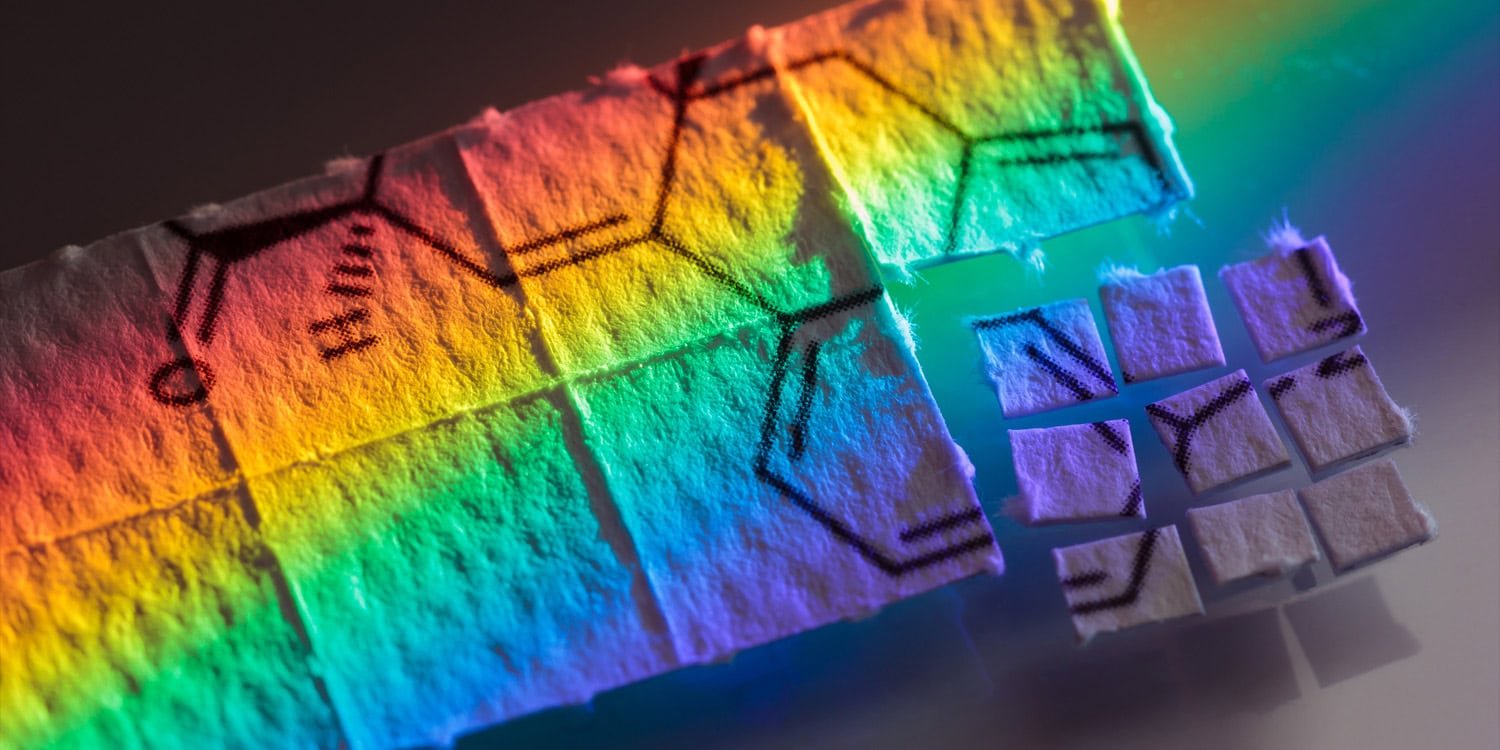
A recent small study analyzes how the hallucinogen LSD reshapes brain activity. The study shows that the substance promotes widespread neural synchronization while blurring the boundaries between sensory perception and abstract thinking. Through computer modeling and brain scans, researchers found that LSD can alter the balance of excitation and inhibition in certain brain circuits, potentially disengaging the mind from deep-seated patterns. The research results were published in PLOS Computational Biology.
Psychedelics are making a comeback in psychiatric research. Clinical trials suggest these substances may help treat conditions such as depression, anxiety, and addiction. Mental health disorders often involve rigid and stubborn thought patterns. Psychedelic compounds appear to cause the opposite effect, creating a temporary flexibility in brain activity.
To understand how drugs can dramatically alter human consciousness, scientists are looking at how different networks in the brain work. Even when a person is at rest, different areas of the brain are constantly communicating. The unique network processes everything from simple sensory inputs such as touch and vision to abstract cognitive tasks such as introspection and attention.
Healthy brain function relies on a delicate seesaw effect known as excitatory-inhibitory balance. Excitatory neurons act like biological accelerators, sending electrical signals that prompt other neurons to fire. Inhibitory neurons act like brakes, preventing overactivity and keeping the system organized.
Linyu Zhang, a researcher at Beijing University of Posts and Telecommunications, along with colleagues from several other institutions, wanted to map how this balance changes under the influence of LSD. Directly measuring precise chemical balances within the living human brain is extremely difficult with current non-invasive techniques. To circumvent this limitation, the research team turned to computational modeling combined with neuroimaging data.
The researchers utilized an existing dataset from a small study of 15 healthy adults. In the first experiment, participants underwent functional magnetic resonance imaging. This type of brain scan measures changes in blood flow over time, allowing researchers to detect which areas of the brain are highly active. Each person underwent two scans on separate days, one after an injection of a placebo and one after an intravenous dose of LSD.
Zhang and his team took this scan data and looked for patterns of synchronization. They wanted to see whether rhythmic waves of activity in different areas of the brain peaked and fell at exactly the same moment. Phase synchronization occurs when the rhythms of multiple regions align. The researchers grouped these synchronized moments together to categorize different brain states.
Under placebo conditions, the brain moved smoothly between different modular states. Some of these states were purely specialized in processing sensory information. Other states were strictly associated with the default mode network. The default mode network is a group of associated brain areas that deal with mind wandering, memory, and an individual’s sense of self.
When participants took LSD, their brain dynamics changed significantly. Researchers found that LSD increases synchrony throughout the brain. Rather than operating in isolated, independent networks, the entire brain is now much more likely to work together in a unified state.
This highly synchronized global state seemed to act like a magnet, pulling the brain away from its compartmentalized routines. The probability that the brain would revert from this unified state to specialized cognitive control networks was significantly reduced. Due to limited sample size, some differences in transition probabilities between minor states were not statistically significant. However, the overall trend towards increasing global synchrony remained significant.
To understand the mechanisms behind this change, the researchers built a dynamic computer simulation. They combined brain scan data with detailed maps of the human brain’s structural connections. This allowed the team to calculate the estimated ratio of excitation to inhibition in small neural circuits throughout the cerebral cortex.
Computer models revealed that LSD changes the chemical balance in the brain, and that the changes are uneven. This drug has a completely different effect on the areas that control basic sensations than it does on the areas that control abstract thinking.
In brain regions associated with sensory and motor processing, the model showed a sharp decline in excitatory-to-inhibitory ratios. Biological brakes have become stronger in these regions. This chemical change suppresses how persistently the brain fixates on external sensory input.
Conversely, the model estimated increased activation rates in associative brain areas. Removing the brakes on these abstract processing centers can cause neurons to become hyperactive. Researchers suggest that this neural remodeling promotes cognitive flexibility, allowing participants to experience intense introspection.
By suppressing the sensory realm and dialing up the abstract realm, LSD essentially levels the playing field between the two realms. The rigid boundaries that usually separate concrete and abstract cognition begin to dissolve. This physiological mechanism closely aligns with the subjective experiences often reported by psychedelic users, such as dissolving the sense of self and changing perceptions of the world.
The researchers also discovered that the sensory and motor cortices may act as the main drivers of these brain-wide changes. Inhibition of these early sensory pathways appears to occur in an upward cascade. This confusion travels up the brain hierarchy, dispersing the higher-order networks that normally provide order to human cognition.
Psychedelics are known to bind to a specific type of serotonin receptor in the brain known as the 5-HT2A receptor. This receptor can cause a chemical chain reaction that alters the release of glutamate, which acts as the brain’s main excitatory neurotransmitter. The researchers noted that the computer model’s map of excitation and inhibition changes closely overlapped with known anatomical maps of serotonin and glutamate receptors.
This theoretical overlap suggests that biological mechanisms are at work. LSD binds to serotonin receptors and then manipulates excitatory neurotransmitters at local points in the sensory cortex. This ripple effect ultimately changes the operating rhythms of the entire brain, forcing us to break out of stubborn habits.
The authors noted that the analysis has several limitations that should be noted. This original dataset came from a small study, so larger clinical trials will be needed to confirm the results. Expanding the participant pool helps ensure that the findings apply to a broader population.
The study focused solely on the cerebral cortex, the wrinkled outer layer of the brain. The computational model did not include deeper subcortical structures such as the thalamus. The thalamus acts as a major relay station for sensory information. Previous research suggests that this region plays an important role in the psychological effects of psychedelics, meaning future studies need to include this region to get a complete picture.
The study also did not match brain scan data with subjective psychological questionnaires from participants. The researchers noted that future research should investigate how these measured changes in brain connectivity correlate with a person’s specific emotional or perceptual experiences. Knowing exactly how loss of sensory fixation corresponds to an individual’s reported hallucinations would bring science one step closer to practical therapeutic applications.
The study, “Lysergic acid diethylamide-derived excitatory/inhibitory ratio changes enhance global synchrony in brain functional dynamics,” was authored by Lingyu Zhang, Weiyang Shi, Ziyang Zhao, Zhichao Wang, Congying Chu, Bokai Zhao, Jiaqi Zhang, Qianhui Liu, Yueheng Lan, and Tianzi Jiang.
