

Close Menu

    Subscribe to Updates

    Get the latest creative news from FooBar about art, design and business.

    What's Hot

    Why Health Tech Founders and Engineers Face Urgent Pressure in 2026

    August 26, 2026

    Navigating the Flood of 2025-2026 Clinical Trial Data

    August 24, 2026

    Navigating Rapid Advances in Medical Research: What Clinical Researchers Need to Know

    August 23, 2026
    Facebook X (Twitter) Instagram
    Facebook X (Twitter) Instagram
    Health Magazine
    • Home
    • Environmental Health
    • Health Technology
    • Medical Research
    • Mental Health
    • Nutrition Science
    • Pharma
    • Public Health
    • Discover
      • Daily Health Tips
      • Financial Health & Stability
      • Holistic Health & Wellness
      • Mental Health
      • Nutrition & Dietary Trends
      • Professional & Personal Growth
    • Our Mission
    Health Magazine
    Home » News » Study finds takeaway meals contain more salt than advertised
    Nutrition Science

    Study finds takeaway meals contain more salt than advertised

    healthadminBy healthadminJuly 7, 2026No Comments3 Mins Read
    Study finds takeaway meals contain more salt than advertised
    Share
    Facebook Twitter Reddit Telegram Pinterest Email


    New research suggests many of Britain’s most popular takeaway dishes contain more salt than commonly believed. In some cases, a single meal could significantly exceed the recommended daily limit, even though menu labels indicated otherwise.

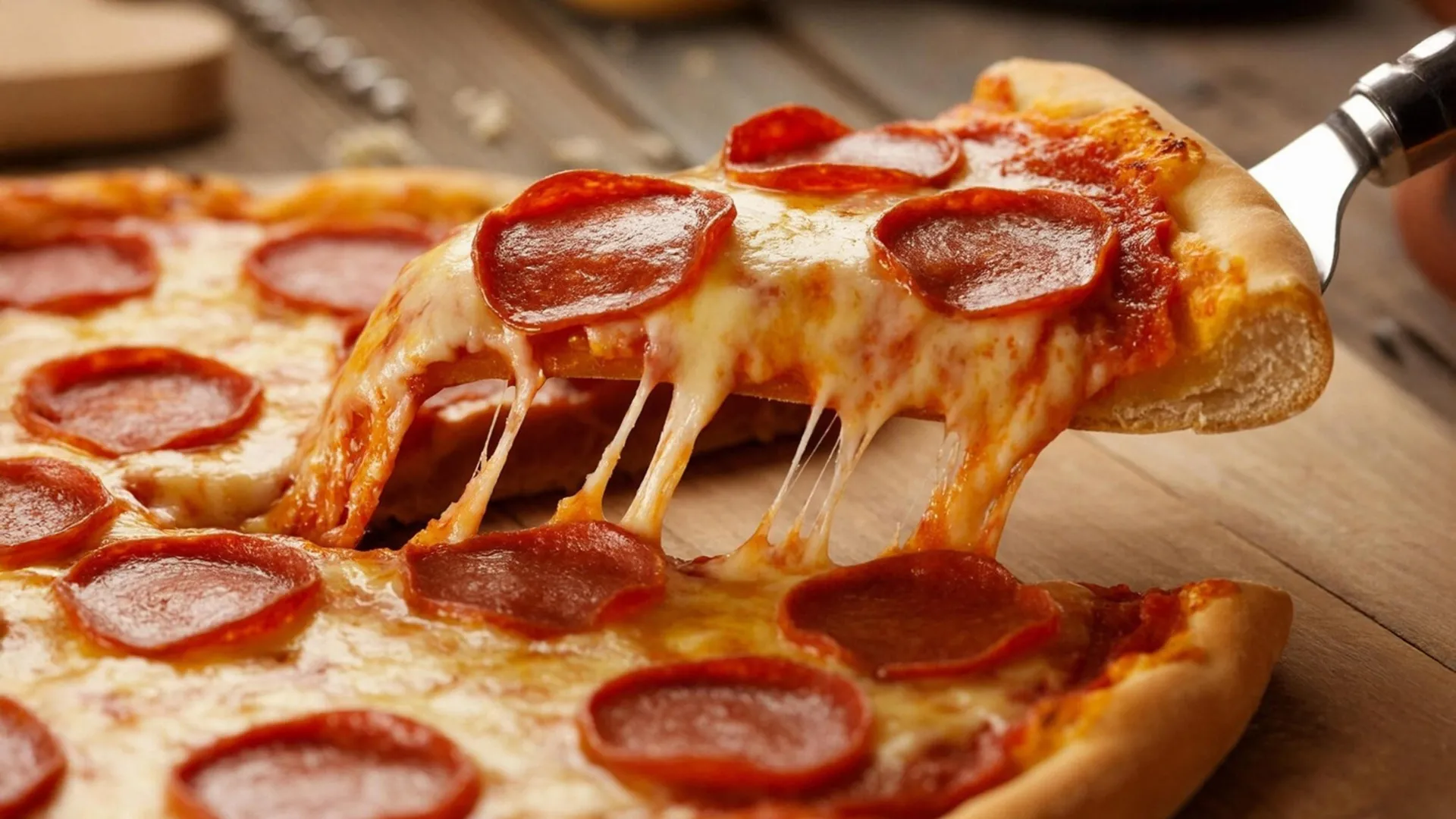
    Researchers found that 47% of the takeaway food they tested contained more salt than the stated value. Curry, pasta dishes and pizza were among the foods most likely to be higher in salt than advertised.

    Although not all restaurants list salt information on their menus, some meals purchased from independent restaurants in Reading contained more than 10g of salt per serving. By comparison, the recommended daily salt intake for UK adults is 6g.

    One unexpected finding was that traditional fish and chip shops served the lowest salt meals. Because salt is usually added after cooking and only when requested, these meals are generally lower in sodium than many other grab-and-go options.

    We investigated take-out salt labels.

    The study was carried out by researchers at the University of Reading and published in the journal. Pro Swaninvestigated how accurately restaurant menus report their salt content, and how much salt levels vary between similar dishes.

    Professor Gunter Kuhnle, from the University of Reading, who led the research, said: “We conducted this study because we suspected that many menu labels were inaccurate with regard to salt. It is very difficult for restaurants to provide accurate values ​​without measuring each meal. Food labels are often made up of guesswork, as cooking methods, ingredients used and portion sizes vary. It is virtually impossible to know exactly how much salt is added to your dinner.”

    “While food companies have lowered the salt content of commercially available foods in recent years, our research shows that eating out is often too salty. Menu labels should help people make better food choices, but almost half of the foods tested with salt labels contained more salt than declared. The public needs to be aware that menu labels are at best a guide, not an accurate measurement.”

    Which takeout food had the most salt?

    To conduct the study, the team purchased 39 takeout meals from 23 restaurants in Reading, including national restaurant chains and independent takeout businesses.

    Research findings include:

    • Meat pizza had the highest salt concentration at 1.6g per 100g.
    • Pasta dishes have the highest sodium content per serving, averaging 7.2g, which is more than the daily recommended intake in a single meal. One plate of pasta contained 11.2g of salt.
    • Curry dishes had the widest range of salt content, varying from 2.3g to 9.4g per serving.
    • Chips from fish and chip shops had the lowest sodium content, at just 0.2g per serving. This is because salt is generally added after cooking and only on request. By comparison, chips from other takeaways averaged 1g per serving.

    The World Health Organization estimates that excessive salt intake is linked to 1.8 million deaths worldwide each year.


    Source link

    Visited 18 times, 1 visit(s) today
    Share. Facebook Twitter Pinterest LinkedIn Telegram Reddit Email
    Previous ArticlePresident Trump tried to appease MAHA’s anger over Roundup. That backfired.
    Next Article East Asian countries embrace contradiction and change to lead the world
    healthadmin

    Related Posts

    Why 2025 Dietary Guidelines Miss the Mark on Metabolic Health

    August 16, 2026

    The Core Problem with 2025-2030 DGAs for Clinical Practice

    August 11, 2026

    Addressing Challenges in Applying 2025-2030 Dietary Guidelines for Metabolic Health

    August 3, 2026

    This 4,000-year-old city defied the rules of history

    July 30, 2026

    Rice Bran Compounds May Relieve Irritable Bowel Symptoms

    July 30, 2026

    What would happen if the brain did not generate consciousness?

    July 30, 2026
    Add A Comment

    Comments are closed.

    Categories

    • Daily Health Tips
    • Discover
    • Environmental Health
    • Exercise & Fitness
    • Featured
    • Featured Videos
    • Financial Health & Stability
    • Fitness
    • Fitness Updates
    • Health
    • Health Technology
    • Healthy Aging
    • Healthy Living
    • Holistic Healing
    • Holistic Health & Wellness
    • Medical Research
    • Medical Research & Insights
    • Mental Health
    • Mental Wellness
    • Natural Remedies
    • New Workouts
    • Nutrition
    • Nutrition & Dietary Trends
    • Nutrition & Superfoods
    • Nutrition Science
    • Pharma
    • Preventive Healthcare
    • Professional & Personal Growth
    • Public Health
    • Public Health & Awareness
    • Selected
    • Sleep & Recovery
    • Top Programs
    • Weight Management
    • Workouts
    Popular Posts
    • 1773313737_bacteria_-_Sebastian_Kaulitzki_46826fb7971649bfaca04a9b4cef3309-620x480.jpgHow Sino Biological ProPure™ redefines ultra-low… March 12, 2026
    • pexels-david-bartus-442116The food industry needs to act now to cut greenhouse… January 2, 2022
    • 1773729862_TagImage-3347-458389964760995353448-620x480.jpgDespite safety concerns, parents underestimate the… March 17, 2026
    • 1774403998_image_28620e4b6b0047f7ab9154b41d739db1-620x480.jpgGait pattern helps distinguish between Lewy body… March 24, 2026
    • 1773209206_futuristic_techno_design_on_background_of_supercomputer_data_center_-_Image_-_Timofeev_Vladimir_M1_4.jpegMulti-agent AI systems outperform single models… March 11, 2026
    • Leukemia-620x480.jpgBiomimetic platform powers CAR T therapy for… March 9, 2026

    Demo
    Stay In Touch
    • Facebook
    • Twitter
    • Pinterest
    • Instagram
    • YouTube
    • Vimeo
    Don't Miss

    Why Health Tech Founders and Engineers Face Urgent Pressure in 2026

    By healthadminAugust 26, 2026

    Explore high-impact innovations in telemedicine, wearables, and AI diagnostics addressing cost, staffing, and compliance challenges in health technology 2026.

    Navigating the Flood of 2025-2026 Clinical Trial Data

    August 24, 2026

    Navigating Rapid Advances in Medical Research: What Clinical Researchers Need to Know

    August 23, 2026

    Overcoming Access Barriers to Evidence-Based Psychiatric Treatments

    August 22, 2026

    Subscribe to Updates

    Get the latest creative news from SmartMag about art & design.

    HealthxMagazine
    HealthxMagazine

    At HealthX Magazine, we are dedicated to empowering entrepreneurs, doctors, chiropractors, healthcare professionals, personal trainers, executives, thought leaders, and anyone striving for optimal health.

    Our Picks

    Overcoming Access Barriers to Evidence-Based Psychiatric Treatments

    August 22, 2026

    Overcoming Volatility and Funding Risks in Modern Clinical Research

    August 21, 2026

    Why Traditional Clinical Trial Methods Are Failing Researchers in 2026

    August 20, 2026
    New Comments
      Facebook X (Twitter) Instagram Pinterest
      • Home
      • Privacy Policy
      • Our Mission
      © 2026 ThemeSphere. Designed by ThemeSphere.

      Type above and press Enter to search. Press Esc to cancel.