


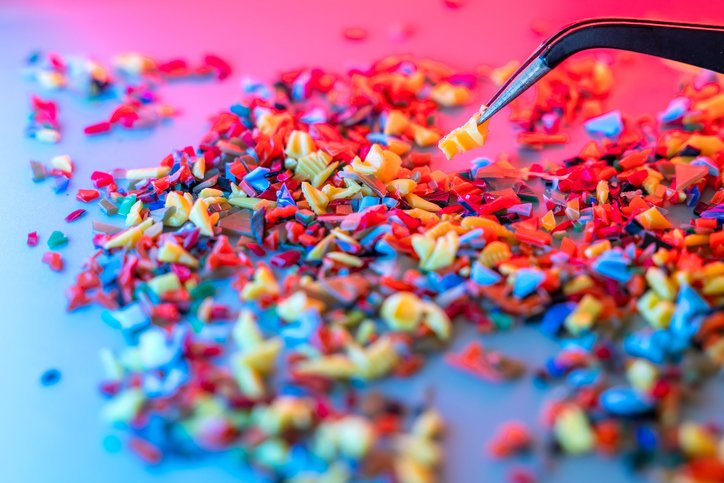
For generations, environmental justice among Black Americans has been measured by asthma rates, cancer diagnoses, and poisoned drinking water. Scientists now say other effects may be at play. Chemicals and tiny plastics that are ubiquitous in everyday life may be having a negative impact on black men’s fertility.
Researchers have found that black men tend to have higher levels of endocrine-disrupting chemicals, which mimic or block hormones, because consumer products and certain foods contain endocrine-disrupting chemicals. In addition to contributing to lower birth rates, researchers have linked these chemicals, along with microplastics, to other health problems disproportionately affecting black men, including prostate cancer and cardiovascular disease.
But in the United States, research on environmental exposures and men’s reproductive health has focused almost exclusively on white men. This is despite the fact that black men are more likely to live in areas with higher concentrations of facilities that emit microplastics, toxic chemicals, and other pollutants that researchers have found to affect testicular health and sperm production rates.
Reverend Lennox Yearwood, president and CEO of the Hip Hop Caucus, says the issue of microplastics and similar health threats is a modern-day civil rights issue for Black communities. Evidence that pollution is affecting men’s reproductive health should be a call to arms, he says.
“The plastic epidemic is not a ‘right’ or ‘left’ issue. It is a ‘you’ issue, a ‘me’ issue, and it is very clearly a global issue,” Yearwood said. “In fact, plastics are taking over the planet, but they don’t discriminate.”
“As Black men, we have enough to fight for when it comes to our health, and we don’t have to worry about plastics and toxic chemicals getting into our bodies,” Yearwood told Word in Black.
global issues
A staggering 450 million tons of plastic are produced around the world every year. Almost a quarter of it is then released into the environment, where it breaks down very slowly into tiny pieces. Although these particles may be buried in landfills or released into the atmosphere, science has confirmed that they do not remain outside of the body.
The issue is especially important because so many black neighborhoods are “fenceline communities,” or places where industrial facilities such as manufacturing plants, airports, and military bases are built.
Black Americans are 75% more likely than white Americans to live next to industrial facilities that create noise and odor, increase traffic, and emit exhaust gases that directly impact the population. In addition to microplastic particles, these facilities also emit chemical additives that leach from the plastic and are directly linked to hormonal disruption and reduced male fertility.
A 2023 peer-reviewed Harvard University study published in the journal Environment Science & Technology found that areas with higher proportions of Black and Latino residents are significantly more likely to be exposed to dangerous levels of PFAS, so-called forever chemicals, in water.
RELATED: Hip-hop activists: Plastics are the new civil rights movement
These chemicals find their way into drinking water, hitting Black communities the hardest.
Research has discovered the presence of microplastics in human testicular tissue and symptoms associated with reduced sperm count. Black men have higher rates of prostate cancer and cardiovascular disease. Microplastics and endocrine disruptors have been shown to worsen these conditions.
Black men have also been found to have elevated levels of endocrine-disrupting chemicals found in consumer products and certain foods. Endocrine disrupting chemicals mimic or block hormones. However, in U.S. studies on environmental exposures and men’s reproductive health, more than 80% of study participants are white, and only 2% to 10% are Black Americans.
chemical disruptor
Another landmark 2023 study published in the journal Toxicological Sciences found that microplastics are present in human testicular tissue and are associated with decreased sperm count. These chemicals act as endocrine disruptors that interfere with or reduce sperm quality and lower testosterone.
And in 2014, a study found the presence of microplastics in heart arteries. Black men die from cardiovascular disease at a rate 38% higher than men in the overall population.
Dr. Robert Bullard, widely known as one of the fathers of the environmental justice movement, has been documenting this disparity for decades. Bullard’s books, including his 1990 book “Dumping Dixie,” established that industrial facilities and the disposal of toxic waste in black communities were intentional policy decisions, not accidents. While white communities experience a “pollution advantage” compared to communities of color, no community should be allowed to become…a “sacrifice zone” or a dumping ground. ”
Yearwood’s organization has been fighting for climate and environmental justice for 20 years. But there is still work to be done.
“We have seen the effects of pollution in places like Cancer Alley. Families suffer, communities are destroyed, and the effects last for generations,” Yearwood added. “Protecting our health means standing up to industries that pollute our air and water and understanding that environmental justice is a matter of survival. We cannot be poisoned from the inside out and pour it into our families and communities.”
reduce exposure
The good news is that there are steps individuals can take to reduce their microplastic load.
1. Choose tap water over bottled water. A study cited by NRDC found that people who drink bottled water ingest significantly more microplastics per year than those who drink tap water. People who consume drinks packaged in plastic also have higher levels of microplastics in their stool. If possible, use filtered tap water. Using reverse osmosis or activated carbon filters will further reduce particles.
2. Do not heat food in plastic in the microwave. Scientists have confirmed that heating food in plastic packaging or containers releases plastic particles and chemicals into the food. Transfer food to glass or ceramic before heating in the microwave.
3. Replace plastic kitchen utensils. Plastic cutting boards, bowls, blenders, electric kettles, and sponges all introduce microplastics into your food. Alternatives include stainless steel, glass, ceramic, bamboo, and stoneware. Bamboo cutting boards, in particular, have been proven not to transfer microplastics to food.
4. Choose clothing and furniture made from natural fibers. Synthetic fabrics continually shed plastic microfibers during wear, especially during washing. Indoor dust in spaces dominated by synthetic carpets and upholstery contains higher concentrations of microplastics. Cotton, linen, silk, wool, bamboo, etc. are recommended. Natural fiber products are often contaminated with synthetic fibers, so check the label carefully.
5. Replace nonstick cookware. Nonstick pans coated with PTFE (Teflon) release millions of microplastics and nanoplastics during cooking. Notably, these particles are also PFAS, or toxic “permanent chemicals.” NRDC recommends switching to stainless steel, cast iron, or ceramic cookware.
sauce: National Resources Defense Council
(4:12pm)
Source link
