


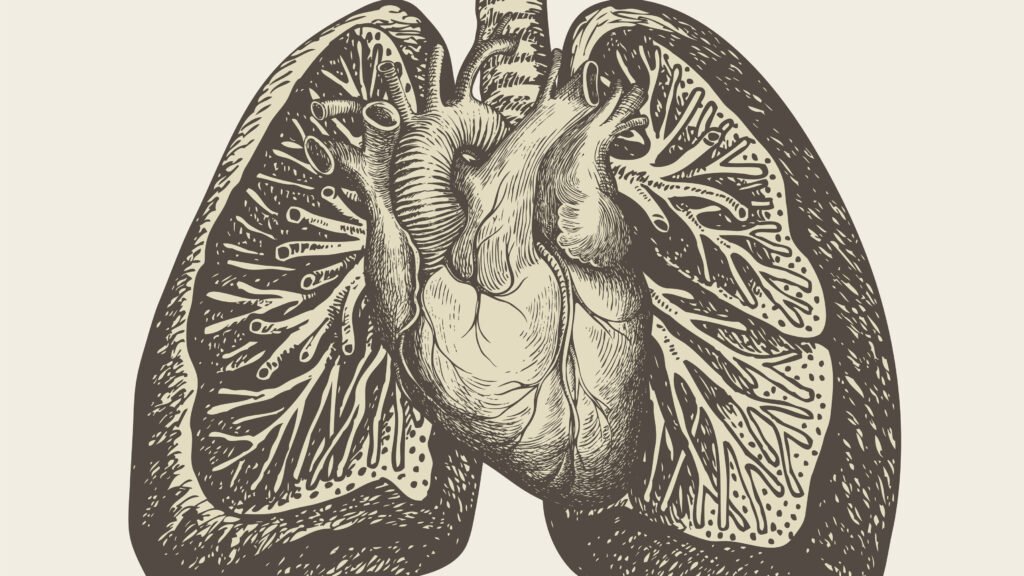
On Tuesday, STAT reported on a mysterious patient with obesity, sleep apnea and pulmonary hypertension who was given an obesity drug that has not yet been approved by federal drug regulators. The identity of the 79-year-old man who became eligible for Eli Lilly’s investigational drug retatortide under the Compassionate Use Program (usually offered only to terminally ill patients) in April remains unknown.
However, this report increased interest in pulmonary hypertension. Given the unusual circumstances of the application, STAT asked the White House whether the patient was President Trump. Spokespeople were initially reluctant, but after the announcement, they said the drug was not intended for the president.
STAT asked medical experts to explain what pulmonary hypertension is and whether they think the latest class of obesity drugs are effective. There are no easy answers because “pulmonary hypertension” is an umbrella term that encompasses very different conditions with different causes and treatments, the researchers said.
“Pulmonary hypertension is nothing but increased blood pressure in the blood vessels of the lungs,” Paul Forfia, director of Emory Healthcare’s Pulmonary Hypertension, Right Heart Failure, and CTEPH Program, told STAT. “Depending on the type of pulmonary hypertension, it can be very serious, life-threatening and life-altering, or it can be nothing at all.”
Background on GLP-1: This class of obesity drugs, originally developed for the treatment of type 2 diabetes, has benefits not only for weight loss but also for cardiovascular disease, metabolic disease, and adjacent sleep apnea and kidney disorders. So it’s reasonable to think that they might also have an effect on pulmonary hypertension, a type of high blood pressure found in the blood vessels of the lungs.


STAT Plus: Democrats press White House on who gets special access to Eli Lilly’s new obesity drug
“GLP-1 can reduce inflammation and stress in the heart caused by obesity and metabolic syndrome, so we think it has the potential to be helpful in pulmonary hypertension of all causes, but is particularly well-studied in patients with pulmonary hypertension due to heart failure with preserved ejection fraction,” Valerie McLaughlin, director of the Pulmonary Hypertension Program at the University of Michigan, told STAT.
In heart failure with preserved ejection fraction (abbreviated as HFpEF), the heart pumps normally but is too stiff to fill properly. GLP-1 has been shown to reduce the risk of complications and improve symptoms in patients with this type of heart failure.
Research on pulmonary hypertension and GLP-1 is not advanced enough to draw firm conclusions, but some research is ongoing, McLaughlin and colleagues said.
A September 2025 preprint (not peer-reviewed) by a Vanderbilt University team published on medRxiv found an association between GLP-1 use and a lower risk of pulmonary hypertension in a large retrospective study of U.S. veterans with type 2 diabetes. A May 2025 review published in American Heart Journal Plus: Cardiology Research and Practice called for prospective clinical trials to confirm such an association.
What is clear is that obesity exacerbates the problem.
“No matter what level of pulmonary hypertension you have, when you add in the issue of obesity, especially if you’re morbidly obese, the patient’s symptoms become even worse,” Dr. Forfia said. “When a person becomes obese enough, they literally can’t breathe properly, get oxygen into the bloodstream, and get carbon dioxide out of the bloodstream.”
What is pulmonary hypertension?
Pulmonary hypertension is high blood pressure in the lungs. Progressive disease can occur before, during, or after heart failure, or following a variety of conditions, including congenital heart disease, autoimmune diseases such as connective tissue diseases, coronary artery disease, high blood pressure, liver disease (cirrhosis), blood clots in the lungs, and chronic lung diseases such as emphysema.
High blood pressure in the lungs makes it harder for the heart to pump blood to the lungs. Heart failure may occur, which means reduced pumping power throughout the rest of the body.
What is Symptoms?
The most common symptoms may not seem dramatic at first: shortness of breath, lightheadedness, fatigue, or chest pain after exercise. If the disease progresses, you may faint or show signs of heart failure. When the right ventricle of the heart malfunctions, blood may flow backward into the legs or abdomen, with symptoms of fluid overload and right heart failure.

STAT Plus: Eli Lilly gave a 79-year-old patient access to an amazing obesity drug. Who was it?
How common is it?
Pulmonary hypertension affects approximately 1% of the world’s population, or approximately 82 million people. It is more common in women, non-Hispanic black people, and people over 75 years of age. There are five different types, some more rare than others.
- Group 1 is pulmonary arterial hypertension, a rare and serious type that occurs when blood vessels in the lungs become narrowed and hardened. Patients may be women in their 30s with autoimmune diseases such as lupus, or people of any age who have been exposed to toxins such as methamphetamine and, in the past, the 1990s appetite suppressant fenphen, which was later withdrawn after links to heart disease.
- Group 2 is the most common, affecting approximately 60% of patients. Either the heart does not compress or relax properly, or there is a problem with the valve on the left side of the heart, which causes blood to pool and increase pressure in the lungs.
- Group 3 comes from chronic lung diseases such as emphysema and COPD.
- Group 4 arises from chronic blood clots in the lungs.
- Group 5 encompasses all other underlying medical causes, from sickle cell anemia to thyroid disease to chronic kidney failure.
What kind of treatments are effective?
Group 4 chronic blood clots in the lungs can be treated with surgery, catheter-based options, and drug therapy, followed by lifelong use of blood thinners. “This is probably the only form of pulmonary hypertension that can be treated,” says Emory’s Forfia. “Removing chronic blood clots from the lungs may lead to a complete resolution of pulmonary hypertension.”
Over the past 25 years, 17 drugs have been developed for group 1 pulmonary arterial hypertension that can relieve symptoms and extend lifespan.
For other groups, drugs that treat the underlying cause may be the answer. Michigan’s Dr. McLaughlin noted that the 79-year-old in question who received letaltortide had three potentially interrelated factors: sleep apnea, obesity, and pulmonary hypertension.
Extreme sleep apnea combined with obesity can make it impossible to breathe normally. The airflow obstruction causes oxygen levels to drop rapidly, which irritates and compresses the pulmonary arteries. This can lead to pulmonary hypertension through a syndrome called obese hypoventilation.
Regarding obese hypoventilation syndrome, Dr. McLaughlin said, “We don’t know the details of the case, but there are so many things that can cause pulmonary hypertension that pulmonary hypertension may be part of the underlying cause.”
Are GLP-1 drugs effective?

Intensive blood pressure lowering leads to lower dementia risk
it depends. Roxana Surika, director of the Pulmonary Hypertension Program at New York University Langone Health, said she would like to change the name pulmonary hypertension to distinguish between group 1, which is arterial disease, and group 2, which is much larger and involves cardiometabolic disease.
“All of these weight loss drugs may be great for people with health issues that plague everyone as we age, such as obesity, diabetes, and sleep apnea,” she says. “They will directly benefit from treating the root of all evil.”
Fofia recalled telling him how she felt when patients taking GLP-1 lost a lot of weight. They say you can walk farther and faster with less effort.
“That makes sense, right? Because the metabolic cost is lower if you move your body when you’re lighter,” he said. “But this is more than just a subjective improvement. We see fluid retention and heart failure in the lab resolve and reverse. We often see a dramatic reduction in the amount of diuretics, drugs that help drain excess fluid, that patients require.”
McLaughlin said he believes there is scientific evidence that GLP-1 could help address the underlying mechanisms behind pulmonary hypertension.
“Many metabolic syndromes, such as obesity, heart failure with preserved ejection fraction, and sleep apnea, often occur together,” she says. “I think these drugs have a variety of effects in addition to weight loss and reducing inflammation.”
STAT’s chronic health coverage is supported by a grant from. bloomberg philanthropy. our financial supporter It has no role in any of our journalism decisions.
