


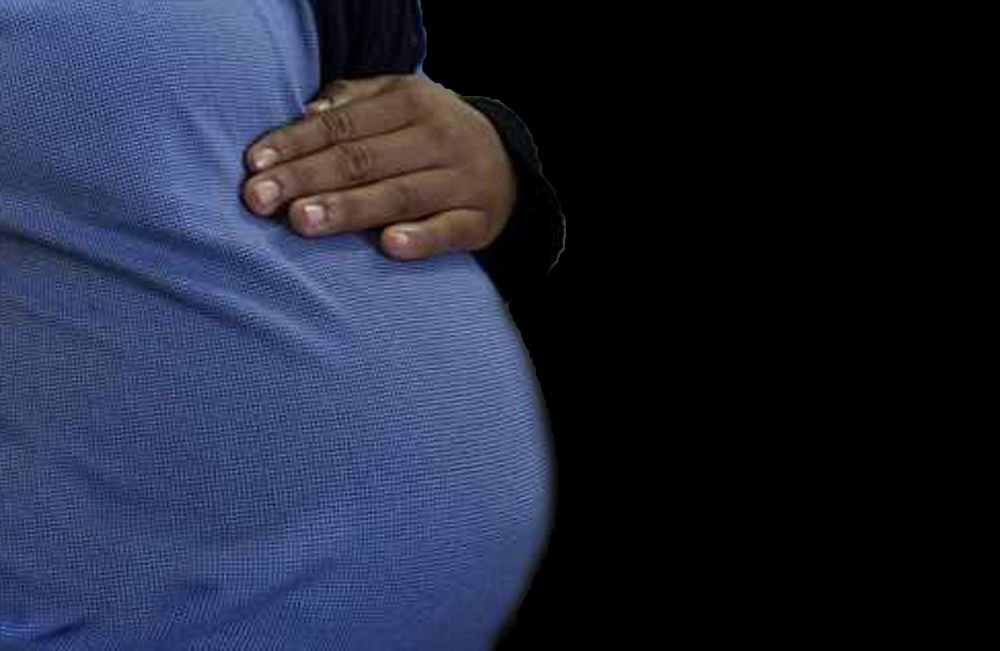
Pregnant women exposed to indoor air pollution and tobacco smoke are putting their babies at serious risk of premature birth, dangerously low birth weight and acute breathing difficulties, a groundbreaking new study has found.
Groundbreaking research conducted by pediatricians at the University of Cape Town (UCT) reveals The devastating effects of poor home air quality newborn. Analyzing data on 1,143 births in the Drakenstein Child Health Study, one of Africa’s largest birth cohorts, scientists found that 17% of infants were born prematurely, 15% suffered from low birth weight and 7% experienced breathing difficulties shortly after birth.
Importantly, the study demonstrated that infants exposed to high levels of coarse particulate matter while in the womb were almost twice as likely to suffer from respiratory distress, while elevated carbon monoxide levels made newborns more than twice as likely to suffocate at birth. moreover,Maternal active smoking was directly associated with: Birth weight decreases significantly In newborns.
The findings, published in the journal BMJ Open Respiratory Research, were obtained in suburban South African cities, where household air pollution remains tragically prevalent despite widespread grid electrification. In an alarming contradiction, while 93 percent of households surveyed have access to electricity, deep-rooted socio-economic factors force many to continue relying on cheap fossil fuels for daily cooking and heating.
As a result, nearly half of all properties in the country recorded levels of particulate matter and benzene (a highly toxic volatile organic compound) far exceeding acceptable ambient safety standards.
The study also found that tobacco use is prevalent among pregnant women. Almost one-third, or 32 percent, of the monitored pregnant women were active smokers, while a further 45 percent were confirmed to be passive smokers who had been exposed to second-hand smoke, objectively proven by a biochemical urine cotinine test.
Lead researcher Professor Aneesa Vankar, from UCT’s School of Paediatrics and Child Health, warned that the findings underpin the urgent need to reduce environmental risks during pregnancy. She explained that pregnancy is a critical period of development, noting that the very air a mother breathes has a significant impact on a child’s health right from the moment it comes into the world.
Professor Vanker said toxic airborne pollutants are particularly insidious because they can easily cross the protective barrier of the placenta and directly interfere with fetal development well before birth, inhibiting lung growth.
Unlike previous studies that relied on unreliable self-reported data from participants, Professor Vanker and colleagues Dr Kirsty Britten, Dr Whitney Barnett and Professor Heather Zar carefully measured multiple household pollutants directly inside families’ homes, capturing precise levels of nitrogen dioxide, sulfur dioxide, carbon monoxide and volatile organic compounds.
This conclusive data highlights the urgent need for proactive public health interventions and policy changes aimed at truly expanding access to clean energy. Experts are now calling for a well-funded prenatal campaign to educate families about the dangers of smoking and household pollution, arguing that preventing exposure to these toxic substances before and during pregnancy represents an important opportunity to protect children from the start of life from lifelong respiratory disease.
