


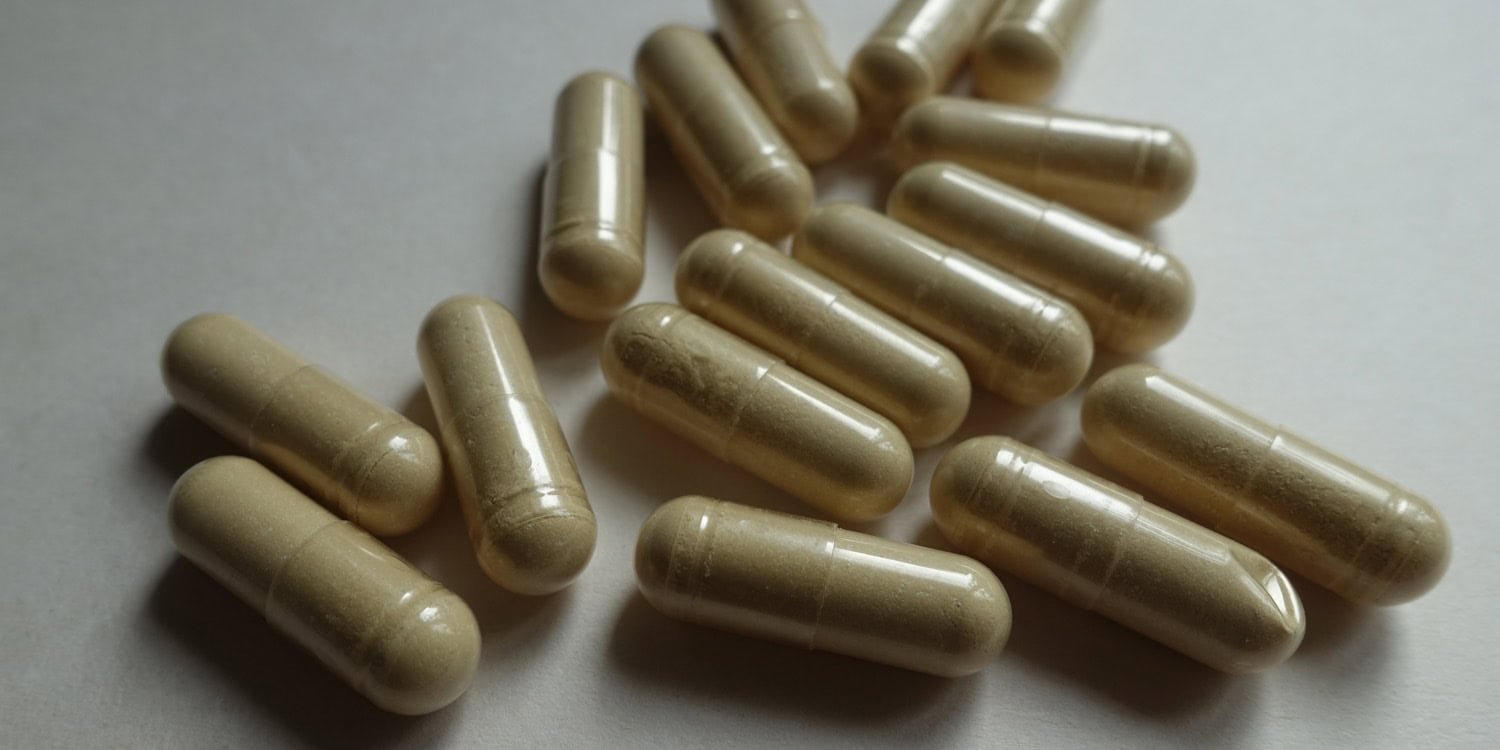
Patients with Alzheimer’s disease who took the common supplement glucosamine were 25% more likely to die within five years than those who did not. This is the key finding of a new study that my colleagues and I published in the journal Nature Metabolism.
Glucosamine is a sugar molecule sold over the counter as a treatment for joint pain and arthritis. More than 40 million Americans take this program each year.
We found that glucosamine also affects people in the early stages of memory loss, called mild cognitive impairment. People in this early stage of dementia who took glucosamine were 25% more likely to progress to full-blown Alzheimer’s disease.
Analysis of Alzheimer’s disease patients was based on deidentified medical records from the University of Florida Health System. They compared 24,000 people with dementia and 41,000 people with mild cognitive impairment who took glucosamine with those who did not.
Next, to identify the potential mechanisms behind how glucosamine affects the brain, they conducted experiments on mice that had been engineered to develop Alzheimer’s disease-like symptoms. It has been found that inhibiting enzymes that produce sugars such as glucosamine improves dementia symptoms in mice. In contrast, giving the same mice glucosamine worsened memory loss. No effect was seen in healthy mice given the same supplement.
why is it important
The Food and Drug Administration classifies glucosamine as a dietary supplement, not a prescription drug. As a result, anyone can now purchase it over the counter without visiting a doctor.
Glucosamine is an amino sugar. These molecules, made of glucose and an amino acid called glutamine, are used by the body to build new cells. Glucosamine deficiency is not recognized because glucosamine is not considered an essential nutrient. However, people are taking this supplement based on anecdotal reports that it improves the health of their joints, especially their knees.
For more than a decade, my team at the University of Florida and I have been studying how the brains of people with Alzheimer’s disease use and process sugar, and what goes wrong with that chemistry.
A little-known problem associated with Alzheimer’s disease is that brain cells and proteins accumulate excess glycocalyx. Brain cells and proteins typically have short chains of sugars called N-glycans on their surfaces. These sugars guide the newly created protein into its three-dimensional shape and help it bind to other proteins that work together.
But in Alzheimer’s patients, those chains pile up in places where they don’t belong. The underlying proteins stop working, leading to memory loss and cell death. This condition is called hyperglycosylation.
Considering that approximately 7.2 million Americans over the age of 65 have Alzheimer’s disease, it is estimated that many also take glucosamine for joint health. We hypothesized that this sugar amine might contribute to cognitive decline.
Previous studies have linked glucosamine supplements to a reduced risk of dementia in cognitively healthy adults. Our findings do not contradict these reports and justify them. Although glucosamine appears to be safe and potentially protective for a healthy brain, it may be harmful to brains that have already experienced cognitive decline.
What is not known yet
Because our study is based on patient records rather than controlled human trials, we cannot show that glucosamine accelerates cognitive decline, only that there is an association.
Answering this question will require studies in which glucosamine is randomly given to some patients and not to others. However, if glucosamine could increase the risk of dementia, it would be unethical to administer glucosamine to patients.
Additionally, it is not yet known whether glucosamine’s apparent harm to the brains of people with memory problems depends on the dose, supplement brand, or time of intake. We also don’t know whether this finding applies to other forms of dementia.
what’s next
One way to test whether glucosamine directly causes cognitive decline is through clinical trials in patients who take glucosamine and then stop taking it. Approximately 8% of dementia patients in our database fall into that category. We want to follow them for several years to see if stopping the supplements slows their cognitive decline.
We are also screening compounds that block N-glycan molecules and reduce the accumulation of sugar on brain cells to see if this can slow or reverse Alzheimer’s disease.
Finally, we plan to investigate whether other supplements that are broken down in the body in a similar way to glucosamine pose a similar risk to brains experiencing cognitive decline.

This article is republished from The Conversation under a Creative Commons license. Read the original article.
