


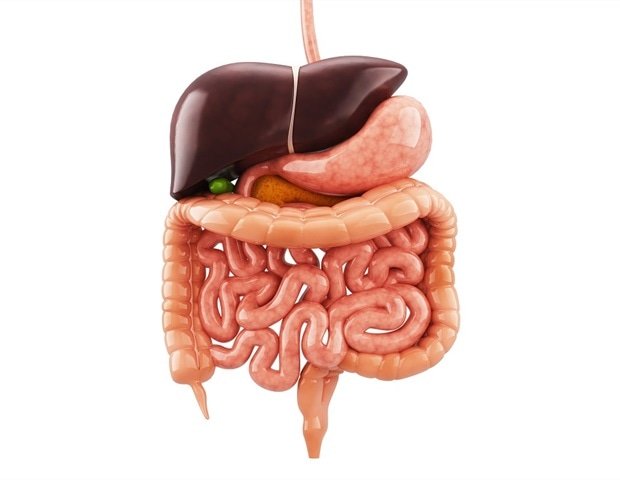
A signaling system known as the Wnt pathway plays a central role in how cells in the intestine grow, divide, and reproduce. Decades of research have shown that disruption of this pathway is a defining feature of many intestinal cancers. especially, APC Genes that normally act as brakes to interfere with Wnt signaling are widely recognized as important initiating events in colorectal tumors.
Small bowel cancer follows a similar sequence of development, but is a rare disease accounting for only 3% of all gastrointestinal cancers. Interestingly, on the other hand, APC Mutations are found in approximately 90% of small intestinal adenomas (benign) but less than 30% of small intestinal adenocarcinomas (malignant). This contradiction has long raised an important question: What else is driving tumorigenesis and cancer progression in these cases?
In a recent study, a research team led by Professor Shigeki Sekine and Professor Toshiro Sato of the Keio University School of Medicine set out to address this knowledge gap. A paper co-authored by Associate Professor Masayuki Fujii and Assistant Professor Naoko Abe of the same institute is scheduled to be published in a magazine in December 2018. natural genetics This study identified recurrent mutations in genes not previously known to be associated with cancer as an alternative factor in small bowel tumorigenesis.
The research team began by examining a series of morphologically distinct small intestinal adenomas from three patients. These adenomas were not flat but raised, with branched glands and unusual structural features. Researchers sequenced the protein-coding regions of the genomes of these tumors and found that copa. This gene encodes a component of the coatomer complex, which is involved in the transport of proteins between the Golgi apparatus and the endoplasmic reticulum.
To test this finding, the team screened a broader cohort of small intestinal adenoma and adenocarcinoma cases and identified similar cases. copa Mutations can be seen in some of them. Of note, none of these cases contained the mutation. APC or other known Wnt pathway genes; copa Mutations represent truly independent pathways to tumorigenesis. ”This was a shocking new discovery as scientists have been hunting down cancer-causing genes.” says Dr. Fujii.
To understand these functional implications copa If they found a mutation, the team grew small intestine organoids (3D miniaturized, simplified versions of lab-grown organs) from patient-derived tumor tissue and used separate gene-editing tools to introduce the same. copa Mutations into healthy small intestine organoids. Both approaches converged to the same result. copa The mutation activates the Wnt pathway in a way that circumvents the normal requirement for R-spondin and noggin, two key proteins that act as essential amplifiers of Wnt signaling.
This study has important implications for how small intestinal tumors are classified and diagnosed. Compared to colon cancer, the different subtypes of small intestinal adenomas have been difficult to classify, due in part to their rarity. ”The findings could inform catalogs such as the WHO classification of gastrointestinal tumors, which is widely used by doctors to identify the type of tumor a patient has.” explains Dr. Fujii.
Additionally, this finding helps explain the previously unresolved gap between high frequencies. APC Mutations in small intestinal adenomas and their relative deficiency in adenocarcinomas suggest that multiple atypical biological pathways drive malignant transformation of these tissues. copaRepresenting one of them – tumor formation. Researchers are looking forward to further research. copa Mutations may help develop new diagnostic and therapeutic strategies for bowel cancer in disease-free patients. APC Mutations may improve outcomes in this difficult disease.
sauce:
Keio University Global Research Institute
Reference magazines:
Fujii, M. others. (2026). Recurrent COPA mutations promote R-spondin-independent Wnt activation in intestinal tumors. natural genetics. DOI: 10.1038/s41588-026-02616-9. https://www.nature.com/articles/s41588-026-02616-9
