


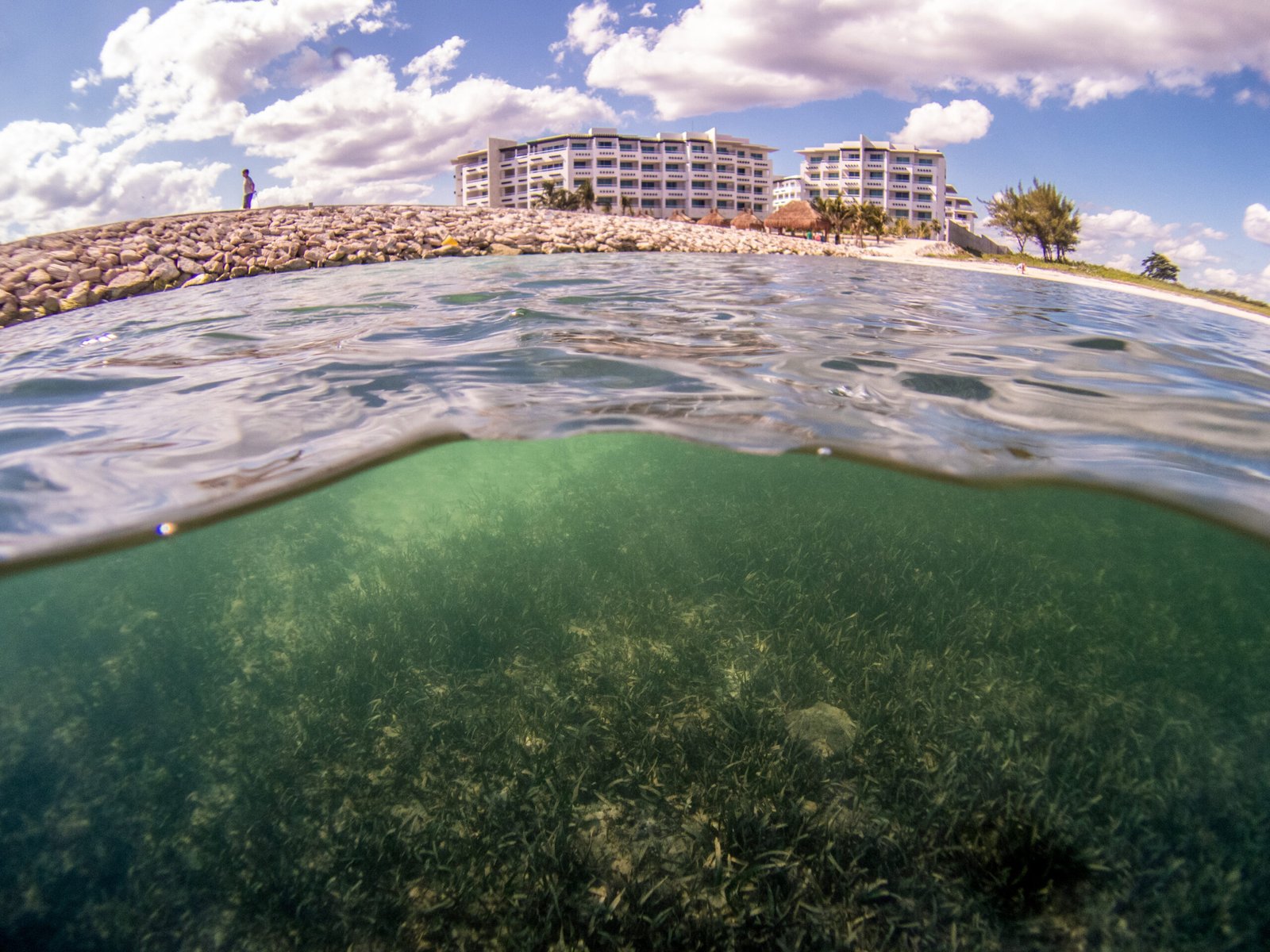
A recurring theme in the analysis is the proliferation of so-called “paper parks” – protected areas that appear in government statistics but offer little meaningful protection on the ground. The report says this is partly due to conservation tools that are developed without community involvement and then not actually implemented.
“Development cannot continue to be defined solely by top-down policies,” Tantanawit said. “Around the world, coastal communities are already showing the will and leadership to drive development and conservation in their own ways. Without meaningful participation, 30×30 risks becoming just a number on paper.”
The pressure along Senegal’s coastline is considerable. Fishing communities are increasingly under stress due to industrial overfishing, fishmeal and fish oil production, offshore oil and gas expansion, and pollution.
“Senegalese coastal communities are facing an unprecedented crisis caused by industrial overfishing, fishmeal and fish oil production, environmental pollution, and the expansion of offshore oil and gas, all of which threaten marine ecosystems, food security, and traditional livelihoods,” said Greenpeace Africa activist Mamadou Kali Ba. “However, across our coastline, communities are proving that sustainable, community-led marine conservation works when local people are empowered and included in decision-making. Ensuring a just and sustainable future for Senegal’s oceans and coastal communities urgently requires stronger protection of small-scale fisheries, greater recognition of community rights, and the phasing out of fishmeal and fish oil production.”
In Sri Lanka, the community of Mannar is facing a series of environmental pressures, including a shipping accident that released more than 1,600 tonnes of plastic into surrounding waters. Their response had concrete legal consequences.
“From severe environmental degradation and external development pressures to a recent catastrophic shipping accident that dumped more than 1,600 tonnes of plastic into South Asian waters, Mannar communities have endured a continuous ecological onslaught,” said Anita Perera, Greenpeace South Asia campaigner. “Yet, through tireless resistance, they fought to win a landmark executive order requiring local consent before energy projects can proceed. When frontline communities assert their right to self-determination, they not only protect biodiversity, they reshape legal frameworks.”
The report was released as the six-month countdown begins to the 17th Conference of the Parties to the Convention on Biological Diversity (COP17) in Yerevan, Armenia. COP17 will be the first time countries will formally assess their progress under the Kunming-Montreal Global Biodiversity Framework.
Greenpeace is calling on governments to use this opportunity to redirect conservation funding to community-led management, end destructive industrial activities in sensitive marine areas, and strengthen the rights of indigenous and coastal communities in conservation decision-making.
Click here to learn more about the Marine Newsroom.
