


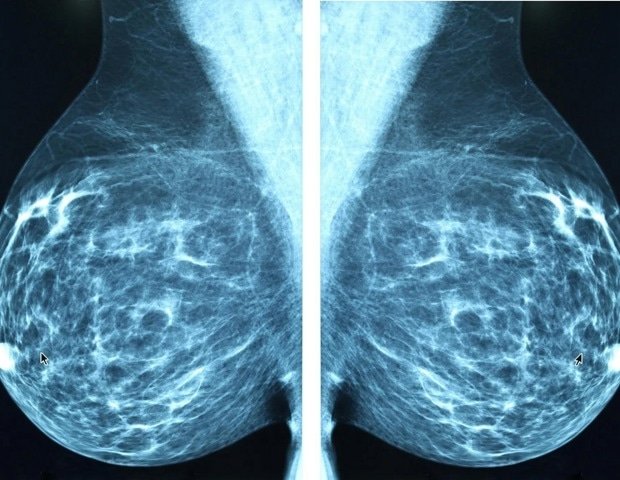
Vitamin D deficiency is associated with moderate to severe pain and increased intake of opioid drugs after breast cancer surgery, a study published online found. Local anesthesia and pain treatment.
Breast cancer patients with low vitamin D levels (less than 30 nmol/L) may benefit from taking supplements before undergoing radical mastectomy, researchers suggest.
New evidence suggests that vitamin D helps control how pain is perceived and processed by the body. This is probably due to its anti-inflammatory properties and effects on the immune system.
Vitamin D deficiency is also commonly reported among breast cancer patients.
A team of researchers set out to investigate the relationship between vitamin D deficiency and postoperative pain in patients undergoing surgery for breast cancer.
Their prospective observational study was conducted at Egypt’s Fayoum University Hospital from September 2024 to April 2025 and included 184 breast cancer patients scheduled to undergo surgical removal of one entire breast.
Half of the patients were classified as vitamin D deficient (<30 nmol/L) and the other half as vitamin D sufficient (>30 nmol/L). Both groups had similar characteristics, with a mean age of 44 years in the vitamin D-deficient group and 42 years in the vitamin D-sufficient group.
Patients were managed according to the hospital’s routine protocols during and after surgery. The clinical staff involved in their care were unaware of the patients’ vitamin D levels.
The opioid fentanyl was administered to manage acute pain during surgery. After surgery, all patients received paracetamol intravenously every 8 hours. Additionally, patients could control their dose of tramadol (another opioid pain medication) by directly pressing a button.
Patients reported pain levels at zero, 6, 12, 18, and 24 hours after surgery. Nausea and vomiting, sedation score, and postoperative hospital stay were also recorded.
Patients with vitamin D deficiency were three times more likely to report moderate to severe postoperative pain at any time during the first 24 hours than patients with sufficient vitamin D levels, the study found.
However, the researchers noted that the difference was solely due to a reduction in moderate pain (4 to 6 on the pain scale), as no patients in either group reported severe pain (more than 7 on a 0 to 10 scale).
Patients with vitamin D deficiency received an average of 8 micrograms more fentanyl during surgery, which the researchers described as a small difference.
However, the study found that those in the vitamin D-deficient group used significantly more tramadol (112 mg) postoperatively than those who had sufficient vitamin D levels. This powerful opioid was directly controlled by the patient at doses up to 50 mg per hour.
Opioid drugs can cause many side effects, including nausea, vomiting, drowsiness, and confusion, as well as the risk of dependence and addiction.
Postoperative nausea was more common in the vitamin D-deficient group, and vomiting occurred only in that group, but the difference in vomiting was small and not statistically significant.
This study had several limitations. This study was observational and conducted in a single center, so no firm conclusions can be drawn about causality. The researchers also did not assess inflammatory markers, so they were unable to investigate the mechanisms underlying the relationship between vitamin D and pain. Data on anxiety, depression, cancer stage, treatment, and sleep problems before surgery were also not collected.
Nevertheless, the researchers concluded that “vitamin D deficiency is associated with an increased incidence of moderate to severe postoperative pain and increased opioid intake in patients undergoing unilateral radical mastectomy.”
They suggest that “preoperative vitamin D supplementation in breast cancer patients with vitamin D levels <30 nmol/L may play a role in modulating postoperative pain."
sauce:
Reference magazines:
Abdelhadi, Massachusetts Others. (2026). Association between preoperative vitamin D levels and postoperative pain in patients undergoing breast cancer surgery: a prospective observational study. Local anesthesia and pain treatment. DOI: 10.1136/rapm-2025-107495. https://rapm.bmj.com/content/early/2026/05/04/rapm-2025-107495
