


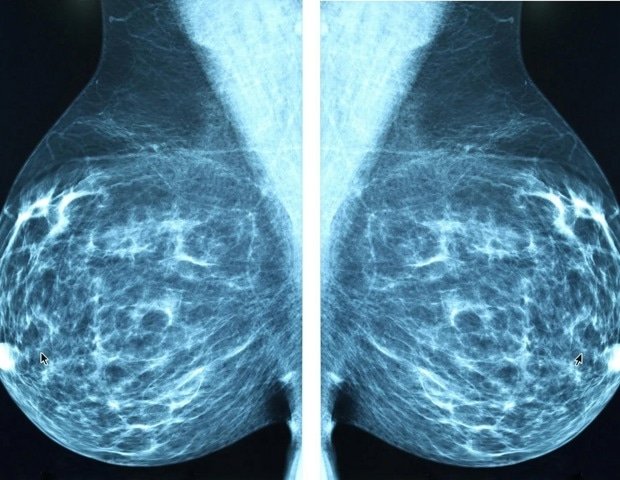
A study led by Dr Jason Pitt, Principal Scientist at the Cancer Science Institute of Singapore (CSI Singapore), has identified eight new ‘signatures’ of DNA patterns (gains and/or losses) in breast cancer.
By analyzing approximately 2,800 genomes, the research team aims to systematically profile DNA copy number changes in breast cancer to better understand the mechanisms underlying tumor development and assess how these structural genomic changes relate to clinical outcomes.
The identified signatures may help improve future diagnostic tools as well as better match breast cancer patients with targeted therapies.
Genomic instability is a hallmark of cancer, but previous studies have often relied on broad patterns that apply to different types of disease. The new study, published in Cancer Research on May 14, 2026, specifically looked at breast cancer genomes in the open-access databases The Cancer Genome Atlas (TCGA) and METABRIC.
The research team was able to classify a wide range of known genetic signatures into more detailed disease-specific categories, revealing the complex interplay between genomic instability and the tumor’s immune microenvironment.
New DNA change patterns promise improved diagnosis
This study identified eight de novo (newly extracted) DNA gain/loss signatures unique to breast cancer. In this study, we distinguished between the different genomic effects of BRCA1 and BRCA2 mutations and observed that patients with relatively stable (‘quiet’) genomes and less macrophage infiltration tended to have better survival outcomes.
These identified signatures may help refine future diagnostic tools, such as improving the detection of homologous recombination defects, to better match targeted therapies such as PARP inhibitors to patients.
To ensure that these discoveries benefit the broader scientific community, researchers launched CNA Visualizer. This open-access web tool enables scientists around the world to manipulate and visually explore vast datasets of different cancer genomes. The development of this broad framework and web portal provides important biological insights into breast cancer and genomic instability and provides the necessary tools for future research across different cancer types.
next step
The next phase of this research will focus on validating these genetic signatures in clinical practice and assessing their reliability in predicting patient response to targeted therapies. In addition, Dr. Pitt and his team plan to further investigate how interactions between genomic instability and the tumor microenvironment impact long-term clinical outcomes.
sauce:
National University of Singapore
