


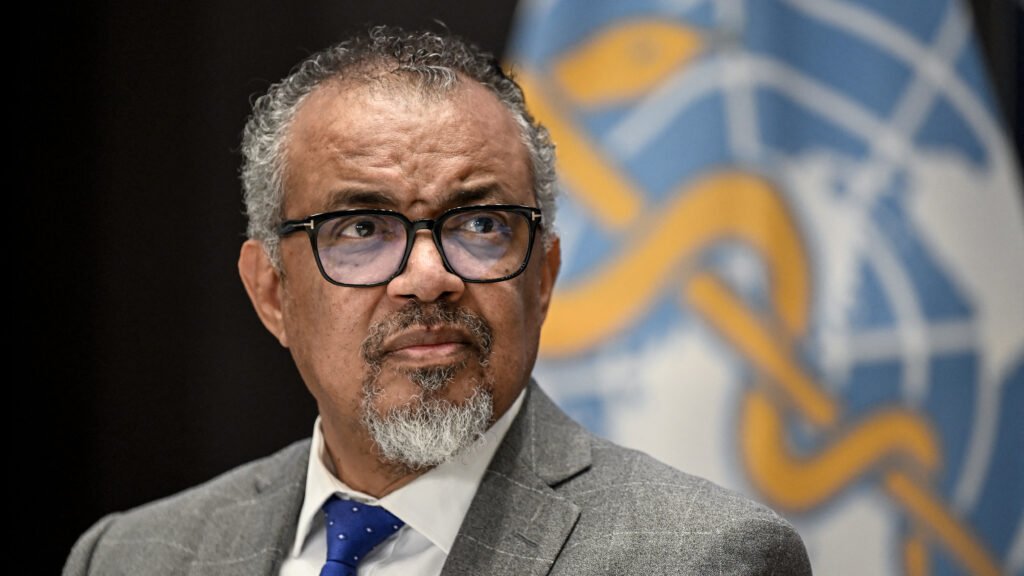
The World Health Organization late Saturday declared the Ebola outbreak first identified in the Democratic Republic of Congo an international public health emergency, highlighting concerns about the spread of the virus, with travel-related cases reported in the capital Kinshasa and Kampala, Uganda.
The speed with which the state of emergency was declared – Africa’s health authorities only confirmed the outbreak on Friday – is unusual but underscores concerns that authorities are behind the virus.
A strain of Ebola called Bundibugyo is causing cases. Health authorities are inexperienced in dealing with this virus strain, with only two Bundibugyo outbreaks recorded so far, and there is no approved vaccine or treatment for this virus strain.
As of Saturday, there were eight confirmed cases, 246 suspected cases and 80 suspected deaths in the Democratic Republic of Congo’s remote Ituri province, which borders South Sudan and Uganda. The region has also faced years of conflict, complicating the response to emergencies. Additionally, people regularly move within regions and between different countries.
The two cases in Kampala were in people who had been in the Democratic Republic of Congo, and the case in Kinshasa was in Ituri, WHO said. But authorities will be watching closely for signs of the virus spreading in these metropolitan areas.
At least four health workers have died from suspected infections, which WHO said shows gaps in infection prevention and the potential for spread within health facilities.
The WHO said there are numerous signs that an outbreak “much larger than what is currently being detected and reported may occur, with significant risks of local and regional spread.” The WHO declared a state of emergency in Geneva early Sunday.


Sign up for daily summary
Get all the health and medical news you need today in one email
A public health emergency of international concern, or PHEIC (pronounced “fake”), may be declared in response to a disease event where the risk of cross-border spread is considered high and is likely to require international cooperation to contain the threat. The PHEIC declaration gives the WHO director-general the power to issue so-called temporary recommendations, or guidance on steps countries should take to address the problem.
PHEIC’s declaration brings increased attention to this issue in world capitals. It is sometimes thought to help raise money for specific health issues, and rightly so. The WHO is facing a budget crisis, partly due to the US withdrawal from the organization under the Trump administration.
