


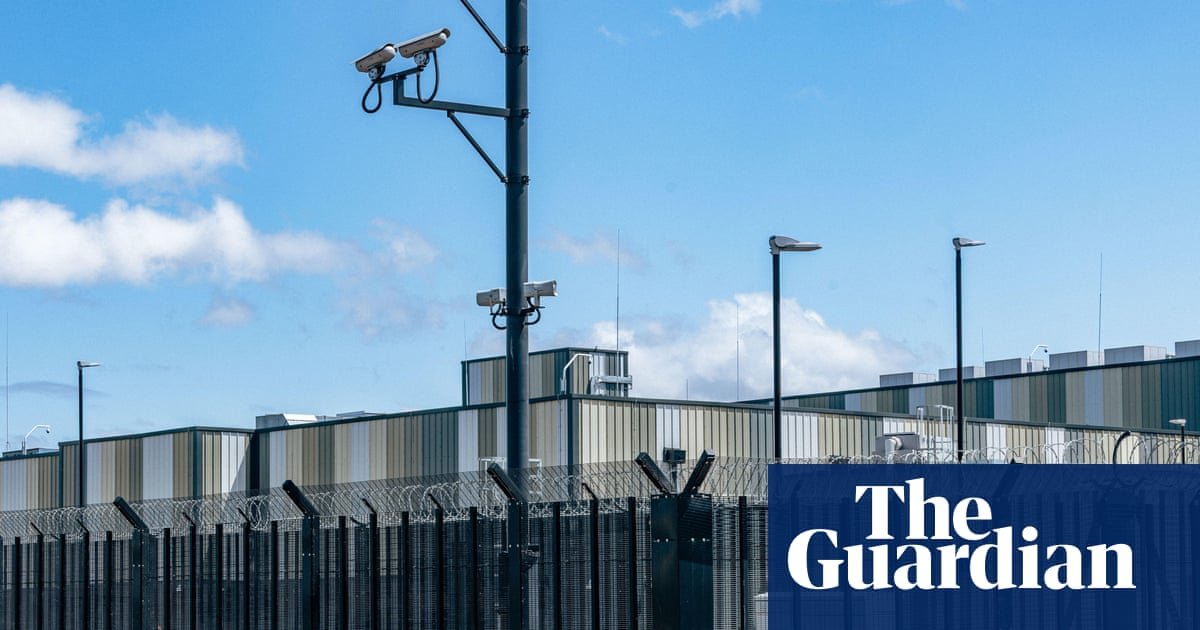
Research shows data centers consume 6% of electricity in the UK and US, and the increasing strain AI places on energy supplies is increasing community resistance.
According to the International Data Center Authority (IDCA), annual global investment in data centers approaches $1 trillion (£740 billion), and the proportion of electricity used in vast warehouses laden with microchips to power AI and the internet has increased by 15% worldwide in the past two years. This is nearly 1% of the global economy.
The figures come amid Britain’s energy shortage and data center developers say it will take years to connect the country to the grid. IDCA said rising global electricity usage was “raising social and political concerns” and called on technology companies to be more transparent about plans for new data centers to address “community grievances.”
The Guardian reported this week that developers working at Google had significantly misstated how much a proposed carbon footprint AI data center would contribute to the UK’s total emissions.
“When data center footprints reach the consumption level of 5% of national electricity grids, countries begin to experience significant community and political backlash,” the IDCA study concludes.
In early 2025, the UK government estimated that electricity usage in UK data centers was 2.5%, but predicted that this would increase fourfold by 2030. In the first half of 2025, queues to connect to the grid increased by 460%.
In the UK, 5.9% of electricity is used in data centres, while in the US the figure is 6%, well above the global average of 2%. In Singapore and Lithuania, the use of technology is placing even greater strain on power supplies, with data centers currently consuming 19% and 11% of these countries’ national grid energy, respectively.
Microsoft claims its new data center in Mount Pleasant, Wisconsin is the most powerful in the world. Photo: Audrey Richardson/Reuters
In response to rising electricity usage, Greenpeace UK has warned that an “unchecked AI boom” means higher energy bills, further stress on water supplies and “a new lifeline for fossil fuels”.
Doug Parr, chief scientist at the campaign group, said: “Before we get carried away by the enthusiasm of tech billionaires whose profits depend on this expansion, we should stop and ask ourselves whether it’s worth it.”
“We need more transparency about the amount of water and energy used in data centers, proper environmental impact assessments, and a ban on new polluting plants being built to power AI.”
It is estimated that there are currently about 10,000 data centers around the world, the largest of which includes the new 1.2-meter-square-foot (approximately 111,500 square meters) Mount Pleasant data center in Wisconsin, which Microsoft claims is the world’s most powerful.
IDCA’s figures are in line with the International Energy Agency’s recent estimates that energy use will increase by 17% in 2025, outpacing global electricity demand growth by 3%.
We also found that 13% of US data center consumption is due to unused “zombie” services, or running apps that are not powered off but not used. This wasteful consumption totals over 3GW.
“This type of inefficiency is estimated to be significant around the world, and is increasing as the proportion of cloud computing increases,” the report states.
The annual report also highlighted new military threats to data centers.
“The attacks on data centers in the Middle East, now considered critical infrastructure, have shocked data center operators and customers with fears that their physical security will be compromised,” the newspaper said. “Cybersecurity is now tied to physical security as part of an integrated, comprehensive security strategy.”
