


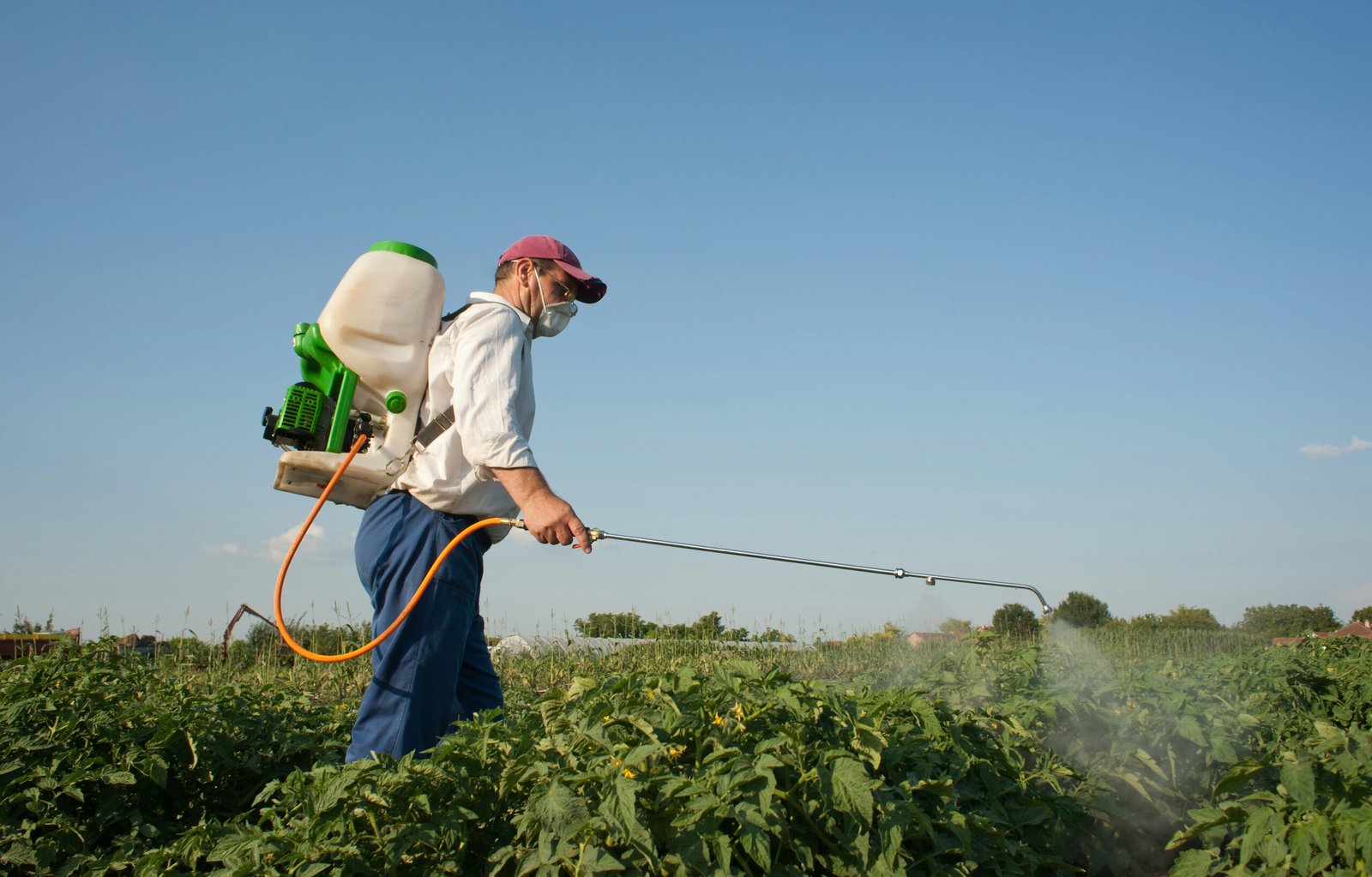
Listen to the audio version of this article (generated by AI).
The proposed class action settlement in the nationwide Roundup lawsuit would pay $675 million to the lawyers who negotiated the settlement, while plaintiffs suffering from cancer would receive an average of $10,000 to $165,000 each, according to a new court report in the case.
The petition for court approval was filed last week by lawyers from six firms, calling it “fair” and “reasonable” and achieved through “extraordinary efforts,” but several other lawyers who have been involved in the Roundup case since its inception object to the terms of the settlement and question its fairness.
The details of the rate agreement provided new fodder for critics of the deal. Additionally, an order issued last week by the federal judge overseeing the Roundup litigation cast doubt on the settlement’s ability to bind potential future plaintiffs to its terms.
For Bayer, the German conglomerate that acquired Roundup maker Monsanto in 2018, the $7.25 billion settlement could be key to resolving a decade of litigation involving well over 100,000 lawsuits filed by people who say they developed cancer from Roundup and other herbicides made from the chemical glyphosate.
Bayer has struggled under the weight of costly litigation, paying out more than $11 billion in settlements and jury awards, and tens of thousands of cases remain pending.
In addition to those currently suing the company, the proposed settlement is intended to include Roundup users who have not yet sued the company but could do so if they develop non-Hodgkin’s lymphoma (NHL) within the next 17 years. Compensation will be determined and awarded on a tiered basis based on the nature and extent of the class member’s exposure, age at diagnosis, and type of NHL. It does not include other cancers, only NHL.
The company and the team of plaintiffs’ lawyers who finalized the class action deal quickly received approval from the Missouri court where the agreement was filed and are now promoting the deal across the country. A Missouri court is expected to consider final approval of the agreement in July.
Bayer and other lawyers supporting the deal say it’s the best way for the company to keep its herbicide business out of bankruptcy, ensure farmers continue to have access to its popular glyphosate herbicides, and resolve claims from people who may not be able to get justice because of crowded courts.
They also cite the Bayer case pending in the U.S. Supreme Court, seeking a ruling that preempts plaintiffs’ claims that the company should have warned about the cancer risks of its glyphosate products.
Lawyers who requested the fee said in a new filing that the $675 million fee, which will be paid in damages to the plaintiffs plus a contingency fee, is reasonable and well within legal standards.
They said they had “achieved a historic achievement” in “eliminating” many of the risks for cancer patients who are members of the class. They said they “intend to continue their work and spend tens of thousands of hours” for at least the next 17 years to implement the settlement and “ensure that both current and future claimants receive the compensation secured on their behalf.”
But critics say the agreement provides excessive legal fees while offering little to people suffering from cancer, and is structured in a way that makes it extremely difficult for people to opt out of the agreement and limits their ability to sue in the future.
“This settlement is shockingly unconstitutional,” said Gerson Smoger, a former president of the Public Justice Foundation and a Texas plaintiffs’ attorney who has argued pesticide cases before the U.S. Supreme Court.
“This settlement is shockingly unconstitutional.” – Garson Smoger, Texas Plaintiffs’ Attorney
Smoger, who does not represent Roundup plaintiffs, said the settlement is “unusual” in many ways, including that it seeks to constrain the ability of people who do not currently have NHL coverage and do not know they could lose future claims if they do not opt out. People who currently use Roundup and later develop cancer and want to sue would have to formally opt out of the class, but they are still prohibited from seeking punitive damages if they sue, and they may have difficulty retaining a lawyer.
Smoger said the terms also provide a financial incentive for plaintiffs’ lawyers to advise their clients to accept the terms and not opt out of the ethically questionable terms.
He also pointed out that in similar class action settlements that seek to resolve future claims, companies agree to stop selling the products at the center of the claims. That’s not the case with this deal.
“What they want is for no one to be punished for their actions,” Smoger said.
Other lawyers had similar concerns.
“What’s happening here is a discredit to the plaintiffs’ lawyers,” said one plaintiffs’ lawyer who opposes the deal but declined to be named. The company could continue to sell its products without adding cancer warnings, but the ability of people who developed cancer from using the products to sue would be limited, the lawyers said.
Lawyers for the opposing sides asked federal Judge Vince Chhabria last month to consider the class action agreement. Mr. Chhabria, who works in the Northern District of California, is overseeing the Roundup multidistrict litigation (MDL), where thousands of people from across the country are suing the former Monsanto Company.
Chhabria said that while he has serious concerns about the validity and fairness of the agreement, it is not his place to interfere with the progress of the settlement in Missouri state court.
Mr. Chhabria reiterated that position in his May 6 order, but also made clear that he would not support the class action settlement in court.
“Even if this agreement receives final approval from the state trial court and somehow survives appellate review, it will not preclude this court from exercising its authority in this federal MDL case,” Chhabria wrote in his order. “At that point, any current or future plaintiff in this MDL will be free to assert that the settlement is non-binding.”
“Monsanto is pleased that the MDL court denied the motion by two outlier companies seeking to block the nationwide Roundup class action settlement. We look forward to advancing the settlement process in Missouri state court, where nearly all remaining Roundup litigation remains. All lawsuits are pending, and the class action has already received preliminary approval.The class settlement is supported by plaintiffs’ attorneys representing tens of thousands of claimants, and we are hopeful that the settlement will actually occur.”It does not include the approximately 250 plaintiffs whose claims were pending in MDL court as of the settlement date, unless they choose to participate. ”
Featured image by Getty Images for Unsplash+
-
Carrie Gillum is editor-in-chief of The New Lede and a veteran investigative journalist with more than 30 years of experience covering U.S. news, including 17 years (1998-2015) as a senior correspondent for Reuters International. She is the author of Whitewashing: A Story of Herbicides, Cancer, and the Corruption of Science, which exposed the agricultural corruption of the Monsanto corporation. The book won the coveted Rachel Carson Book Award from the Association of Environmental Journalists in 2018. Her second book, the narrative law thriller The Monsanto Documents, was released on March 2, 2021.
She also contributed chapters to a textbook on environmental journalism and a book on pesticide use in Africa.
Mr. Gillum testified about his research as an invited expert before the European Parliament in 2017 and was a featured speaker at the World Democracy Forum in Strasbourg, France in 2019. He has also been a keynote speaker and panel speaker at events and universities in North America, Australia, the Netherlands, Brussels, and France.
Gillam is a regular contributor to the Guardian. Her work has also appeared in The New York Times, Huffington Post, Time, and other outlets.
In 2022, Gillum helped launch The New Lede as a journalism initiative of the Environmental Working Group.
Gillum is a member of the Association of Environmental Journalists.
