


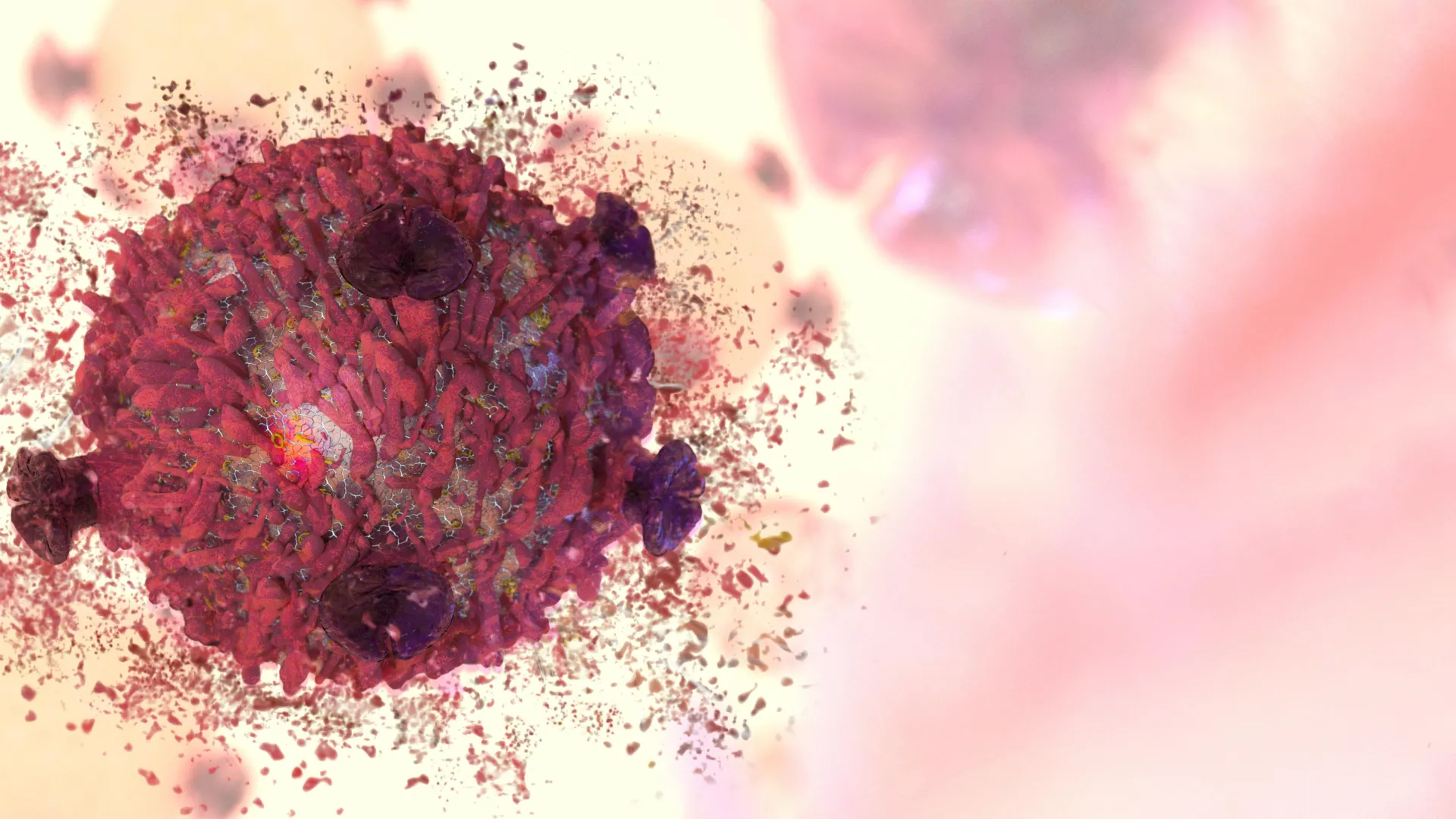
UBC Okanagan researchers have uncovered the process plants use to produce mitraphylline. Mitraphylline is a rare natural compound that has received attention for its possible cancer-fighting properties.
Mitraphylline belongs to a unique class of phytochemicals known as spirooxindole alkaloids. These molecules are known for their unusual twisted ring structures and potent biological effects, including anti-inflammatory and antitumor activities.
Scientists have been studying these compounds for years, but the exact molecular steps plants use to produce them have remained unclear.
Groundbreaking discoveries in phytochemistry
The mystery began to unravel in 2023, when Dr. Tutui Dunn’s team at UBC Okanagan’s Irving K. Barber School of Science identified the first known plant enzyme that can twist molecules into a unique spiroshape.
Building on this initial discovery, PhD student Tuan-Anh Nguyen led a new study that discovered two key enzymes involved in the production of mitraphylline. One enzyme organizes the molecule into the correct three-dimensional structure, and a second enzyme converts the molecule into mitraphylline itself.
“It’s like finding a missing link on an assembly line,” says Dr. Dunn, UBC Okanagan provost’s Natural Products Biotechnology Research Chair. “This answers long-standing questions about how nature builds these complex molecules and gives us new ways to reproduce that process.”
Why is Mitraphylline so valuable?
Many promising natural compounds are found in only trace amounts in plants, making them difficult and expensive to reproduce in the laboratory. Mitraphylline is one of those rare substances. It is present in trace amounts in tropical trees such as Mitragyna (kratom) and Uncaria (cat’s claw), members of the coffee family.
Now that researchers have identified the enzymes involved in the formation and assembly of mitraphylline, they now have a clearer path to producing this compound and related molecules in a more sustainable way.
“With this discovery, we now have a green chemistry approach to access compounds with enormous pharmaceutical value,” Nguyen says. “This is a product of UBC Okanagan’s research environment, where students and faculty work closely together to solve global problems.”
Nguyen also reflected on the experiences that contributed to his breakthrough.
“It’s great to be part of the team that discovered the enzyme behind spirooxindole compounds,” Nguyen added. “UBC Okanagan’s guidance and support made this possible, and I’m excited to continue to grow as a researcher here in Canada.”
International cooperation promotes research
This project was put together by Drs. Dunn Lab at UBC Okanagan and Dr. Dunn’s Lab at UBC Okanagan. Sathya Nadakduti’s research group at the University of Florida.
Funding for this research was provided by the Natural Sciences and Engineering Research Council of Canada’s Alliance International Cooperation Program, the Canada Foundation for Innovation, and the Michael Smith Health Research BC Scholarship Program. Additional support was provided by the U.S. Department of Agriculture’s National Institute of Food and Agriculture.
“We are proud of this discovery from UBC Okanagan. Plants are great natural chemists,” says Dr. Dunn. “Our next steps will focus on adapting our molecular tools to create a broader range of therapeutic compounds.”
