


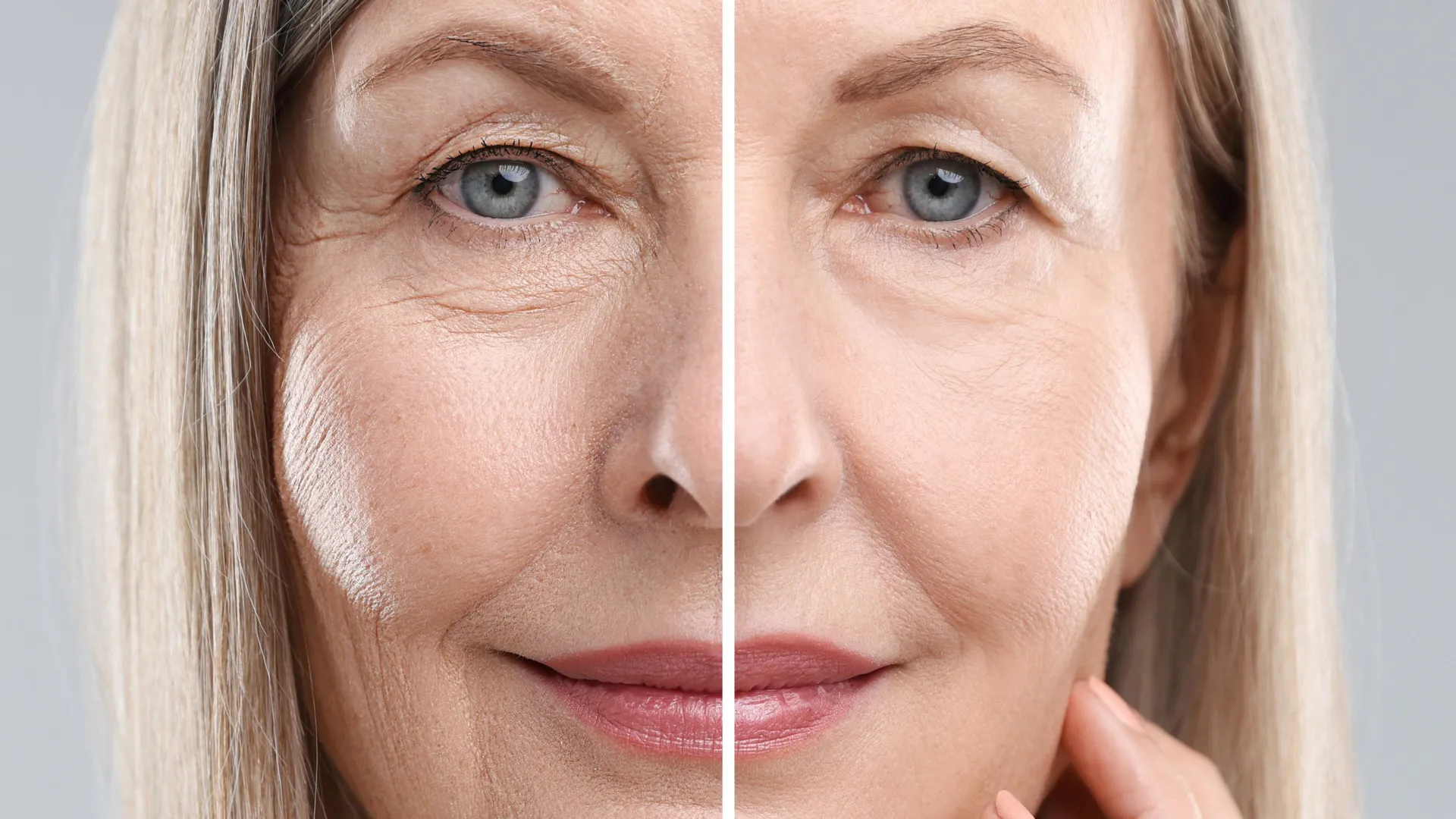
Older people who cut back on fat in their diets and reduced their intake of animal protein showed signs of becoming biologically younger, according to new research from the University of Sydney.
This research aged cellsfound that adults between the ages of 65 and 75 experienced a decrease in their estimated “biological age” after following a specific diet for just four weeks. Researchers say the findings suggest that changing your diet later in life can quickly improve markers associated with aging and overall health.
The research was led by Dr Caitlin Andrews from the School of Life and Environmental Sciences at the University of Sydney. Although the results are promising, the scientists stressed that the study is not definitive proof that diet can reverse aging, but only provides early signs. They say larger, longer-term studies are needed to determine whether these biological changes reduce disease risk over time and whether the same effects occur in other age groups.
What is biological age?
While chronological age measures the number of years a person has lived, biological age reflects how well the body is functioning. Biological aging varies greatly from person to person, depending on factors such as health, lifestyle, and the body’s ability to recover from stress and illness.
To estimate biological age, scientists analyze biomarkers, which are measurable indicators of physiological health over time. These biomarkers are thought to be more useful than chronological age in understanding long-term health status and potential longevity.
In this study, researchers used information from 20 biomarkers to calculate participants’ biological age scores. These include measurements such as cholesterol, insulin, and C-reactive protein levels. The data comes from research conducted at the university’s Charles Perkins Center on Nutrition for Healthy Living.
Tested 4 different diet plans
The study included 104 participants, who were randomly assigned to one of four diets. Each meal provided 14% of total energy from protein.
The two diets were omnivorous, with half of the protein coming from animals and the rest from plants. The other two were semi-vegetarian diets, with 70% of the protein coming from plants.
Within these categories, participants were assigned either a high-fat, low-carbohydrate diet or a low-fat, high-carbohydrate diet. This created four dietary groups: omnivorous high-fat diet (OHF), omnivorous high-carbohydrate diet (OHC), semi-vegetarian high-fat diet (VHF), and semi-vegetarian high-carbohydrate diet (VHC).
Participants’ body mass index (BMI) ranged from 20 to 35. All participants were non-smokers, non-vegetarians, and had no serious comorbidities (e.g. type 2 diabetes, cancer, kidney or liver disease) or food allergies and/or intolerances.
Which diet has made the biggest difference?
The researchers found that the OHF group’s diet remained closest to what participants were already eating before the study and did not show significant changes in biological age markers.
However, all three other groups showed a decrease in biological age. The strongest statistical evidence came from the OHC group, which had an omnivorous diet high in carbohydrates and low in fat. In this group, 14 percent of their energy came from protein, 28 to 29 percent from fat, and 53 percent from carbohydrates.
The results suggest that diet can impact biological aging surprisingly quickly, but the researchers caution that it is still unclear whether these improvements will last for a long time or if they will lead to a sustained reduction in biological age.
Researchers call for long-term studies
“Long-term dietary changes are needed to assess whether dietary changes change the risk of age-related diseases,” said Associate Professor Alistair Senior from the School of Life and Environmental Sciences and the Charles Perkins Center, who oversaw the study.
“It is too early to say definitively that specific changes in diet will extend lifespan, but this study provides an early indication of the potential benefits of dietary changes later in life,” Dr. Andrews said.
“Future studies should investigate whether these findings extend to other cohorts and whether the changes recorded persist or predict long-term outcomes.”
