


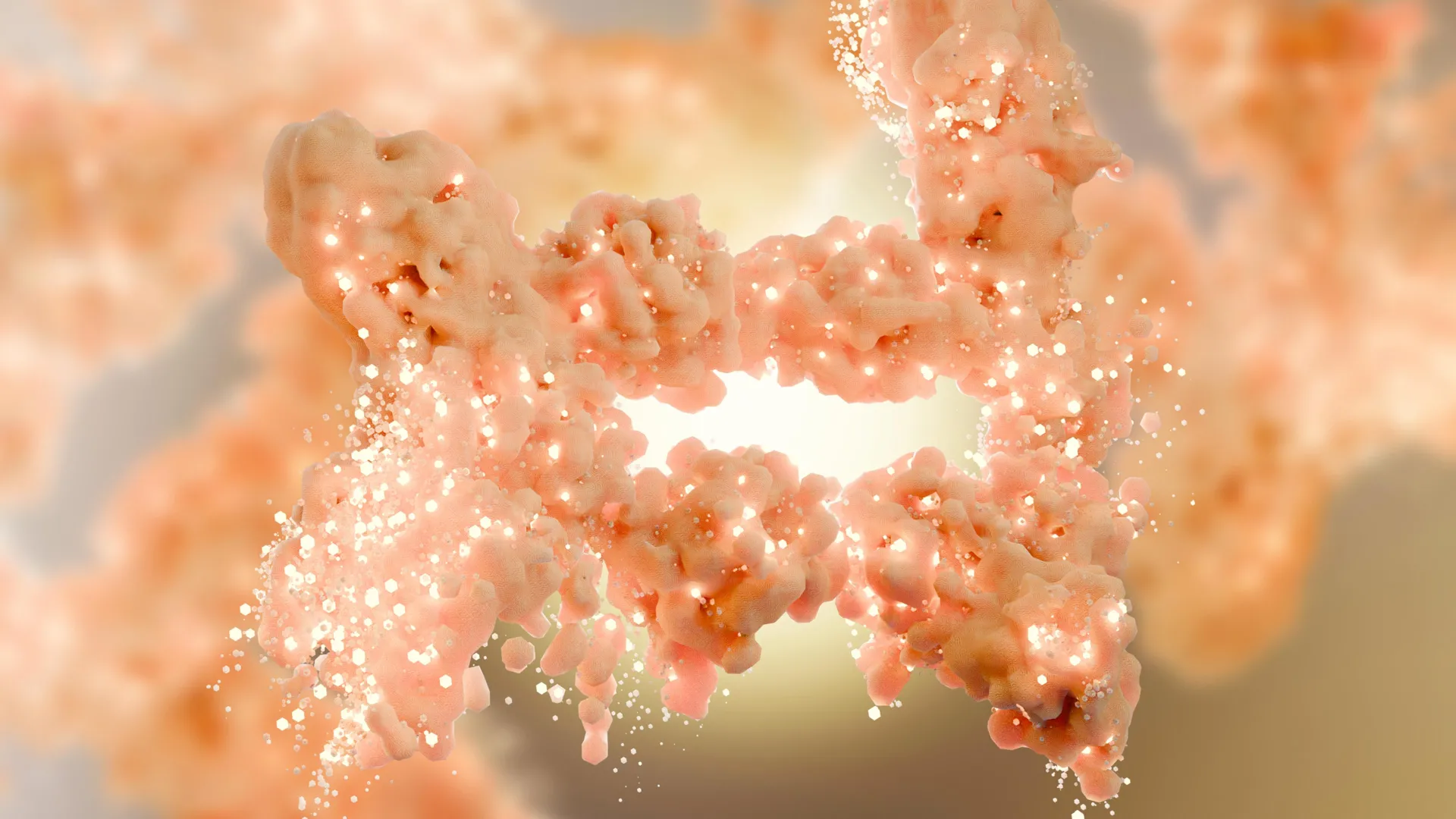
For decades, scientists believed they had figured out one of the body’s key fat-burning proteins. This enzyme, known as hormone-sensitive lipase (HSL), was thought to function primarily as the body’s emergency fuel switch, helping release stored fat when energy is in short supply.
But researchers discovered something unexpected. HSL not only acts on the surface of lipid droplets within fat cells. It was also active deep in the cell’s nucleus, where DNA is stored and important gene activity is controlled. The discovery reveals a completely different aspect of the protein that scientists have been studying since the 1960s.
The survey results are cell metabolismhas helped solve a long-standing mystery in obesity research and opened new directions for understanding diabetes, heart disease, and other metabolic disorders.
Fat cells do more than just store calories
Fat cells, also called adipocytes, are often considered passive storage containers for excess calories. In fact, they are highly active cells that help regulate the body’s entire energy system.
Within fat cells, fat is stored in structures called lipid droplets. When the body needs fuel between meals or during fasting, hormones such as adrenaline cause the release of its stored energy. HSL plays a central role in this process by breaking down triglycerides into fatty acids that other organs can use as fuel.
Scientists have long believed that removing HSL prevents fat breakdown, leading to obesity. Surprisingly, that didn’t happen.
Studies in both mice and humans with mutations in the HSL gene showed the opposite effect. They developed lipodystrophy, a rare condition in which the body loses healthy fat tissue instead of storing excess fat.
This contradiction has puzzled researchers for years.
Obesity and dangerous fat loss have similar problems
Although obesity and lipodystrophy look completely different, they can cause many of the same health complications.
In obesity, adipose tissue becomes enlarged and dysfunctional. In lipodystrophy, the body does not have enough fatty tissue to function properly. In both cases, fat cells cannot regulate energy properly, which can lead to insulin resistance, type 2 diabetes, fatty liver disease, inflammation, and cardiovascular disease.
This overlap suggests that healthy adipose tissue is not simply about how much fat your body contains. Adipocyte quality and function may be equally important.
Researchers at the Institute of Cardiovascular and Metabolic Diseases (I2MC) at the University of Toulouse wanted to understand why loss of HSL causes adipose tissue to be destroyed rather than accumulated. What they discovered changed the scientific landscape of fat metabolism.
Scientists discover HSL in cell nucleus
A research team led by Dominique Langin discovered that HSL is located in an unexpected location within fat cells: the nucleus.
The nucleus acts as the control center of the cell. It contains DNA and controls which genes are switched on and off. Proteins in the nucleus often help control cell growth, repair, metabolism, and communication.
“In the nucleus of the fat cell, HSL is able to combine with many other proteins to maintain an optimal amount of adipose tissue and participate in a program that keeps the fat cell ‘healthy’,” explained study co-author Jeremy Dufour.
The researchers found that nuclear HSLs appear to help regulate important cellular systems, such as mitochondrial activity and the extracellular matrix that provides structural support for tissues.
Mitochondria are sometimes referred to as the powerhouses of the cell because they produce energy. The extracellular matrix helps maintain tissue shape and integrity. Problems in both systems are associated with obesity, inflammation, and metabolic disease.
Proteins with two completely different functions
This study showed that HSL behaves differently depending on where it is located within the cell.
On lipid droplets, HSL acts as an enzyme that helps release fat stored during fasting or exercise. However, within the nucleus, it appears to act like a regulatory factor that helps maintain healthy adipose tissue.
The researchers also found that the amount of HSL in the nucleus changes depending on the body’s metabolic state.
During fasting, adrenaline activates HSL and pushes it out of the nucleus, which helps mobilize fat stores. Nuclear HSL levels were increased in obese mice fed a high-fat diet.
The protein’s movement appears to be controlled by a signaling pathway involving TGF-β and SMAD3, molecules already known to influence inflammation, tissue remodeling, and metabolic disease.
Scientists also found evidence that nuclear HSL interacts with proteins involved in gene expression and RNA processing, suggesting that nuclear HSL may directly influence adipocyte function at the genetic level.
Why is discovery important?
The findings helped explain why complete loss of HSL causes lipodystrophy rather than obesity. Without HSL in the nucleus, fat cells may lose their ability to stay healthy and properly maintain adipose tissue.
“HSL has been known as a fat mobilizing enzyme since the 1960s, but we now know that HSL also plays an important role in the nucleus of adipocytes and helps maintain healthy adipose tissue,” Langin said.
The findings could also help researchers better understand why some obesity treatments are successful while others fail. Many current treatments primarily focus on reducing fat mass. However, this study suggests that maintaining healthy adipose tissue function may be just as important.
Scientists are increasingly recognizing that adipose tissue functions as a complex endocrine organ that communicates with the brain, liver, muscles, and immune system through hormones and signaling molecules. Dysfunction of adipose tissue can wreak havoc on the body, not just weight gain.
Obesity remains a global health challenge
The study comes as obesity rates continue to rise around the world. Global estimates suggest that billions of people are currently overweight or obese, increasing their risk of diabetes, heart disease, stroke, sleep apnea, and some cancers.
Researchers hope that understanding how proteins like HSL regulate fat cell health may ultimately lead to more targeted treatments for metabolic diseases.
Rather than simply trying to remove fat, future treatments may focus on restoring the normal function of fat cells and protecting the biological systems that keep adipose tissue healthy in the first place.
