


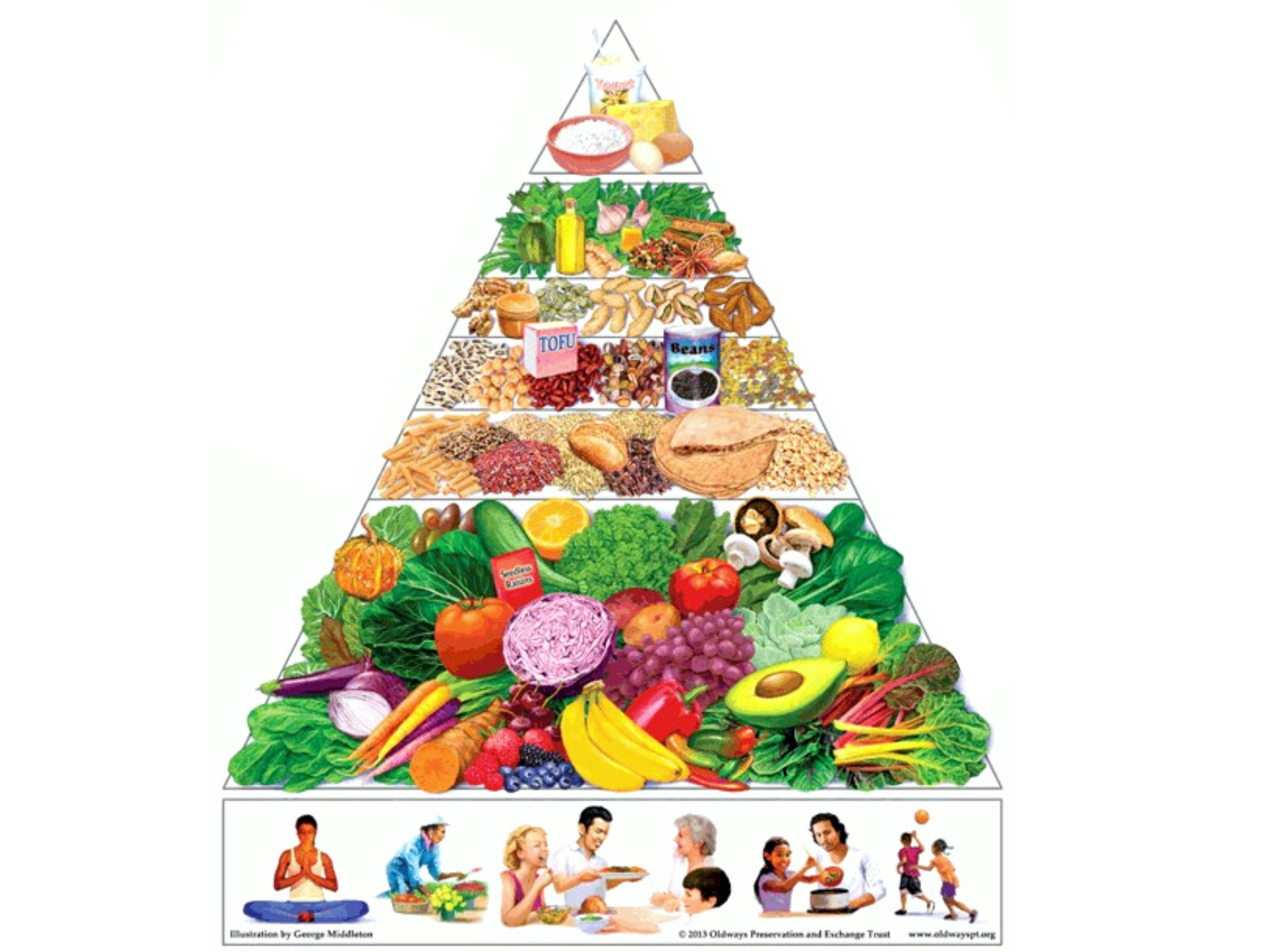
The 2025-2030 Dietary Guidelines for Americans introduce transformative shifts toward “real food,” prioritizing minimally processed options, higher protein intake (1.2–1.6 g/kg body weight), and full-fat dairy. An inverted Food Guide Pyramid elevates meat and whole-milk dairy, replacing MyPlate, amid stricter added sugar limits—no recommendation until age 10—and calls to curb ultra-processed foods.
These changes align with evidence: Harvard praises progress on sugars and refined grains, noting ultra-processed foods’ links to metabolic risks Harvard analysis. A critical review lauds the minimally processed focus, supported by cohort studies associating them with obesity and mortality.
Critiques highlight inconsistencies. The pyramid promotes saturated fat sources like steak and butter despite a 10% calorie cap, risking LDL elevations and CVD, per Frank Hu. Protein recommendations extrapolate subgroup data (e.g., older adults) to all, overlooking source quality—plant proteins favor outcomes over red meat.
Process opacity raises concerns: Bypassing public advisory input for contracted reviews lacks transparency UWisc overview.
For dietitians, researchers, and clinicians, the 2025-2030 Dietary Guidelines advance food-centric policy but demand nuanced application. Align with metabolic health via evidence-based patterns like Mediterranean, bridging guidelines to interventions amid evidence-policy gaps.
Evidence-Based Analysis: Protein Hype, Fat Contradictions, and Ultra-Processed Food Limits
The 2025-2030 Dietary Guidelines elevate protein intake to 1.2–1.6 g/kg/day, a 50–100% increase over prior RDAs, targeting muscle preservation amid aging populations. Yet, a PMC review critiques this as overreach: evidence stems from subgroups like older adults or weight-loss contexts, not general populations. Long-term RCTs show no superior cardiometabolic outcomes versus moderate intake in healthy adults, risking excess calories if unbalanced.
Protein source matters profoundly. Guidelines urge variety but spotlight red meat despite plant proteins and fish linking to better outcomes. Harvard’s Frank Hu warns higher animal proteins may elevate CVD via saturated fats, unaddressed in broad hikes.
Saturated fat limits hold at <10% calories, yet the pyramid’s steak, butter, full-fat dairy prominence confounds. A 2,000-calorie diet with recommended dairy servings nears the cap pre-meat or tallow, per Harvard math. Meta-analyses affirm replacing saturates with unsaturates lowers LDL-C and events; butter lacks olive oil’s polyphenols.
Ultra-processed foods face unprecedented scrutiny, backed robustly. Cohorts link them to obesity, T2D, CVD via energy density, additives, glycemic loads. Guidelines’ vague “highly processed” aids policy but needs NOVA-like clarity for clinicians.
Added sugars tighten: <10g/meal, none pre-age 10. Strong for caries, obesity; per-meal novel, unproven superior to daily caps.
For metabolic health, guidelines advance UPF limits but falter on protein/fat coherence. Dietitians must prioritize quality—favor Mediterranean patterns over unchecked animal sources—to optimize outcomes amid dietary guidelines critique.
Clinical Nutritional Interventions: Metabolic Health Strategies and Implementation for Dietitians
Tiered metabolic health interventions operationalize 2025-2030 Dietary Guidelines principles for dietitians. Essentialist basics counter UPF dominance: prioritize whole foods, post-meal walks (blunt glucose spikes), 7-8h sleep (enhance insulin sensitivity), sustainable weight loss (5% reduces risks).
Explorer level amplifies: boost fiber/protein (e.g., legumes meet protein intake recommendations without excess saturates), Zone 2 cardio (150min/week conversational pace builds mitochondrial efficiency), active stress reduction (breathwork lowers cortisol-driven glycemia), CGM trials (reveal bio-individuality).
- Zone 2 Implementation: Brisk walks/jogs; track heart rate (60-70% max). Improves metabolic flexibility per Levels tiers.
- CGM Use: 2-week wear identifies triggers; pair with Food as Medicine prescriptions.
ADA 2026 standards integrate tech/pharma: MNT with CGMs, GLP-1s for diabetes Becky Dorner. US News trends affirm Mediterranean patterns, GLP-1 expansion for cardiometabolic benefits.
Enthusiast advances: strength training (2x/week preserves muscle), omega-3s, reduced alcohol. Expert optimizations like vinegar pre-meals, fasting suit select clients.
Troubleshoot challenges: Adherence falters sans personalization—use CGMs for feedback; small increments (e.g., one meatless day/week toward Mediterranean); accountability via apps/groups. Monitor via core outcomes LWW review.
Real-world Frontiers data: Interventions reverse metabolic syndrome in elders. Dietitians bridge 2025-2030 Dietary Guidelines critiques to clinical nutritional interventions, fostering preventative success.
Sources
- https://nutrisci.wisc.edu/2026/01/15/new-dietary-guidelines-for-americans/
- https://nutritionsource.hsph.harvard.edu/2026/01/09/dietary-guidelines-for-americans-2025-2030/
- https://pmc.ncbi.nlm.nih.gov/articles/PMC13074671/
- https://www.frontiersin.org/journals/nutrition/articles/10.3389/fnut.2026.1821257/full
- https://www.beckydorner.com/2026-standards-of-care-in-diabetes-rdns/
- https://www.levels.com/blog/the-2024-levels-guide-to-metabolic-health-interventions
- https://health.usnews.com/wellness/articles/top-health-and-nutrition-trends-for-2026
- https://projectfoodbox.org/blog/2026-health-trends-are-reframing-the-role-of-nutrition
- https://www.frontiersin.org/journals/nutrition/articles/10.3389/fnut.2026.1795035/full
- https://journals.lww.com/co-clinicalnutrition/fulltext/2026/03000/coreoutcomesetsandtrialsofnutrition_and.10.aspx
