

Close Menu

    Subscribe to Updates

    Get the latest creative news from FooBar about art, design and business.

    What's Hot

    Fierce Pharma Asia—Sun acquires organic compounds for $11.75 billion. Astellas Xtandy Peak. BeOne’s PD-1xVEGF Bet

    May 1, 2026

    Pharma Industry Trends 2026: Overcoming Patent Cliffs and Rising Costs

    May 1, 2026

    This ‘Pink Floyd’ spider hunts prey six times its size and lives inside walls

    May 1, 2026
    Facebook X (Twitter) Instagram
    Facebook X (Twitter) Instagram
    Health Magazine
    • Home
    • Environmental Health
    • Health Technology
    • Medical Research
    • Mental Health
    • Nutrition Science
    • Pharma
    • Public Health
    • Discover
      • Daily Health Tips
      • Financial Health & Stability
      • Holistic Health & Wellness
      • Mental Health
      • Nutrition & Dietary Trends
      • Professional & Personal Growth
    • Our Mission
    Health Magazine
    Home » News » New treatment reduces bad cholesterol by nearly 50% without using statins
    Nutrition Science

    New treatment reduces bad cholesterol by nearly 50% without using statins

    healthadminBy healthadminMay 1, 2026No Comments4 Mins Read
    New treatment reduces bad cholesterol by nearly 50% without using statins
    Share
    Facebook Twitter Reddit Telegram Pinterest Email


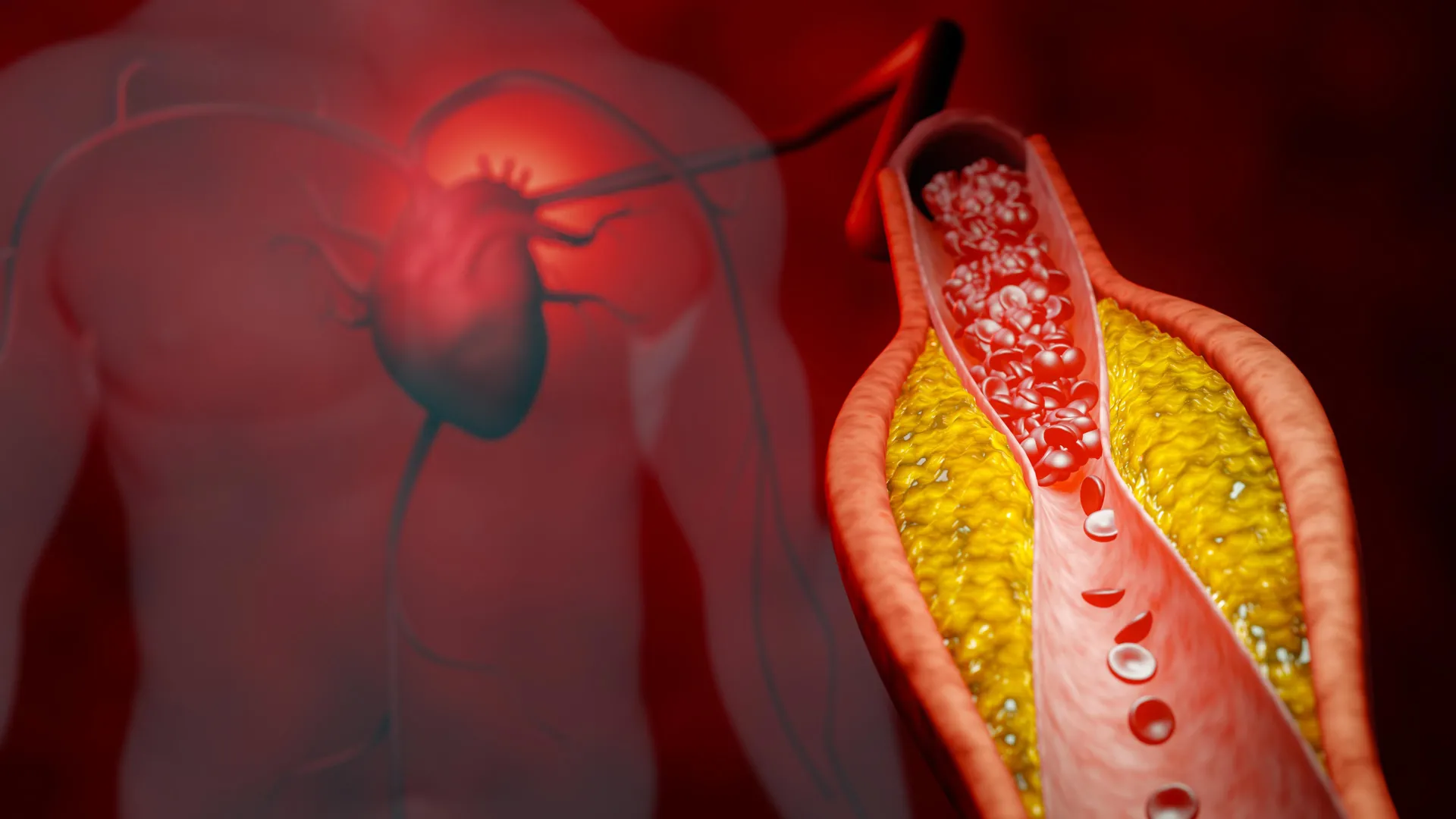
    High levels of cholesterol in the bloodstream can damage arteries and cause hypercholesterolemia, which increases the risk of heart disease. Now, researchers from the University of Barcelona and the University of Oregon have developed a promising new approach to controlling cholesterol levels, offering the possibility of a new way to combat atherosclerosis, which occurs when fatty plaques build up on artery walls.

    The research team focused on PCSK9, a protein that plays a central role in regulating levels of low-density lipoprotein cholesterol (LDL-C), often referred to as “bad” cholesterol. They designed a way to block the production of this protein using a special DNA-based molecule known as a polypurine hairpin (PPRH). By inhibiting PCSK9, this treatment helps cells absorb more cholesterol, reducing the amount circulating in the blood and limiting the buildup of cholesterol in the arteries. Importantly, this approach may avoid the side effects commonly associated with statin drugs.

    The research results were published in a magazine biochemical pharmacology. The study was led by Carles J. Ciudad and Veronica Noé from the Faculty of Pharmacy and Food Sciences of the University of Barcelona and the Institute of Nanoscience and Nanotechnology (IN2UB), in collaboration with Nathalie Pamir from the University of Oregon in Portland, USA. Funding was provided by the Spanish Ministry of Science, Innovation and Universities (MICINN) and the US National Institutes of Health (NIH).

    How polypurine hairpins block key cholesterol proteins

    PCSK9 (protein convertase subtilisin/kexin type 9) has recently become an important target for therapies aimed at lowering cholesterol and reducing cardiovascular risk. This protein works by binding to LDL receptors on cells, limiting the cells’ ability to remove cholesterol from the bloodstream. When PCSK9 levels are high, fewer receptors are available and LDL cholesterol builds up in the blood.

    Polypurine hairpins (PPRH) provide a way to disrupt this process at the genetic level. These molecules are short DNA strands that bind with great precision to specific DNA or RNA sequences, blocking gene activity. In this case, PPRH interferes with the transcription of the PCSK9 gene, which increases LDLR receptor levels and improves the body’s ability to pull cholesterol from the circulation. As a result, overall cholesterol levels are lowered and the risk of plaque formation is reduced.

    This study describes for the first time how two specific PPRHs, called HpE9 and HpE12, reduce both PCSK9 RNA and protein while increasing LDL receptor levels.

    “Specifically, one arm of each chain of HpE9 and HpE12 polypurines binds specifically to the polypyrimidine sequences of exons 9 and 12 of PCSK9, respectively, via Watson-Crick binding,” points out Professor Carles J. Ciudad from the Department of Biochemistry and Physiology. This interaction blocks gene transcription and interferes with the activity of RNA polymerase or transcription factors.

    Excellent results in cell and animal models

    The researchers tested the treatment on liver cells grown in the lab and on transgenic mice carrying the human PCSK9 gene. The results were significant.

    “The results show that both HpE9 and HpE12 are highly effective in HepG2 cells. HpE12 reduces PCSK9 RNA levels by 74% and protein levels by 87%. In transgenic mice, a single injection of HpE12 reduced plasma PCSK9 levels by 50% and cholesterol levels by 47% on day 3,” said Professor Veronica Noé.

    Potential alternatives to statins

    PCSK9 has become a major target for cholesterol-lowering therapy, and several approaches have been developed to block its effects. These include gene silencing technologies such as siRNA, antisense oligonucleotides, and CRISPR-based methods. Existing treatments such as Inclisiran, an siRNA therapy, and monoclonal antibodies such as evolocumab and alirocumab are already in use.

    However, PPRH may have its own advantages. “PPRH, especially HpE12, is a therapeutic oligonucleotide with many advantages, including low synthesis cost, stability, and lack of immunogenicity. Moreover, such a PPRH-based approach to PCSK9 does not cause side effects such as myopathy associated with statin therapy,” the experts concluded.

    If future studies confirm this new strategy, it could provide a safer, more targeted way to lower cholesterol and reduce the risk of heart disease.


    Source link

    Visited 1 times, 1 visit(s) today
    Share. Facebook Twitter Pinterest LinkedIn Telegram Reddit Email
    Previous ArticleFascinating new research suggests artificial neural branching could help solve AI coordination problems
    Next Article Identifying the age at which Alzheimer’s disease biomarkers change rapidly
    healthadmin

    Related Posts

    This ‘Pink Floyd’ spider hunts prey six times its size and lives inside walls

    May 1, 2026

    Why drinking more water didn’t prevent kidney stones

    May 1, 2026

    Don’t throw cannabis leaves: scientists discover rare compound with medical potential

    May 1, 2026

    Your gut gets a ‘double whammy’ from stress and late night eating

    May 1, 2026

    Scientists finally explain how the Twelve Apostles emerged from the sea

    May 1, 2026

    Surprising obesity discovery rewrites decades of fat metabolism science

    May 1, 2026
    Add A Comment
    Leave A Reply Cancel Reply

    Categories

    • Daily Health Tips
    • Discover
    • Environmental Health
    • Exercise & Fitness
    • Featured
    • Featured Videos
    • Financial Health & Stability
    • Fitness
    • Fitness Updates
    • Health
    • Health Technology
    • Healthy Aging
    • Healthy Living
    • Holistic Healing
    • Holistic Health & Wellness
    • Medical Research
    • Medical Research & Insights
    • Mental Health
    • Mental Wellness
    • Natural Remedies
    • New Workouts
    • Nutrition
    • Nutrition & Dietary Trends
    • Nutrition & Superfoods
    • Nutrition Science
    • Pharma
    • Preventive Healthcare
    • Professional & Personal Growth
    • Public Health
    • Public Health & Awareness
    • Selected
    • Sleep & Recovery
    • Top Programs
    • Weight Management
    • Workouts
    Popular Posts
    • the-pros-and-cons-of-paleo-dietsThe Pros and Cons of Paleo Diets: What Science Really Says April 16, 2025
    • 1773313737_bacteria_-_Sebastian_Kaulitzki_46826fb7971649bfaca04a9b4cef3309-620x480.jpgHow Sino Biological ProPure™ redefines ultra-low… March 12, 2026
    • Improve Mental Health10 Science-Backed Practices to Improve Mental Health… March 11, 2025
    • pexels-david-bartus-442116The food industry needs to act now to cut greenhouse… January 2, 2022
    • 1773729862_TagImage-3347-458389964760995353448-620x480.jpgDespite safety concerns, parents underestimate the… March 17, 2026
    • How Healthy Living Is Transforming Modern Wellness TrendsHow Healthy Living Is Transforming Modern Wellness… December 3, 2025

    Demo
    Stay In Touch
    • Facebook
    • Twitter
    • Pinterest
    • Instagram
    • YouTube
    • Vimeo
    Don't Miss

    Fierce Pharma Asia—Sun acquires organic compounds for $11.75 billion. Astellas Xtandy Peak. BeOne’s PD-1xVEGF Bet

    By healthadminMay 1, 2026

    Sun Pharma will acquire Organon for $11.75 billion. Astellas Pharma predicts that sales of Xtandy…

    Pharma Industry Trends 2026: Overcoming Patent Cliffs and Rising Costs

    May 1, 2026

    This ‘Pink Floyd’ spider hunts prey six times its size and lives inside walls

    May 1, 2026

    Conservative social attitudes are associated with higher fertility rates in 72 countries, and the effect is stronger among women.

    May 1, 2026

    Subscribe to Updates

    Get the latest creative news from SmartMag about art & design.

    HealthxMagazine
    HealthxMagazine

    At HealthX Magazine, we are dedicated to empowering entrepreneurs, doctors, chiropractors, healthcare professionals, personal trainers, executives, thought leaders, and anyone striving for optimal health.

    Our Picks

    Conservative social attitudes are associated with higher fertility rates in 72 countries, and the effect is stronger among women.

    May 1, 2026

    Identifying the age at which Alzheimer’s disease biomarkers change rapidly

    May 1, 2026

    New treatment reduces bad cholesterol by nearly 50% without using statins

    May 1, 2026
    New Comments
      Facebook X (Twitter) Instagram Pinterest
      • Home
      • Privacy Policy
      • Our Mission
      © 2026 ThemeSphere. Designed by ThemeSphere.

      Type above and press Enter to search. Press Esc to cancel.