


Airlines have strict rules about where laptops can be carried, and the reason for that is the lithium-ion battery. These batteries power everything from phones to electric cars and can pose a fire hazard under certain conditions. The danger comes from the lithium itself. This lightweight metal is highly reactive and can quickly undergo chemical reactions. For example, when pure lithium comes into contact with water, it generates heat and highly flammable hydrogen gas.
But that same reactivity is what makes lithium so useful. Within a battery, lithium can easily move between different chemical states, allowing it to store and release energy efficiently. This is why lithium-ion batteries are central to modern technology and the transition to clean energy. They are widely used in electric vehicles and are essential for storing electricity produced by renewable energy sources such as solar panels and wind turbines.
Why lithium demand is rapidly increasing
As the world transitions to electrification and renewable energy, demand for lithium is surging dramatically. Traditionally, lithium is mined from resources such as pegmatite and volcanic clay, which are coarse-grained igneous rocks. These deposits are well-studied and already in commercial use. Still, expanding supply in a cost-effective and environmentally friendly manner remains a major challenge.
To address this, scientists are starting to look beyond traditional mining. One promising idea is to recover lithium from materials left behind from past industrial activities, such as mine tailings and drill shavings. Although these materials are often considered waste, they may still contain valuable elements that could not be economically recovered at the time.
Amazing discovery of ancient rocks
A research team at West Virginia University has been investigating whether such unconventional resources can help meet growing lithium demand. Their research focuses on sedimentary rocks from the Appalachian Basin of the eastern United States. Specifically, they analyzed 15 samples of Middle Devonian shale, which was formed about 380 million years ago when the region was covered by an ancient ocean.
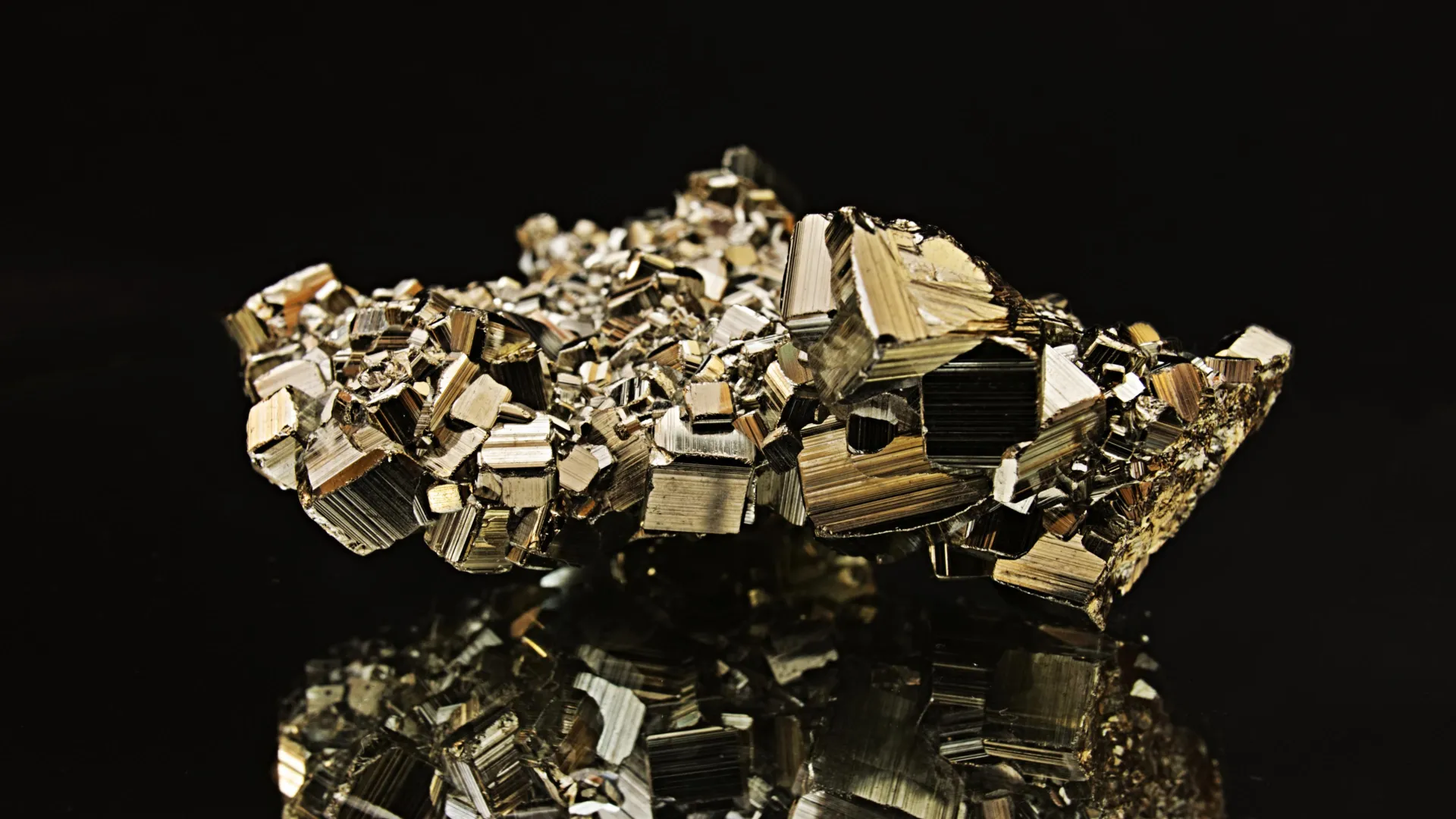
Shale is a fine-grained rock that often contains organic material and may also contain minerals such as pyrite. Pyrite, also known as “fool’s gold” for its metallic shine, is an iron sulfide mineral commonly found in sedimentary environments.
What the researchers discovered was unexpected. The team detected large amounts of lithium in pyrite within the shale, which is “unprecedented,” said Shailee Bhattacharya, a sedimentary geochemist and doctoral student working with Professor Shikha Sharma in West Virginia University’s IsoBioGeM lab.
Lithium and pyrite: an unusual combination
The discovery is notable because there has been little previous research linking lithium to sulfur-rich minerals like pyrite. Most geological studies focus on lithium in completely different types of deposits. However, lithium-sulfur battery technology is of increasing interest in the fields of engineering and materials science because it may offer advantages over current lithium-ion designs in the future.
“We’re trying to understand how lithium and pyrite are related to each other,” Bhattacharyya explained. This question points to a gap in scientific knowledge about how lithium behaves in specific geological settings.
Could shale become a new source of lithium?
The findings suggest that organic-rich shales may be able to accommodate lithium in a previously unrecognized way. If so, these rocks could represent a new type of lithium resource. As shale formations are widespread, this could have important implications for future supply.
At the same time, research is still in its early stages. This result was obtained from a limited number of samples taken from a specific location, and it is not yet clear whether similar patterns exist elsewhere. “This is a very specific study,” Bhattacharya cautioned.
Despite such uncertainties, this work offers interesting possibilities. Recovery of lithium from shale and industrial waste could reduce the need for new mining. This helps reduce environmental impact while supporting the continued growth of clean energy technologies.
“You can talk about sustainable energy without using a lot of energy resources,” Bhattacharyya said.
