


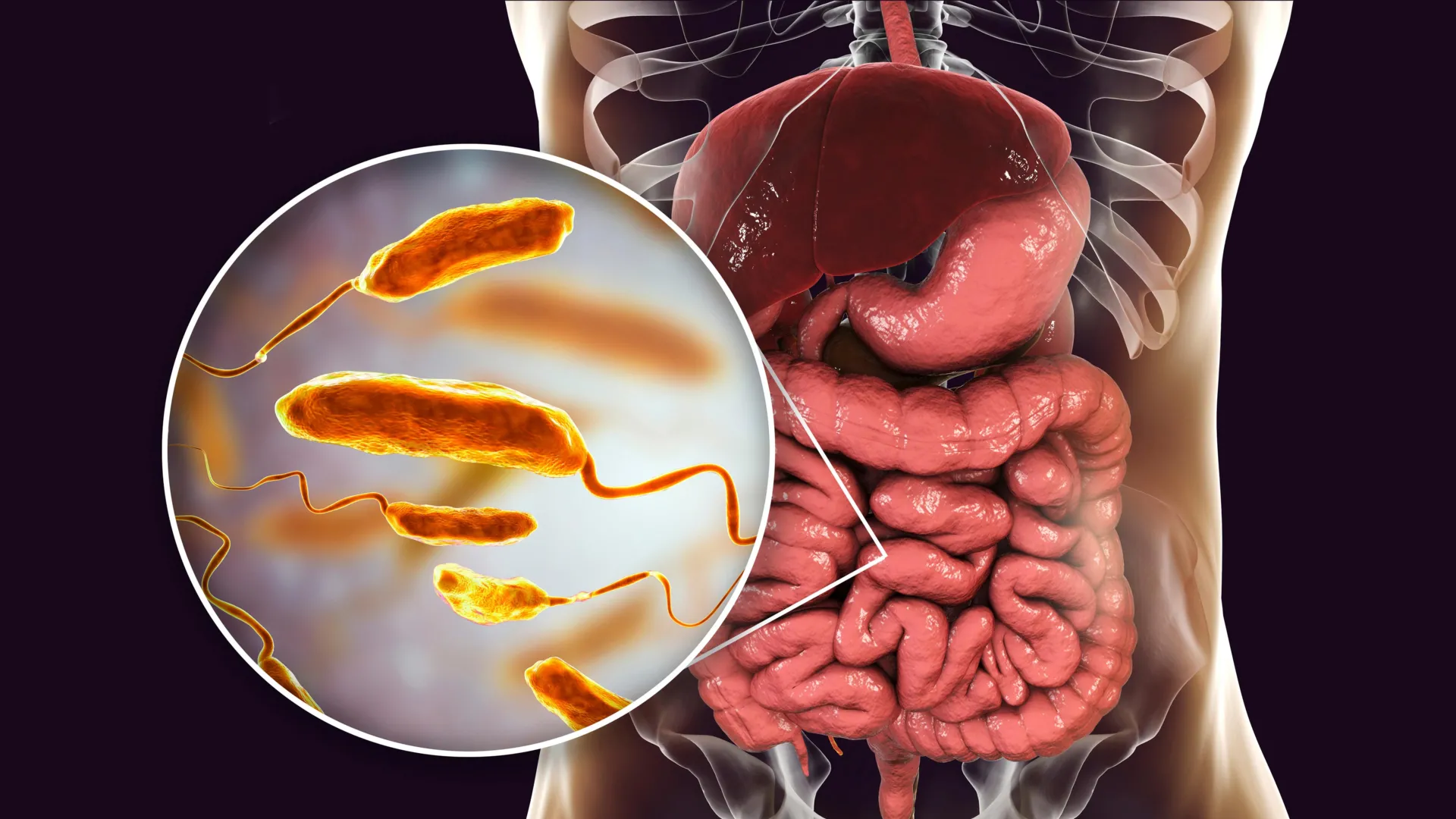
Cholera is a dangerous bacterial infection that causes severe diarrhea and can be fatal if untreated, but it can be significantly reduced through diet. A new study from the University of California, Riverside suggests that consuming more protein may help limit the ability of infectious diseases to take hold in the body.
The study found that a diet rich in casein, the main protein found in milk and cheese, and wheat gluten significantly reduced the amount of Vibrio cholerae colonizing the intestines.
“I wasn’t surprised that diet could affect the health of people infected with bacteria, but I was surprised by the magnitude of the effect,” said Ansel Hsiao, associate professor of microbiology and plant pathology at UCR and lead author of the study published in 2006. Cell hosts and microorganisms.
“We found up to a 100-fold difference in cholera colonization as a function of diet alone,” Hsiao said.
Testing different diets against cholera infection
Scientists have long known that diet shapes the community of microorganisms that live in your gut. In this study, researchers wanted to see if harmful disease-causing bacteria also responded to dietary changes.
To test this, infected mice were fed different diets. Some are rich in protein, some rich in simple carbohydrates, and some high in fat. The results were amazing. A high-fat diet had little effect on infection, and a high-carbohydrate diet had only a small effect. In contrast, a diet rich in milk protein and wheat gluten almost completely prevented bacteria from colonizing the intestine.
“A high-protein diet had one of the strongest anti-cholera effects compared to a balanced diet. Also, not all proteins are the same,” Xiao said. “Casein and wheat gluten were two clear winners.”
How proteins kill Vibrio cholera
Further research has revealed why these proteins are so effective. They interfere with small syringe-like structures on the surface of the cholera bacterium that are used to inject toxins into nearby cells. This structure, known as the type 6 secretion system (T6SS), helps bacteria compete with other microorganisms to dominate the intestines.
When this system is suppressed, cholera has a hard time killing competing bacteria and cannot easily take over the intestinal environment.
Potential for low-cost alternatives to antibiotics
Cholera remains a serious public health concern, particularly in areas with limited access to clean water, such as parts of Asia and sub-Saharan Africa. Standard treatment focuses on hydration, but while antibiotics can shorten the disease, they cannot eliminate remaining toxins.
There is also concern about the emergence of drug-resistant bacteria due to overuse of antibiotics. Although antibiotic-resistant cholera is not currently endemic, bacteria can quickly adapt and treatments can become less effective over time.
“Dietary strategies don’t create antibiotic resistance in the same way that drugs do,” Hsiao says.
Therefore, dietary therapy may provide a safer and more affordable way to reduce the severity and likelihood of infection, especially in vulnerable populations.
“Wheat gluten and casein are recognized as safe in a regulatory sense, unlike microorganisms, so this is an easier way to protect public health,” Hsiao said.
What does this mean for humans?
Although this finding is based on studies in mice, researchers believe similar effects may occur in humans. Dr. Hsiao plans to investigate how these dietary changes affect the human gut microbiome and whether they also help protect against other infectious bacteria.
“Some diets will be more successful than others, but I think if we try this against pathogens other than cholera, we might also see beneficial effects,” Hsiao said. “The more we improve people’s diets, the more we may be able to protect them from disease.”
