


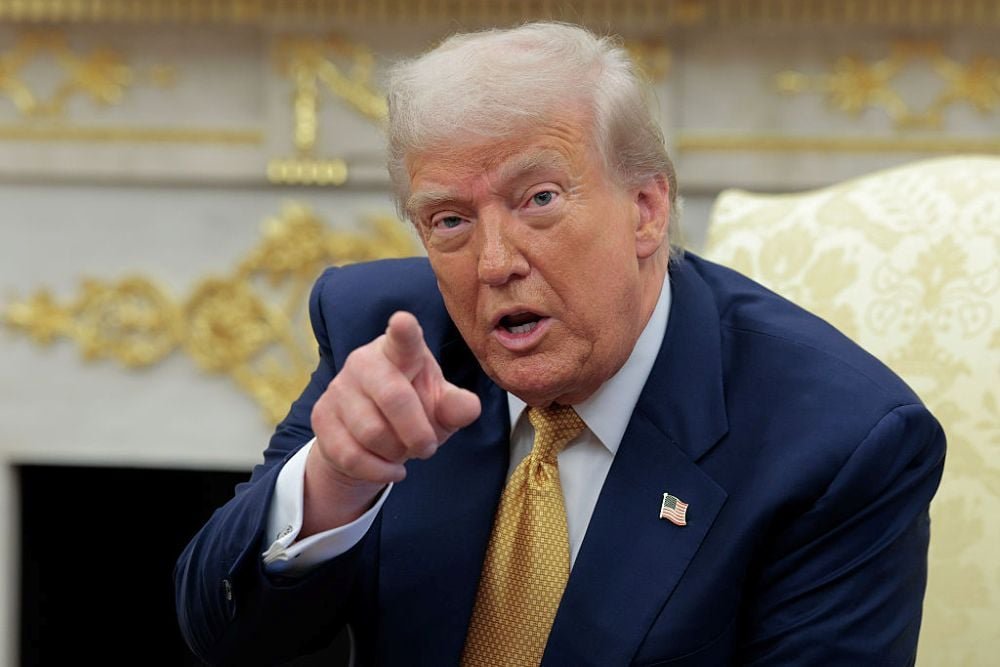
A year after unveiling his “Emancipation Day” trade policy initiative, U.S. President Donald Trump plans to announce 100% tariffs on some medical products imported from abroad, Bloomberg reported, citing unnamed sources with knowledge of the plan.
The report says there may be exemptions for certain drugs and treatments for certain diseases.
The tariffs do not apply to companies that have most-favored-nation (MFN) drug pricing agreements with the White House, the report said. In these agreements, companies generally agreed to invest in the United States and lower prices for certain U.S. drugs in exchange for three years of tax exemptions. A number of drug companies have also pledged to offer some of their products on the government’s direct-to-patient purchasing platform TrumpRx.
While nearly all of the world’s largest biopharmaceutical companies have MFN agreements with the United States, many smaller pharmaceutical companies have not yet and could be significantly affected by 100% tariffs.
In February, 10 companies launched the Mid-Cap Biotechnology Alliance of America (MBAA) to challenge MFN pricing policies. The alliance, which includes biotech companies such as Alnylam, BioMarin, Madrigal and Travere, argues that member countries lack the flexibility to enter into MFN contracts with governments or the financial wherewithal to build manufacturing facilities in the United States. Many of these companies have only one or two products on the market.
In addition to the complex tariff implications, there are also agreements the Trump administration has struck with countries and the European Union. These agreements will not be annulled by the new levy, the Financial Times reports.
Endpoints News cites a draft document detailing the pricing plans and reports that rates could be as low as 10% to 20% in some cases.
Last December, the United States signed a deal with the United Kingdom to exempt medicines and drug ingredients manufactured in the United Kingdom from customs duties in exchange for a 25% increase in the net price the National Health Service (NHS) pays for new treatments. On Thursday, the UK agreed to the full text of the deal, becoming the only country in the world exempt from US drug tariffs.
The administration also has agreements with Switzerland, Japan and the European Union that cap the U.S. import tariffs on many items, including pharmaceuticals, at 15% and largely exempt generic drugs from tariffs.
President Trump’s attempt to impose 100% tariffs is reportedly unaffected by the Supreme Court’s decision in February barring the use of emergency powers to impose tariffs.
Pharmaceutical giants AbbVie and Johnson & Johnson reached agreements with the White House in January, and of the 17 companies that received letters from the administration last July urging them to join the most-favored-nation pricing initiative, Regeneron was the only one not to reach an agreement.
