


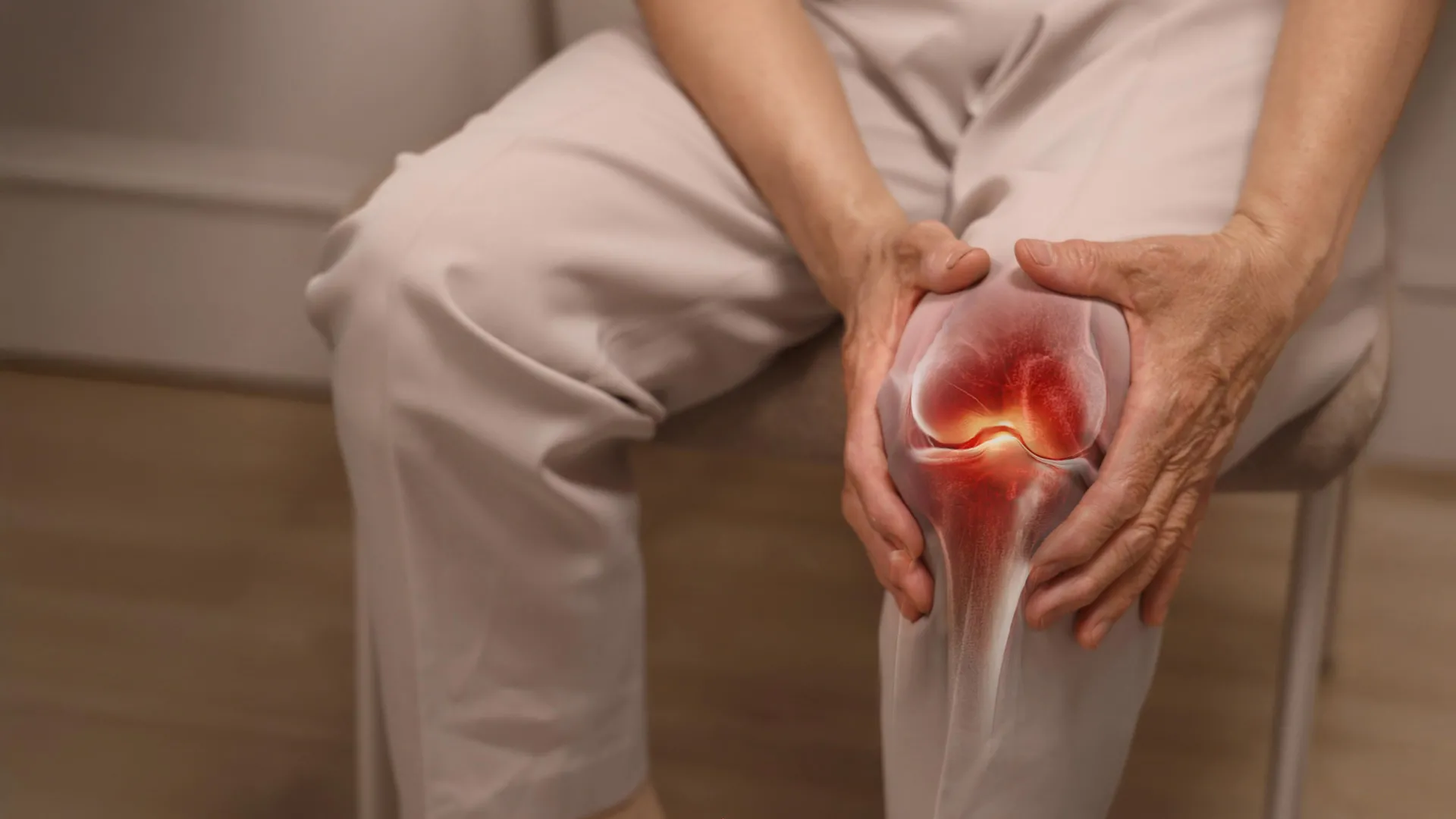
A new large-scale analysis identifies knee braces, hydrotherapy, and exercise as the most effective non-pharmacological treatments for managing knee osteoarthritis. This finding comes from a meta-analysis published in an open access journal pro swan.
Knee osteoarthritis (KOA) is a widespread and often disabling condition that affects millions of older adults. This causes ongoing pain and stiffness in the knee joint, making daily activities difficult. Many patients rely on anti-inflammatory drugs, but these drugs can come with risks, including gastrointestinal and cardiovascular side effects.
Large-scale study comparing 12 non-drug treatments
To better understand which non-drug treatments are most effective, researchers analyzed data from 139 clinical trials involving approximately 10,000 participants. The study compared 12 different treatments including laser therapy, electrical stimulation, knee braces, orthotics, kinesiology tape, water-based treatments, exercise, and ultrasound.
By combining the results of all these studies using network meta-analysis, the researchers were able to rank each treatment based on its effectiveness.
knee braces, hydrotherapy and exercise leads
Knee braces ranked highest overall and were highly effective in reducing pain, improving joint function, and relieving stiffness. Hydrotherapy (exercises and treatments performed in warm water) was particularly helpful in reducing pain. Regular exercise also had consistent effects, improving both pain levels and physical function.
Some advanced treatments, such as high-intensity laser therapy and shock wave therapy, have produced modest improvements. In contrast, ultrasound consistently ranks as the least effective option.
Research limitations and future research
The researchers noted that differences in study design, small sample sizes in some trials, and differences in the length of time used for treatment may affect the accuracy of the rankings. Still, the overall findings suggest that the physical therapy approach offers meaningful benefits without the risks associated with anti-inflammatory drugs.
Future studies should investigate how combining different treatments can further improve outcomes and whether these approaches are cost-effective in real-world treatment.
A safer alternative to painkillers
The authors added: “Knee braces, hydrotherapy, and exercise are the most effective non-pharmacological treatments for knee osteoarthritis. They reduce pain and improve mobility without the gastrointestinal and cardiovascular risks associated with common pain medications. Patients and clinicians should prioritize these evidence-based options.”
“Our analysis of nearly 10,000 patients reveals that simple, accessible treatments such as knee immobilization and water-based exercises are more effective than high-tech treatments such as ultrasound. This could reshape clinical guidelines to focus on safer, lower-cost interventions.”
