

Close Menu

    Subscribe to Updates

    Get the latest creative news from FooBar about art, design and business.

    What's Hot

    Musicians show a small but steady advantage in sustained attention from childhood to adulthood

    May 14, 2026

    Supreme Court upholds access to mifepristone while litigation continues

    May 14, 2026

    Making instant judgments about dating apps can hurt your sense of worth as a partner.

    May 14, 2026
    Facebook X (Twitter) Instagram
    Facebook X (Twitter) Instagram
    Health Magazine
    • Home
    • Environmental Health
    • Health Technology
    • Medical Research
    • Mental Health
    • Nutrition Science
    • Pharma
    • Public Health
    • Discover
      • Daily Health Tips
      • Financial Health & Stability
      • Holistic Health & Wellness
      • Mental Health
      • Nutrition & Dietary Trends
      • Professional & Personal Growth
    • Our Mission
    Health Magazine
    Home » News » Pink noise worsens sleep quality when used to block out traffic and city noise
    Mental Health

    Pink noise worsens sleep quality when used to block out traffic and city noise

    healthadminBy healthadminMarch 28, 2026No Comments3 Mins Read
    Pink noise worsens sleep quality when used to block out traffic and city noise
    Share
    Facebook Twitter Reddit Telegram Pinterest Email


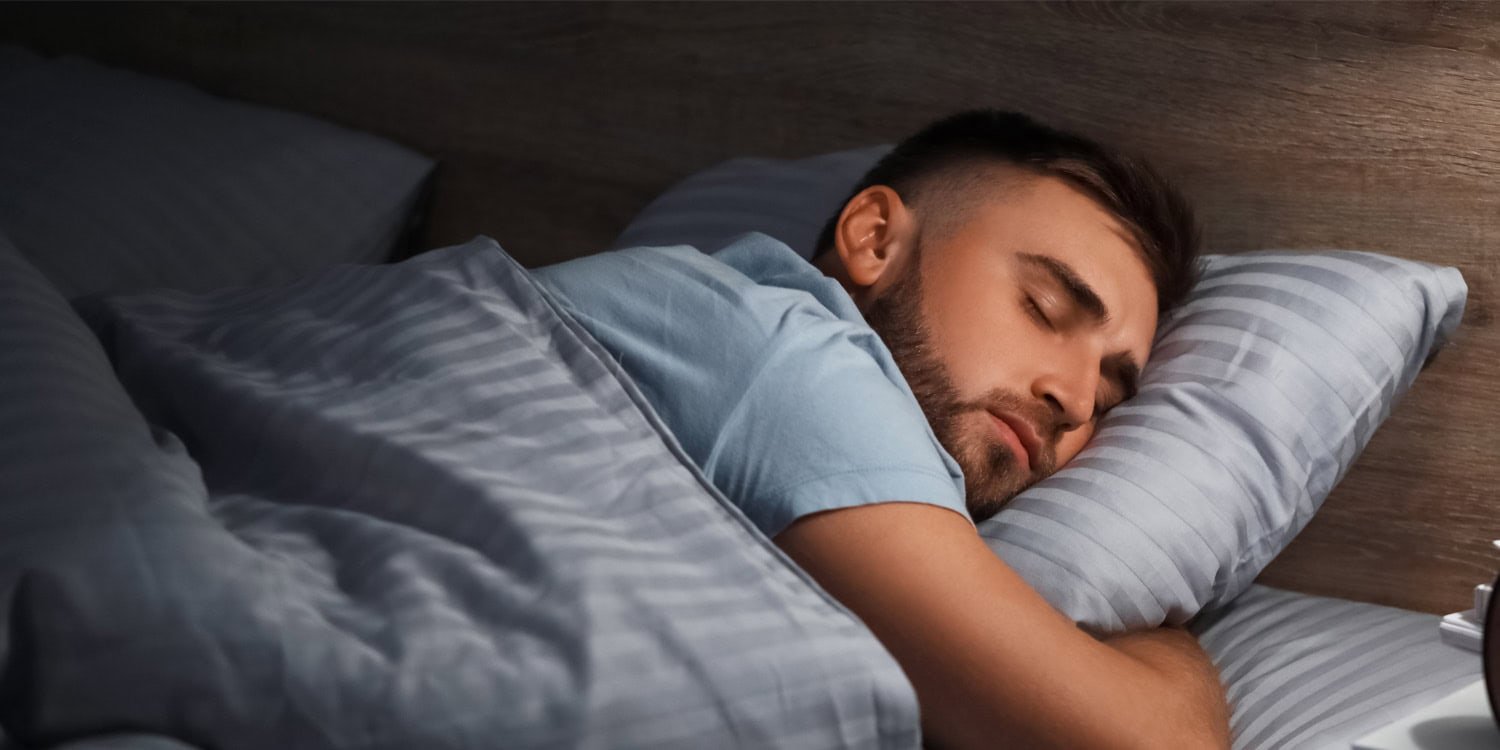
    While pink noise, often touted as a sleep aid, can actually make your sleep worse by reducing REM sleep, a new study published in 2012 found that simple foam earplugs offer much better protection against nighttime noise. sleep.

    Environmental noise, such as traffic, aircraft, and alarms, is known to disrupt sleep and cause long-term health problems. Deep sleep is particularly vulnerable, and chronic sleep disruption is associated with cardiovascular disease, metabolic disorders, and daytime dysfunction. At the same time, broadband noise, such as pink noise and white noise, is marketed as a way to mask unwanted sounds and promote rest. Despite the popularity of broadband noise, the scientific evidence supporting it as a sleep promoter is surprisingly thin.

    Researchers led by Matthias Basner of the University of Pennsylvania designed a tightly controlled seven-day sleep experiment in 25 healthy adults (seven men) with an average age of 28.5 years. Each participant slept under different conditions, including a quiet night, a night with intermittent environmental noise (such as the sound of a car or train), a night with just continuous pink noise, and a night with a combination of environmental noise and earplugs or continuous pink noise (at two different volumes).

    Each night was monitored using complete polysomnography, the gold standard for measuring sleep stages, and cognitive tests, cardiovascular measurements, audiometry, and surveys were performed in the morning.

    Environmental noise alone significantly reduced deep sleep (by 23.4 minutes on average), replacing restorative deep sleep with lighter sleep stages. Interestingly, the pink noise didn’t help, instead creating its own problems. Pink noise was found to be associated with an average reduction of 18.6 minutes in REM sleep, a sleep stage important for memory, emotional regulation, and brain development.

    Sleep was further disrupted when pink noise was added to the environmental noise. Participants had less deep sleep, less REM sleep, more time awake, and an overall decrease in sleep efficiency. Apparently, pink noise not only failed to protect sleep from environmental noise, but also worsened sleep architecture.

    Earplugs gave completely different results. The foam earplugs used in the study restored most of the deep sleep lost to environmental noise and restored about 72% of the loss of deep sleep. On nearly every sleep measure, nights with earplugs appeared to be statistically indistinguishable from quiet control nights. Participants also reported feeling more rested and less fatigued than on nights with environmental noise (regardless of whether it was masked with pink noise or not).

    The authors concluded that the negative effects of pink noise on REM sleep are a warning against widespread and indiscriminate use of broadband noise. They specifically recommended against general use in newborns and young children, noting that REM sleep is important for neurodevelopment in these age groups, although further confirmatory studies are needed.

    Research has limitations. For example, this experiment was only conducted for a short period of time, only healthy young people participated, and only two levels of pink noise were tested. Real-world environments are more complex and long-term effects are still unknown.

    The study, “Efficacy of pink noise and earplugs in reducing the effects of intermittent environmental noise exposure on sleep,” was authored by Mathias Basner, Michael G. Smith, Makayla Cordoza, Matthew S. Kayser, Michele Carlin, Adrian J. Ecker, Yoni Gilad, Sierra Park‑Chavar, Ka’alana Rennie, Victoria Schneller, Sinead Walsh, and Haochang. Shaw, Cui Kao, Magdy Younes, Daniel Eschbach, and Christopher W. Jones.


    Source link

    Visited 4 times, 1 visit(s) today
    Share. Facebook Twitter Pinterest LinkedIn Telegram Reddit Email
    Previous ArticleCo-occurrence of depression and cannabis use is associated with decreased efficiency of brain networks
    Next Article Research reveals countries with strong beliefs about masculinity tend to be less happy
    healthadmin

    Related Posts

    Musicians show a small but steady advantage in sustained attention from childhood to adulthood

    May 14, 2026

    Making instant judgments about dating apps can hurt your sense of worth as a partner.

    May 14, 2026

    Women score higher than men on fluid intelligence tests when they can express uncertainty.

    May 14, 2026

    Brain cells store competing memories that promote or inhibit alcohol relapse

    May 14, 2026

    Real-world evidence shows that generative AI is making human creative output more uniform

    May 14, 2026

    Americans systematically overestimate the number of social media users who engage in harmful behavior online

    May 14, 2026
    Add A Comment

    Comments are closed.

    Categories

    • Daily Health Tips
    • Discover
    • Environmental Health
    • Exercise & Fitness
    • Featured
    • Featured Videos
    • Financial Health & Stability
    • Fitness
    • Fitness Updates
    • Health
    • Health Technology
    • Healthy Aging
    • Healthy Living
    • Holistic Healing
    • Holistic Health & Wellness
    • Medical Research
    • Medical Research & Insights
    • Mental Health
    • Mental Wellness
    • Natural Remedies
    • New Workouts
    • Nutrition
    • Nutrition & Dietary Trends
    • Nutrition & Superfoods
    • Nutrition Science
    • Pharma
    • Preventive Healthcare
    • Professional & Personal Growth
    • Public Health
    • Public Health & Awareness
    • Selected
    • Sleep & Recovery
    • Top Programs
    • Weight Management
    • Workouts
    Popular Posts
    • 1773313737_bacteria_-_Sebastian_Kaulitzki_46826fb7971649bfaca04a9b4cef3309-620x480.jpgHow Sino Biological ProPure™ redefines ultra-low… March 12, 2026
    • the-pros-and-cons-of-paleo-dietsThe Pros and Cons of Paleo Diets: What Science Really Says April 16, 2025
    • pexels-david-bartus-442116The food industry needs to act now to cut greenhouse… January 2, 2022
    • 1773729862_TagImage-3347-458389964760995353448-620x480.jpgDespite safety concerns, parents underestimate the… March 17, 2026
    • Improve Mental Health10 Science-Backed Practices to Improve Mental Health… March 11, 2025
    • 1773209206_futuristic_techno_design_on_background_of_supercomputer_data_center_-_Image_-_Timofeev_Vladimir_M1_4.jpegMulti-agent AI systems outperform single models… March 11, 2026

    Demo
    Stay In Touch
    • Facebook
    • Twitter
    • Pinterest
    • Instagram
    • YouTube
    • Vimeo
    Don't Miss

    Musicians show a small but steady advantage in sustained attention from childhood to adulthood

    By healthadminMay 14, 2026

    Learning a musical instrument may strengthen your attention and alertness from childhood to adulthood, according…

    Supreme Court upholds access to mifepristone while litigation continues

    May 14, 2026

    Making instant judgments about dating apps can hurt your sense of worth as a partner.

    May 14, 2026

    Eli Lilly contributes $50 million to UNICEF’s childhood health initiatives

    May 14, 2026

    Subscribe to Updates

    Get the latest creative news from SmartMag about art & design.

    HealthxMagazine
    HealthxMagazine

    At HealthX Magazine, we are dedicated to empowering entrepreneurs, doctors, chiropractors, healthcare professionals, personal trainers, executives, thought leaders, and anyone striving for optimal health.

    Our Picks

    Eli Lilly contributes $50 million to UNICEF’s childhood health initiatives

    May 14, 2026

    Epic, Cleveland Clinic joins CMS preclearance effort

    May 14, 2026

    After 100 years, scientists finally uncover the hidden laws behind cosmic rays

    May 14, 2026
    New Comments
      Facebook X (Twitter) Instagram Pinterest
      • Home
      • Privacy Policy
      • Our Mission
      © 2026 ThemeSphere. Designed by ThemeSphere.

      Type above and press Enter to search. Press Esc to cancel.