


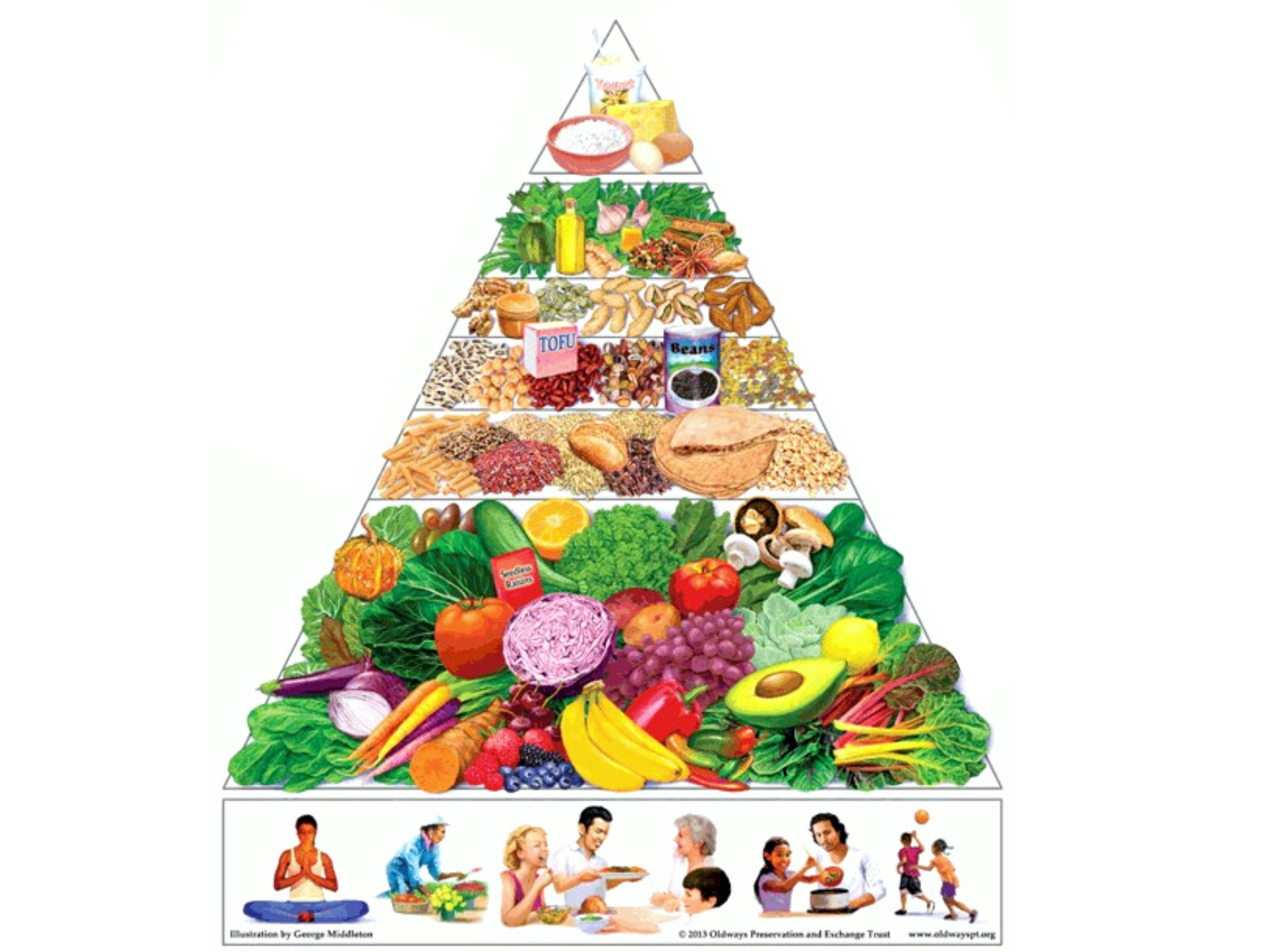
The 2025-2030 Dietary Guidelines for Americans deliver mixed messages that challenge dietitians, researchers, and preventative specialists. Progress shines in stricter added sugars limits—no safe amount recommended, delaying intake until age 10—and explicit calls to limit highly processed foods, aligning with metabolic health nutrition goals by prioritizing whole vegetables, fruits, and fiber-rich grains.
Yet critiques abound. The inverted pyramid visually elevates steak, butter, and full-fat dairy, clashing with saturated fats guidelines holding at 10% of calories. Harvard’s analysis warns this protein hype—boosting recommendations to 1.2-1.6g/kg body weight—ignores source quality, favoring red meat over plant proteins linked to better outcomes https://nutritionsource.hsph.harvard.edu/2026/01/09/dietary-guidelines-for-americans-2025-2030/.
AHA endorses veggie/fruit emphasis for CVD prevention but cautions against red meat and salt overconsumption, urging low-fat dairy https://newsroom.heart.org/news/releases-20260107-6915862. ACC highlights whole foods for heart health https://www.acc.org/latest-in-cardiology/articles/2026/01/07/22/46/hhs-and-fda-release-new-dietary-guidelines-for-americans.
JAMA notes policy shifts’ broad impacts https://jamanetwork.com/journals/jama-health-forum/fullarticle/2845870. For clarity, anchor in evidence: Mediterranean patterns reduce cardiometabolic risk; prioritize precision over hype.
Emerging Trends in Metabolic Health: Fiber, GLP-1s, and Mediterranean Patterns
The 2025-2030 Dietary Guidelines prioritize whole vegetables and fruits, fueling 2026 trends in metabolic health nutrition. Expert surveys pinpoint fiber intake metabolic health as paramount, with 38% naming increased fiber the top chronic disease reducer via gut-metabolic links and insulin sensitivity gains https://health.usnews.com/wellness/articles/top-health-and-nutrition-trends-for-2026.
“Fiber maxing” surges, emphasizing diversity from legumes, seeds, and whole grains over quantity alone. Aligning with guidelines’ refined carbs cuts, this supports short-chain fatty acid production, reducing inflammation—critical for T2D prevention per ADA Standards of Care 2026 https://www.beckydorner.com/2026-standards-of-care-in-diabetes-rdns/. Food Institute forecasts fiber-focused metabolic eating prioritizing gut health https://foodinstitute.com/focus/diet-trends-to-watch-in-2026-metabolic-eating-gut-health-prioritized/.
GLP-1 medications diet dominates, voted top trend by 52% for cardiometabolic expansion beyond obesity—heart, kidney benefits via precision nutrition https://health.usnews.com/wellness/articles/top-health-and-nutrition-trends-for-2026. NIH’s FY2026-2030 plan advances personalized responses, syncing with guidelines’ individualized advice https://dpcpsi.nih.gov/sites/default/files/2025-06/ONR-Strategic-Plan-Internal-508.pdf.
Mediterranean diet evidence reigns: 69% experts favor for weight management, CVD risk reduction. Legume-heavy patterns match guidelines’ whole foods push, outperforming in long-term adherence and outcomes https://health.usnews.com/wellness/articles/top-health-and-nutrition-trends-for-2026. For preventative specialists, integrate via medical nutrition therapy diabetes, leveraging fiber, GLP-1s alongside patterns for optimal metabolic health.
Precision Nutrition and Clinical Interventions: ADA Standards to Future Directions
The 2025-2030 Dietary Guidelines advocate individualized patterns, dovetailing with ADA Standards of Care 2026 for precision nutrition in medical nutrition therapy diabetes. RDNs lead person-centered MNT, integrating cultural practices, affordability, and CGM data for T2D/cardiometabolic management.
Step-by-step clinical application:
-
Assess comprehensively: Values, comorbidities, food access; target 5-7% weight loss via Mediterranean/low-carb patterns per ADA.
-
Personalize interventions: Fiber intake metabolic health via legumes (15-20g protein equivalents); limit added sugars per guidelines; GLP-1 medications diet for obesity/T1D, titrating to preserve lean mass.
-
Leverage technology: CGM interprets meal glucose; adjust timing/distribution, avoiding anxiety.
-
Monitor comorbidities: CKD/heart—coordinate protein/sodium; older adults 0.8-1.5g/kg protein.
Troubleshoot pitfalls: GLP-1 undernutrition—regular intake checks; behavioral distress—refer DSMES/behavioral health.
NIH’s FY2026-2030 plan enhances precision via nutritional ecology, biomarkers https://dpcpsi.nih.gov/sites/default/files/2025-06/ONR-Strategic-Plan-Internal-508.pdf.
Actionable next steps:
- Implement telehealth DSMES.
- Track outcomes with CGM/A1c.
- Collaborate interdisciplinary.
FAQ:
Q: Integrate 2025-2030 Dietary Guidelines with ADA? A: Align whole foods, sugars limits with MNT.
Q: GLP-1 nutrition risks? A: Monitor macros, fiber for adherence.
Sources
- https://nutritionsource.hsph.harvard.edu/2026/01/09/dietary-guidelines-for-americans-2025-2030/
- https://jamanetwork.com/journals/jama-health-forum/fullarticle/2845870
- https://www.acc.org/latest-in-cardiology/articles/2026/01/07/22/46/hhs-and-fda-release-new-dietary-guidelines-for-americans
- https://health.usnews.com/wellness/articles/top-health-and-nutrition-trends-for-2026
- https://dpcpsi.nih.gov/sites/default/files/2025-06/ONR-Strategic-Plan-Internal-508.pdf
- https://www.beckydorner.com/2026-standards-of-care-in-diabetes-rdns/
- https://blog.myfitnesspal.com/nutrition-trends-2026-rd-predictions/
- https://www.sciencedaily.com/releases/2025/12/251228020018.htm
- https://foodinstitute.com/focus/diet-trends-to-watch-in-2026-metabolic-eating-gut-health-prioritized/
- https://newsroom.heart.org/news/releases-20260107-6915862
