


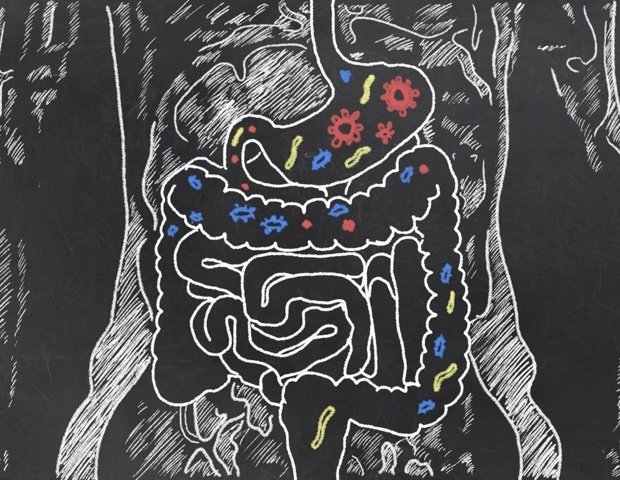
Vitamin D supplementation may help shape the immune system’s response to gut bacteria in people with inflammatory bowel disease (IBD), according to a Mayo Clinic-led study published in Cell Reports Medicine.
The findings provide new insights into how the immune system and gut microbiota interact in this chronic disease and suggest potential new therapeutic strategies.
IBD, which includes Crohn’s disease and ulcerative colitis, affects millions of people worldwide. This condition is caused in part by the immune system reacting to normally harmless bacteria in the intestines and reflects a breakdown known as immune tolerance.
Although many current treatments focus on reducing inflammation, little is understood about how to restore a balanced interaction between the immune system and the gut microbiome.
This study suggests that vitamin D may help rebalance how the immune system perceives gut bacteria. This is an important step toward understanding how to restore immune tolerance in IBD. ”
Dr. John Mark Gubatan, lead author, gastroenterologist at Mayo Clinic, Florida
In this study, researchers evaluated 48 IBD patients with low vitamin D levels. Participants took vitamin D supplements weekly for 12 weeks. Blood and stool samples taken before and after treatment were analyzed using advanced sequencing to map interactions between the immune response and the gut microbiome.
Vitamin D supplementation was associated with increases in immunoglobulin A (IgA) levels, which are usually associated with protective immune responses, and decreases in immunoglobulin G (IgG) levels, which are often associated with inflammation. The researchers also observed changes in immune signaling pathways and increased activity of regulatory immune cells that help control inflammation.
Taken together, these findings suggest that vitamin D may help promote a more balanced protective immune response to the gut microbiota.
Vitamin D supplementation was also associated with improvements in disease activity scores and stool-based inflammatory markers. However, the researchers stress that the study was small and not aimed at establishing cause and effect.
“While there were encouraging signs, this was not a randomized trial,” Dr. Gubatan says. “These findings need to be confirmed in larger controlled studies.”
Researchers caution that patients should not change their vitamin D usage without their doctor’s guidance.
“Vitamin D is widely available, but doses must be individualized, especially for patients with chronic inflammation,” Dr. Gubatan added. “Patients need to work with their medical team.”
This research was supported by grants from the Doris Duke Physician Scientist Fellowship Award (grant #2021091), the Chan Zukcerberg Biohub Physician Scientist Scholar Award, and the National Institutes of Health (NIH) NIDDK LRP Award (2L30 DK126220).
sauce:
Reference magazines:
Guard, J. others. (2026). Multi-omics reveals vitamin D regulation of immune-gut microbiota interactions and tolerogenic pathways in inflammatory bowel disease. cell report medicine. DOI: 10.1016/j.xcrm.2026.102703. https://www.cell.com/cell-reports-medicine/fulltext/S2666-3791(26)00120-5
