


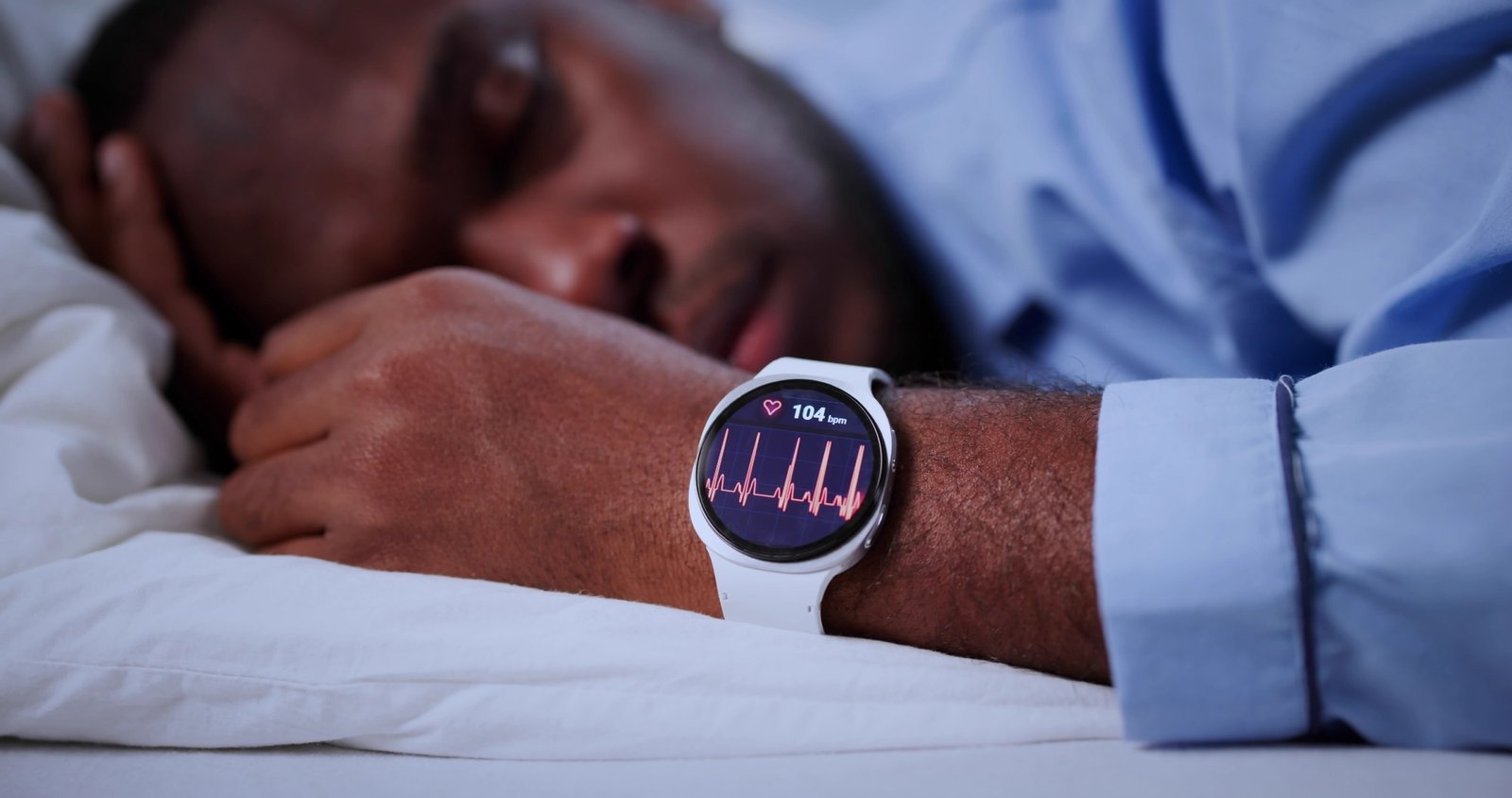
Sleep apps promise better rest through data-driven insights, but they can also increase anxiety in some users, a new study has found. So who really benefits?
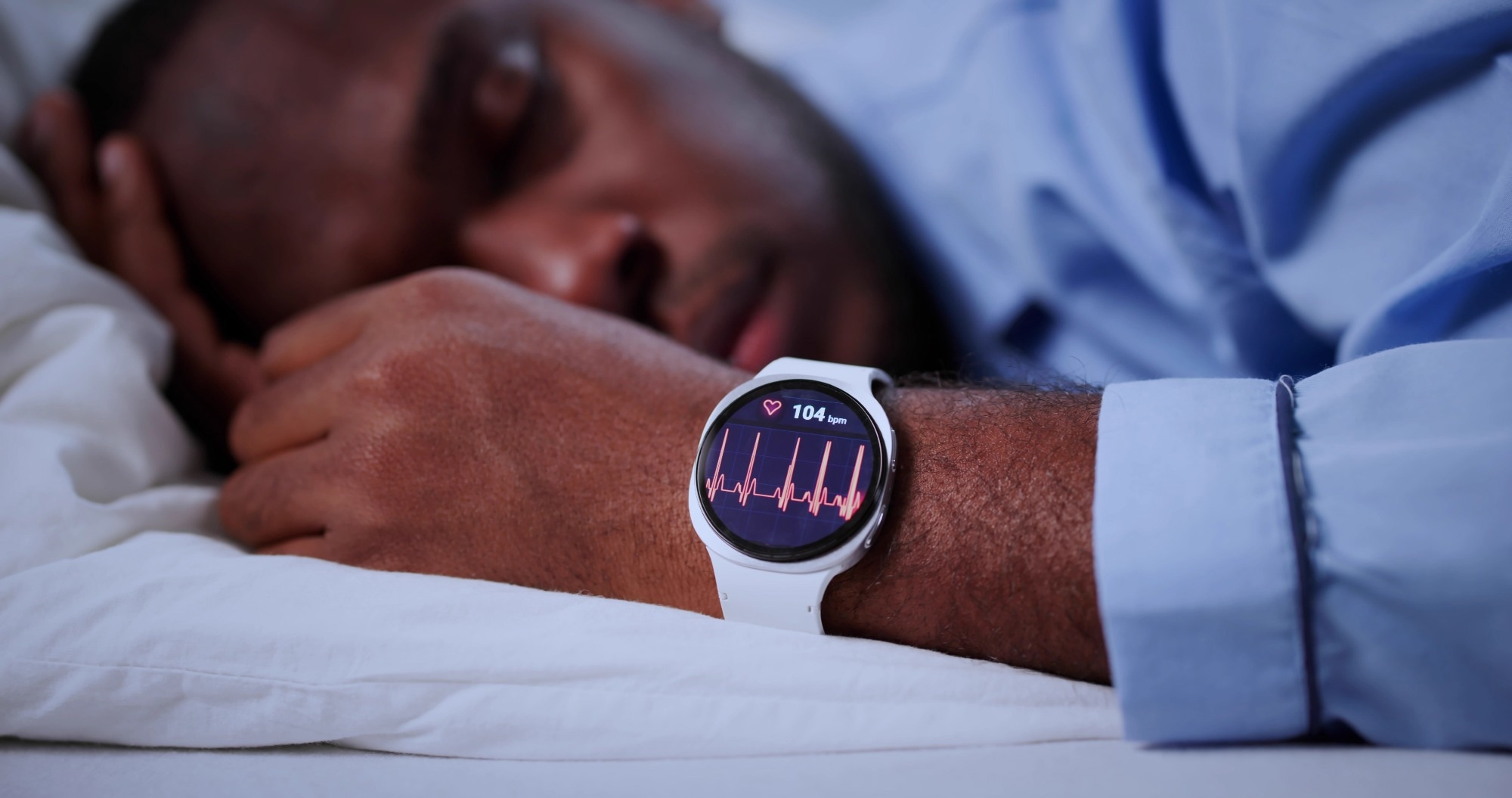 Study: Sleep in the Age of Technology: Sleep App Use and Perceived Impact on Sleep and Sleep Habits. Image credit: Andrey_Popov/Shutterstock.com
A sleep app is a computer application that tracks an individual’s sleep. However, opinions are divided about its usefulness. Research published in frontiers of psychology We found that despite mostly positive experiences, some subgroups reported partially negative affect.
How sleep apps track and interpret your nightly data
Sleep apps are becoming extremely popular among people interested in sleep and general health. There are smartphone-based and dedicated apps, both of which use wearable sensors embedded in smartwatches or fitness bands to measure physiological inputs such as pulse, body temperature, and movement. These are analyzed using predefined algorithms that produce outputs such as sleep latency, duration, and efficiency. Some apps also report on sleep stages and sleep quality. These apps may suggest ways to improve your sleep or provide potential diagnostic considerations.
Existing research suggests that if wearable sensor data is out of sync with the user’s perception or highlights sleep issues, it can upset the user and increase sleep-related anxiety. This can lead to poor sleep quality and promote “orthosomnia,” which is “excessive preoccupation with sleep.”
Demographic and gender-specific differences have been reported in how users interpret the output of sleep apps. Insomnia is more common in people with lower education and in women. Sleep for older people and women is more fragmented. Insomnia can make it difficult to fall asleep, stay asleep, or wake up repeatedly in the early morning. This often leads to increased attention and worry about sleep. Such people are also more likely to use sleep-promoting strategies, such as sleep apps.
There has been little research into the experiences of sleep app users, and the authors of this study hope to help fill this research gap. Differentiating experiences based on user characteristics could help predict who is likely to benefit from these apps. Customizing such apps to reduce potential harm may also be helpful.
Norwegian study examines sleep app use and perceptions
The study included 1,002 adults living in Norway and investigated their use of sleep apps and their effects. Approximately 20% completed the survey. The survey asked five questions each about sleep app usage, the types used, and the positive and negative effects experienced by using the app.
Almost half of adults report using sleep apps
The results showed that 46% of participants used sleep apps. They were more common among women and individuals under 50 years of age. This is consistent with the reported preference for health and nutrition apps among women and fitness apps among men.
Smartwatch-based apps were most commonly used. Utilization did not show any association with insomnia or educational background. This is an unexpected finding compared to previous studies and may reflect differences in motivations for app use, such as a general interest in health rather than clinical sleep problems.
Frequently reported positive effects included “I learned about my sleep” and “I found it useful,” with 48% and 43.5% of users agreeing with this statement, respectively. Again, 29% said apps have made them prioritize sleep. Only 15% said the app helped them sleep better.
Relatively few users reported experiencing adverse effects. The most commonly reported negative effects included “I became more worried about my sleep” (17.8%) and “I have some trouble sleeping” (14%). Most users disagreed with the negative statement: “Increased sleep-related stress.”
The average score for positive effects of sleep apps was 14.6 and the average score for negative effects was 10.8. These showed no association with gender. However, both scores were highest among the youngest participants (18-35 years old), suggesting that they were more influenced by sleep app use.
Six of the 10 effects measured on sleep app use were correlated with age. Older respondents, particularly the two oldest groups, agreed with 12% of respondents, especially the two oldest groups, on “I prioritize sleep,” compared to 43% of respondents under 35. When it comes to “improving sleep,” 5% of respondents aged 51-65 agreed, compared to 18% of respondents aged 18-50.
Previous research has shown that younger people are more likely to use electronic media in bed, which may contribute to this effect. They were also more influenced by negative comments about the app.
Only 2% of people aged 66 and over said they felt stressed about sleep, compared to about 20-23% of people aged 18 to 35, highlighting a significant difference by age. Similarly, younger participants were more likely to report concerns, such as feeling like something was wrong with their sleep or having increased anxiety.
People with insomnia often agree that there is something wrong with their sleep, but they disagree that the quality of their sleep is getting worse. However, this pattern was not consistent across all analyses. And these associations were not observed in adjusted regression models, suggesting a general tendency to worry about sleep in this subgroup.
The mean composite score on negative affect was inversely related to education and positively related to insomnia. More educated people were more likely to agree that “sleep is a priority,” but this was one of the few consistent associations observed across education levels.
Data-driven insights can inform but also mislead users
This finding suggests that, in contrast to younger users, older adults are less likely to use sleep apps and are less likely to be influenced by sleep apps. This may suggest that younger users are more involved in using healthcare apps, but are more sensitive to what they find.
Some analyzes suggest that insomniacs report more negative thoughts and anxiety related to apps. The authors believe that this may be due to increased attention to sleep deprivation, which, combined with persistent wakefulness, promotes the persistence of insomnia.
By the way, this pattern is Inconsistent across analyses, especially after adjusting for confounding variables. Need for further research. However, based on the overall findings, the researchers cautioned that “sleep apps may need to be more specifically tailored to individuals with sleep disorders.”
Citing previous research, the authors highlight that sleep apps inaccurately record sleep compared to users’ actual experiences and the gold standard method, polysomnography. “Therefore, sleep apps should not replace validated diagnostic sleep assessments.” Rather, they may be useful in screening for sleep disorders, although further research is needed to support this suggestion.
Research limitations
This study has some limitations. Due to the use of a self-selected panel, the sample may not be fully representative and participation may be biased. Data were collected solely by questionnaire without clinical interviews, increasing the possibility that sleep conditions similar to insomnia may be misclassified.
The relatively low response rate further increases the risk of selection bias. Furthermore, the survey questions were not formally validated and did not take into account the duration of sleep app use. Additionally, the cross-sectional design does not allow us to draw conclusions about causality or direction of effects.
Because all data are self-reported, our findings may be subject to replication bias and common method bias. Finally, sleep app use has been assessed as lifetime use, with limited insight into how duration of use or intensity of use may influence outcomes.
Sleep apps are widely used, but their effectiveness varies by user.
The study found that Norwegian residents frequently use sleep apps, with the majority being under 50 and women. Young people responded more strongly to feedback from sleep apps, regardless of whether the feedback was positive or negative. Conversely, those with less education were more sensitive to negative affect, similar to those with insomnia. The authors suggest that “it may be prudent to warn patients with sleep disorders about such use.”
Future research should focus on obtaining objective data from sleep apps and long-term data that would allow assessment of causal relationships, as well as the long-term effects of sleep app use on mental health and behavior.
Click here to download your PDF copy.
