


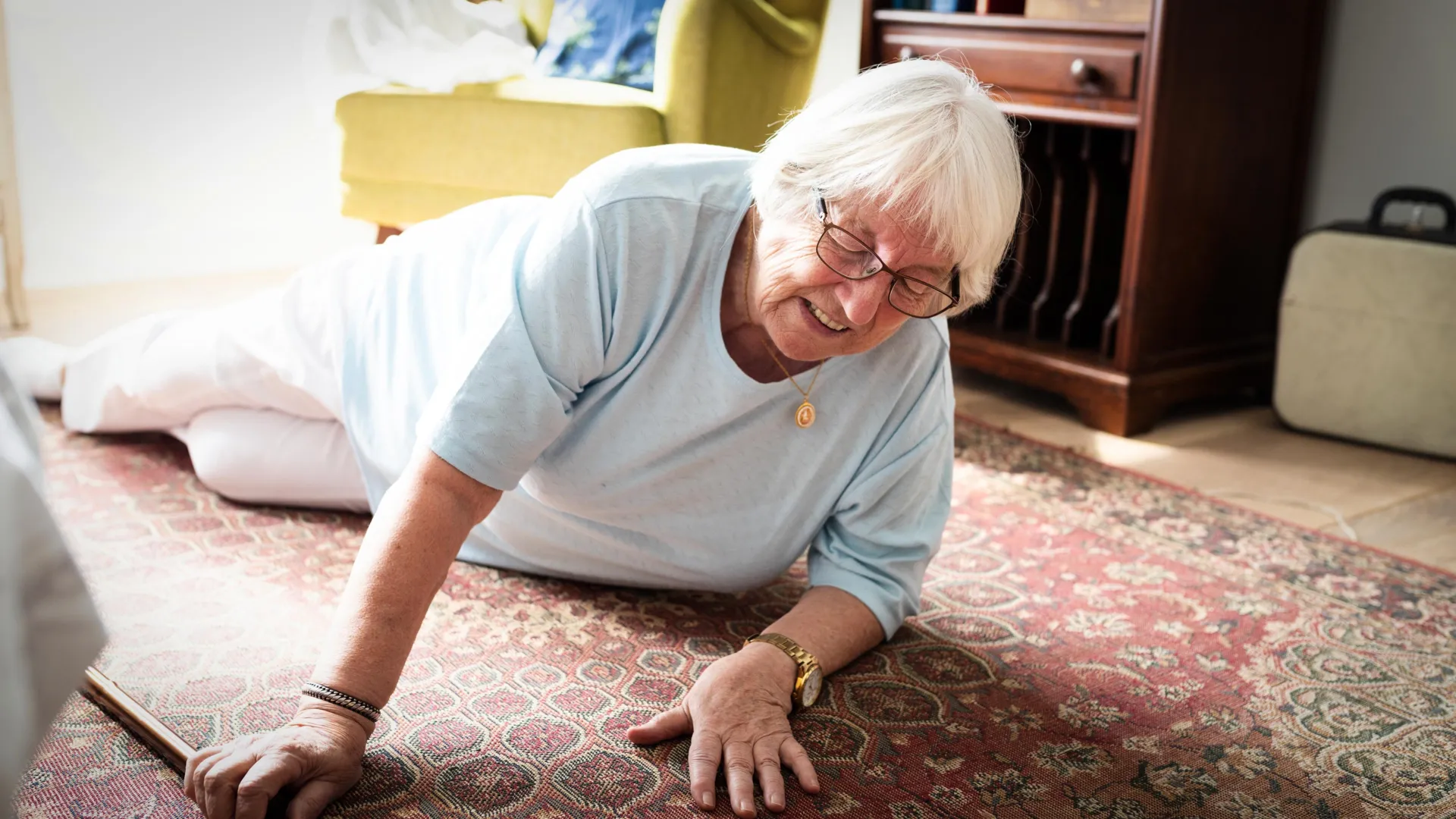
Lena Ting and her team at Emory University set out to understand how aging and Parkinson’s disease affect brain and muscle responses as people try to regain balance.
In previous experiments, researchers worked by suddenly destabilizing young people, essentially pulling the rug out from under their feet. This triggered a rapid and automatic response involving the brainstem and muscles. As the balance challenge became more acute, a second wave of activity followed, involving both the brain and muscles.
In the latest research published in e-neurothe research team studied older adults with and without Parkinson’s disease. They found that these people showed stronger brain responses and increased muscle activity even during mild imbalances. Dr. Ting explained, “In these populations, restoring balance requires more energy and brain involvement. We found that when people require more brain activity to balance, their ability to restore balance is reduced.”
The researchers also observed important differences in muscle behavior. When older adults activated one muscle to stabilize themselves, the opposite muscle often tensed at the same time. Increased stiffness decreased the efficiency of movement, leading to decreased balance ability.
The researchers believe their approach could ultimately be used to better assess who is at risk of losing balance. Although the method still needs further optimization, Ting said, “We may be able to determine whether someone’s brain activity has increased simply by assessing their muscle activity after the rug is pulled out from under them.”
Improvements to this technology could help identify at-risk individuals early and provide an opportunity to improve stability through targeted balance training and exercise before a fall occurs.
