


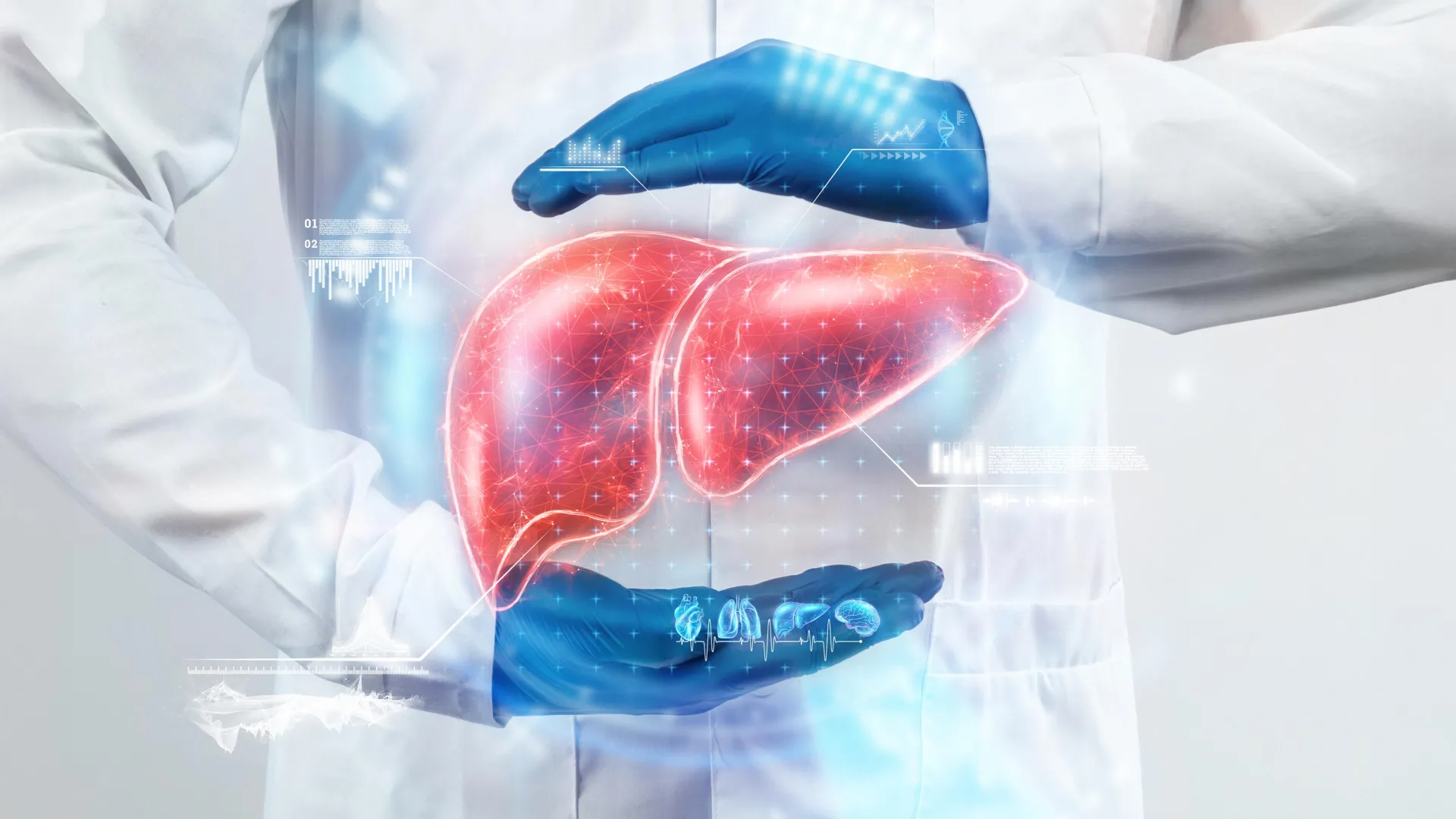
Metabolic-associated fatty liver disease (MASLD) affects approximately 30% of people worldwide, but effective targeted therapies have long been lacking. Now, researchers have discovered an important genetic factor that worsens the condition. Even more surprising, the most effective way to target this factor may be vitamin B3, an already approved and widely available treatment.
An international research team led by Professor Jang Hyun Choi of UNIST, in collaboration with Professor Hwayoung Yoon of Busan National University (PNU) and Professor Neunghwa Park of Ulsan University Hospital (UUH), identified microRNA-93 (miR-93) as a central regulator of MASLD. This is the first time this molecule has been clearly linked to disease onset and progression.
How miR-93 inhibits liver function
MiR-93 is a small RNA molecule present in liver cells that controls the activity of specific genes. Researchers found that levels of miR-93 were abnormally high in both fatty liver disease patients and animal models. Their analysis showed that miR-93 causes fat accumulation, inflammation, and scarring in the liver by suppressing SIRT1, a gene that plays an important role in managing fat metabolism within liver cells.
To better understand its role, the research team used gene editing to shut down miR-93 production in mice. These animals had significantly reduced fat accumulation in the liver, improved insulin sensitivity, and improved overall liver function. In contrast, mice engineered to produce excess miR-93 experienced more severe metabolic problems in the liver.
Vitamin B3 emerges as a potential treatment
The researchers then screened 150 FDA-approved drugs to see if any had the potential to reduce miR-93 levels. Niacin (vitamin B3) stood out as the most effective option. In mice treated with niacin, miR-93 levels sharply decreased, while SIRT1 activity increased. This restored the liver’s normal fat processing pathways and improved overall lipid balance.
“This study precisely elucidates the molecular origin of MASLD and demonstrates the potential to repurpose already approved vitamin compounds to modulate this pathway with high translational clinical relevance,” the research team explained.
They further added, “Given that niacin is an established and safe drug used to treat hyperlipidemia, it is a promising candidate for combination therapy targeting miRNA pathways in MASLD.”
Research support and publication details
This research was supported by several organizations, including the National Research Foundation of Korea (NRF) and the Korea Research Institute of Biological Sciences (KRIBB). The survey results were published online Metabolism: clinical and experimental. Key contributors include Dr. Yo Han Lee and Kieun Park from UNIST, as well as Professor Joonho Jeong from Ulsan University Hospital and Jinyoung Lee from Busan National University, who served as co-lead authors.
