


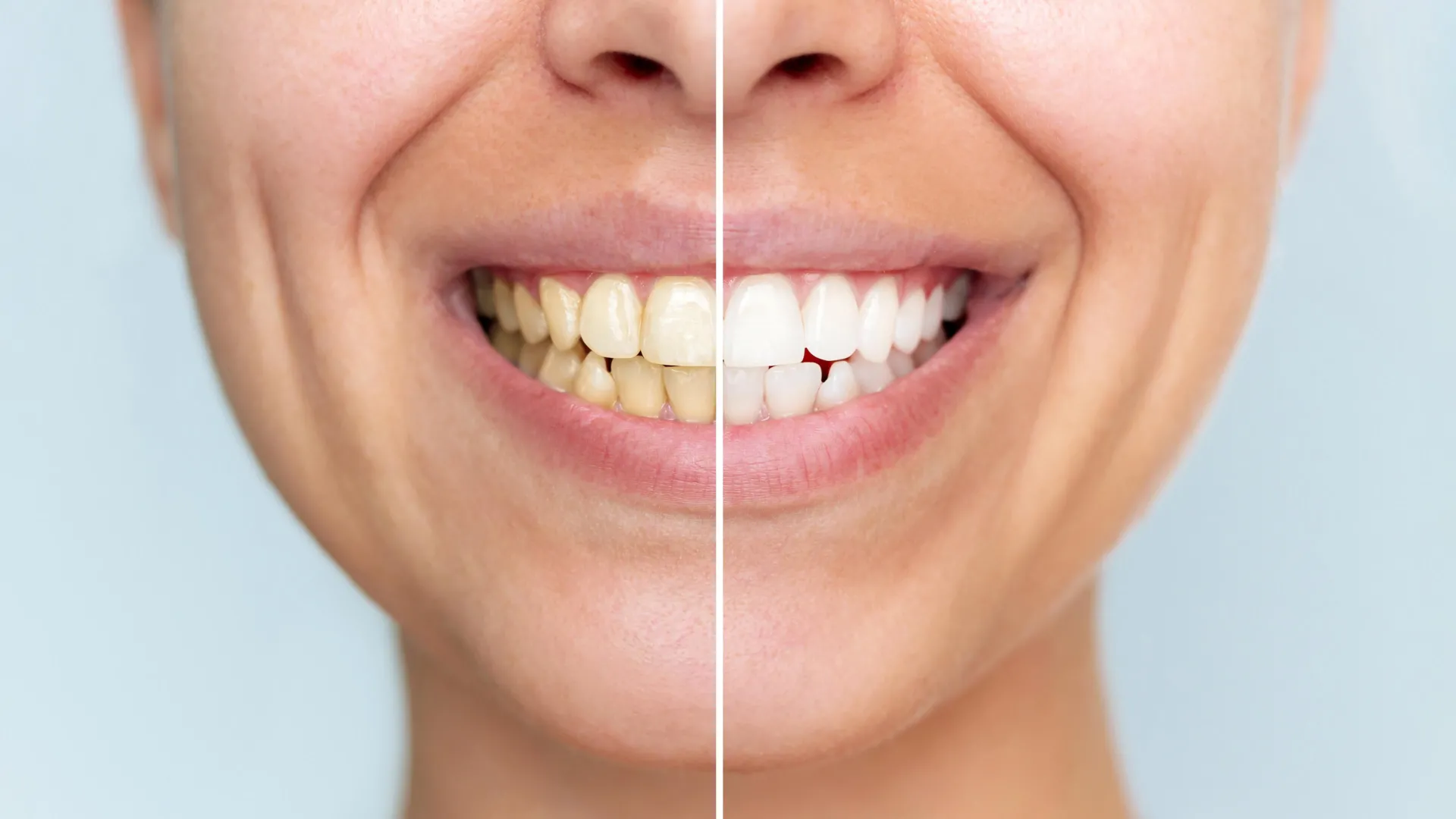
Even if you continue to brush regularly, your teeth may lose their shine over time. Staining can be due to genetic factors or from everyday foods and drinks such as coffee and tomatoes. Chemical whitening products are widely used, but in some cases they can damage tooth enamel. To address this, researchers ACS nano has created an experimental whitening powder that is activated by the vibrations of an electric toothbrush. In clinical tests, this system not only reduced staining but also helped protect teeth.
“This study provides a safe at-home teeth whitening strategy that integrates whitening, enamel restoration, and microbiome balance to achieve long-term oral health,” said Ming Xin, lead author of the study.
A safer alternative to traditional teeth whitening
Many common whitening products rely on peroxide-based bleaches found in strips, gels, and mouth rinses. These treatments work by producing reactive oxygen species (ROS) that break down the molecules that cause dirt. However, these same reactions can weaken your enamel, making your teeth more vulnerable to future discoloration and other problems.
To overcome these drawbacks, Xing, Wenhao Qian, Xuanyong Liu, Jiajun Qiu and their team developed a new compound that generates ROS only through the movement of an electric toothbrush. At the same time, this material is designed to strengthen and repair tooth structure rather than damage it.
How vibration activated powder works
The researchers created the material by mixing strontium and calcium ions with barium titanate and heating the mixture to form a ceramic powder called BSCT. When exposed to vibrations, the powder generates a small electric field, a phenomenon known as the piezoelectric effect, which triggers chemical reactions that produce ROS.
Lab results show whitening and enamel repair
In early experiments, human teeth stained with tea or coffee were brushed with BSCT using an electric toothbrush. After 4 hours, the teeth were noticeably whiter. After 12 hours, the teeth were nearly 50% whiter than similar teeth polished with saline.
Researchers also found that the powder helped repair damaged enamel and dentin. Minerals in the powder, such as strontium, calcium, and barium, formed deposits on the tooth surface and rebuilt important structures.
Improving oral health through animal testing
The team then evaluated the powder in rats fed a high-sugar diet. Brushing your teeth for one minute a day for four weeks will rebalance your oral microbiome. This treatment reduced harmful bacteria such as Porphyromonas gingivalis and Staphylococcus aureus and lowered inflammation levels.
Towards new options for home dental care
Although the powder has not yet been incorporated into toothpaste, the findings suggest it could lead to a new type of at-home whitening treatment that is effective and protective of oral health.
The authors acknowledge funding from the Chinese Academy of Sciences Youth Innovation Promotion Association, Shanghai Municipal Science and Technology Commission, Shanghai Medical Key Specialties, Xuhui District Medical Key Subjects, and the National Key Laboratory Establishment Project for High Performance Ceramics.
