


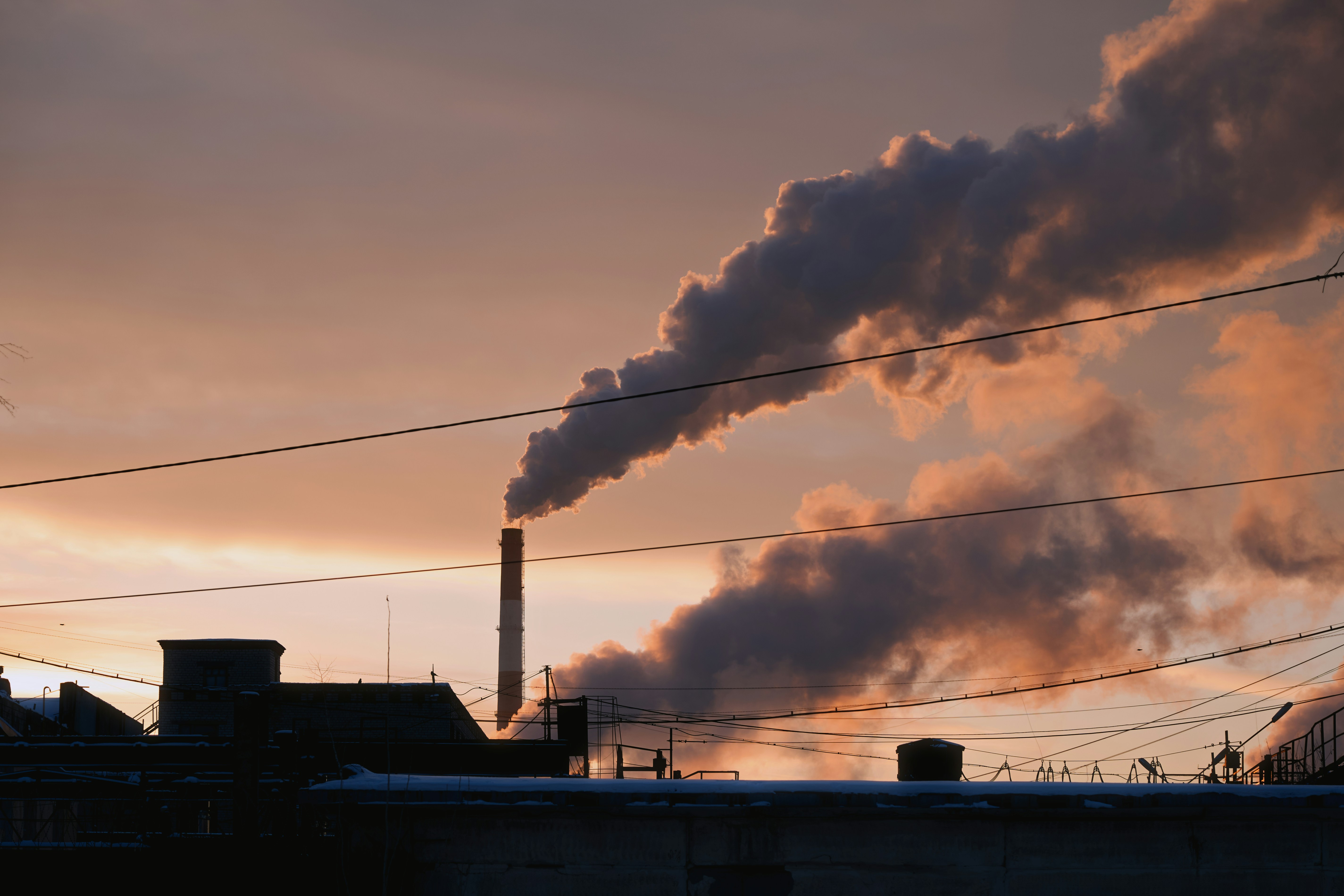
Climate change health impacts are intensifying, intertwining with pollution to create profound threats to human well-being. The 2025 Lancet Countdown report, compiled by 128 experts tracking 57 indicators, reveals worsening conditions: heat-related mortality has surged 23% since the 1990s to 546,000 annual deaths, while wildfire smoke caused a record 154,000 PM2.5-related fatalities in 2024.
Urban environments amplify these risks. Air pollution from fossil fuels claims 2.52 million lives yearly from outdoor sources alone, per the Lancet data. In cities, where over half the global population resides, transport emissions exacerbate respiratory diseases and cardiovascular strain, as detailed in recent ITDP analysis.
Environmental health crises extend to immune dysfunction and infectious disease shifts, with dengue transmission potential up 49% since the 1950s (MSD Manuals overview). WHO’s health and environment scorecards for 194 countries underscore disparities, with leading nations like Norway scoring high but many lagging in pollution mitigation.
For environmental scientists, urban planners, and public health advocates, these climate change health impacts demand integrated action. This blog explores sustainability strategies, from WHO’s urban health guide promoting resilient cities to pollution mitigation via sustainable transport and electrification.
Key challenges include:
- Escalating heat-related mortality and extreme weather.
- PM2.5 pollution from wildfires and urban traffic.
- Policy backsliding amid rising fossil fuel investments.
Actionable insights ahead promise pathways to healthier futures.
Evidence-Based Health Impacts: Heat Mortality, Air Pollution, and Emerging Diseases
The 2025 Lancet Countdown report, authored by 128 experts, tracks 57 indicators revealing escalating climate change health impacts. Heat-related mortality has increased 23% since the 1990s, reaching 546,000 deaths annually as rising temperatures overwhelm human thermoregulation, particularly affecting vulnerable groups like the elderly and laborers.
Extreme weather fuels wildfires, whose smoke elevates PM2.5 pollution levels. In 2024, this caused a record 154,000 deaths from fine particulate matter, intensifying air pollution health effects such as respiratory distress, heart attacks, and strokes, as evidenced in the report.
Fossil fuel emissions drive broader air pollution crises. Outdoor sources alone claim 2.52 million lives yearly, while household pollution adds 2.3 million, linking directly to cardiovascular and pulmonary diseases amid urban density.
Climate change health impacts extend to infectious diseases. Dengue transmission suitability has grown 49% since the 1950s, expanding mosquito habitats and threatening tropical and temperate regions alike, per Lancet data.
WHO’s health and environment scorecards assess 194 countries across eight threats, introducing summary scores. Leaders like Norway score highest, but global averages reveal gaps in climate adaptation health and pollution control, with 25% of disease burden environmentally linked.
Urban respiratory risks compound these issues. Transport-related PM2.5 and NOx exacerbate asthma and COPD, as detailed in ITDP analysis. The MSD Manuals overview notes heat’s role in kidney failure, immune dysfunction, and autoimmune flares from pollutants.
Critical indicators include:
- Heat-related deaths: 546,000/year (+23% since 1990s)
- Wildfire PM2.5 fatalities: 154,000 (2024 record)
- Dengue potential: +49% since 1950s
- Fossil fuel air pollution deaths: 4.82 million/year
These metrics demand data-driven advocacy for environmental health protection.
Strategic Mitigation: Urban Sustainability, Transport Electrification, and Resilience Building
Strategic interventions can mitigate climate change health impacts by prioritizing urban sustainability and resilience. WHO’s global guide on WHO urban health provides a framework for decision-makers to integrate health across sectors, targeting cities where 4.4 billion reside and slums house 1.1 billion at highest risk from pollution and heat.
Pollution mitigation strategies focus on transport, a major PM2.5 source. ITDP analysis projects that combining sustainable transport mode shift with electrification reduces urban passenger PM2.5 emissions up to 80% by 2050 across the U.S., Brazil, China, India, Mexico, and Indonesia. NOx and CO decline even more sharply.
Sustainable transport—prioritizing buses, cycling, walking—slashes vehicle kilometers, curbing non-tailpipe emissions from brakes, tires, and roads, which could dominate 75-90% of PM2.5 even under high electrification scenarios.
Electrification targets tailpipe pollutants effectively, eliminating NOx from diesel buses prevalent in low-income areas. China’s 69% electric buses exemplify scalable climate adaptation health benefits.
Lancet Countdown highlights adaptation advances: 97% of CDP-reporting cities have climate risk assessments; 66% of public health institutions deliver climate-health education; 69% of WHO states achieve high emergency preparedness.
Key urban sustainability actions include:
- Compact land-use planning to reduce car dependency.
- Expand charging infrastructure and low-emission zones.
- Congestion pricing and parking reforms for mode shift.
- Cross-sector partnerships linking health, transport, and environment.
These strategies yield co-benefits: cleaner air averting millions of air pollution health effects deaths, resilient infrastructure against extremes, and equitable access fostering healthier cities amid climate change health impacts.
Sources
- https://lancetcountdown.org/2025-report/
- https://www.msdmanuals.com/professional/news/editorial/2025/10/09/15/07/environmental-effects-of-climate-change-on-human-health
- https://itdp.org/2026/01/22/transform-urban-air-quality-stmagazine-37/
- https://www.who.int/news/item/31-10-2025-who-calls-for-a-new-era-of-strategic-urban-health-action-with-global-guide-to-unlock-healthy-prosperous-and-resilient-societies
- https://medicalxpress.com/news/2026-01-health-experts-highlight-climate-driven.html
- https://blogs.edf.org/global-clean-air/2026/02/09/new-study-weather-events-made-worse-by-climate-change-are-pushing-toxic-air-pollution-higher/
- https://yaleclimateconnections.org/2026/01/where-things-stand-on-climate-change-in-2026/
- https://talkofthecities.iclei.org/eight-signs-2026-isnt-business-as-usual-for-urban-sustainability-agendas/
- https://www.who.int/news/item/24-07-2025-who-unveils-health-and-environment-scorecards-for-194-countries
- https://pmc.ncbi.nlm.nih.gov/articles/PMC12102615/
