


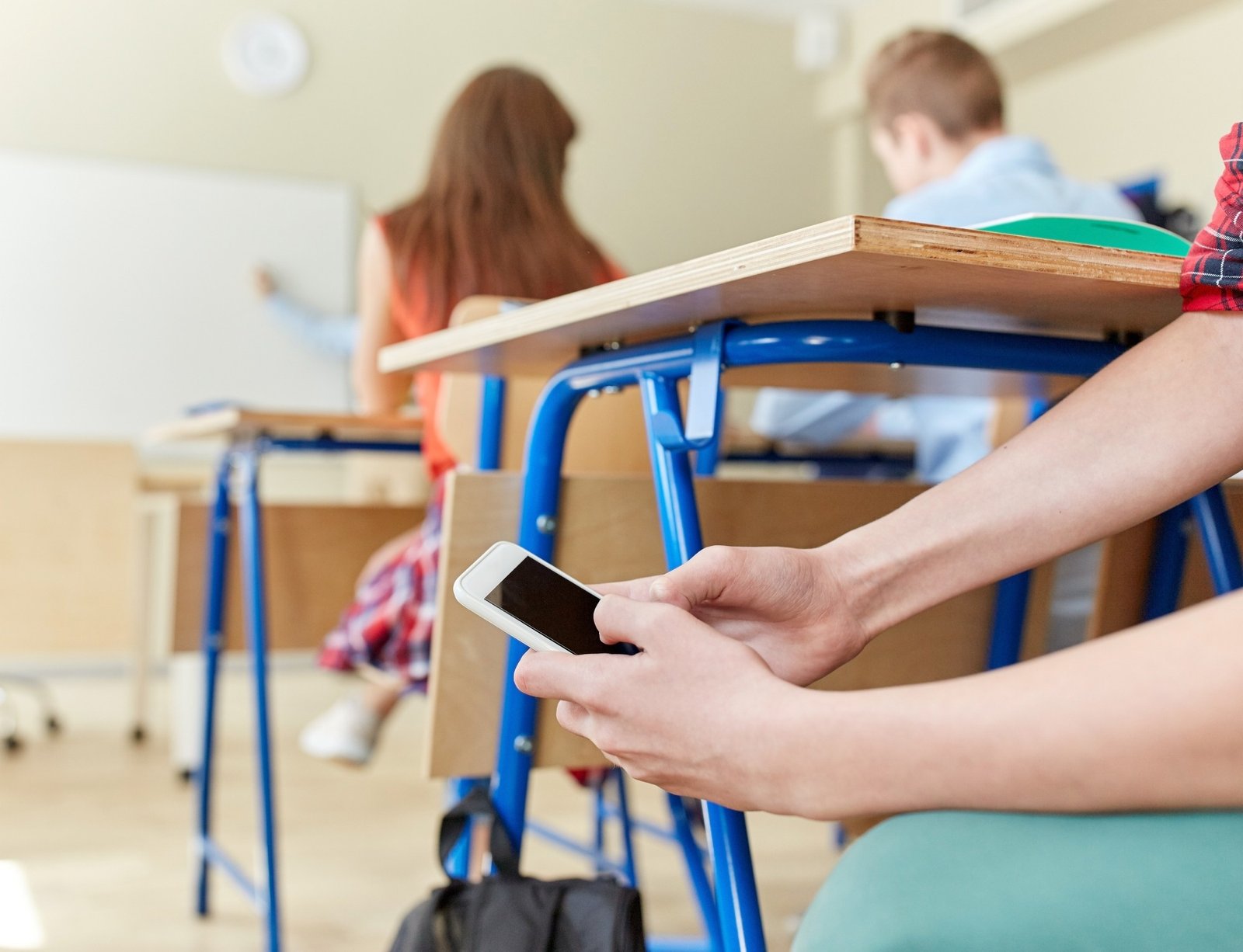
Tracking smartphones over time reveals how deeply embedded they are in school life. Some teens check their phones more than 140 times, and frequent checking is associated with poor cognitive control.
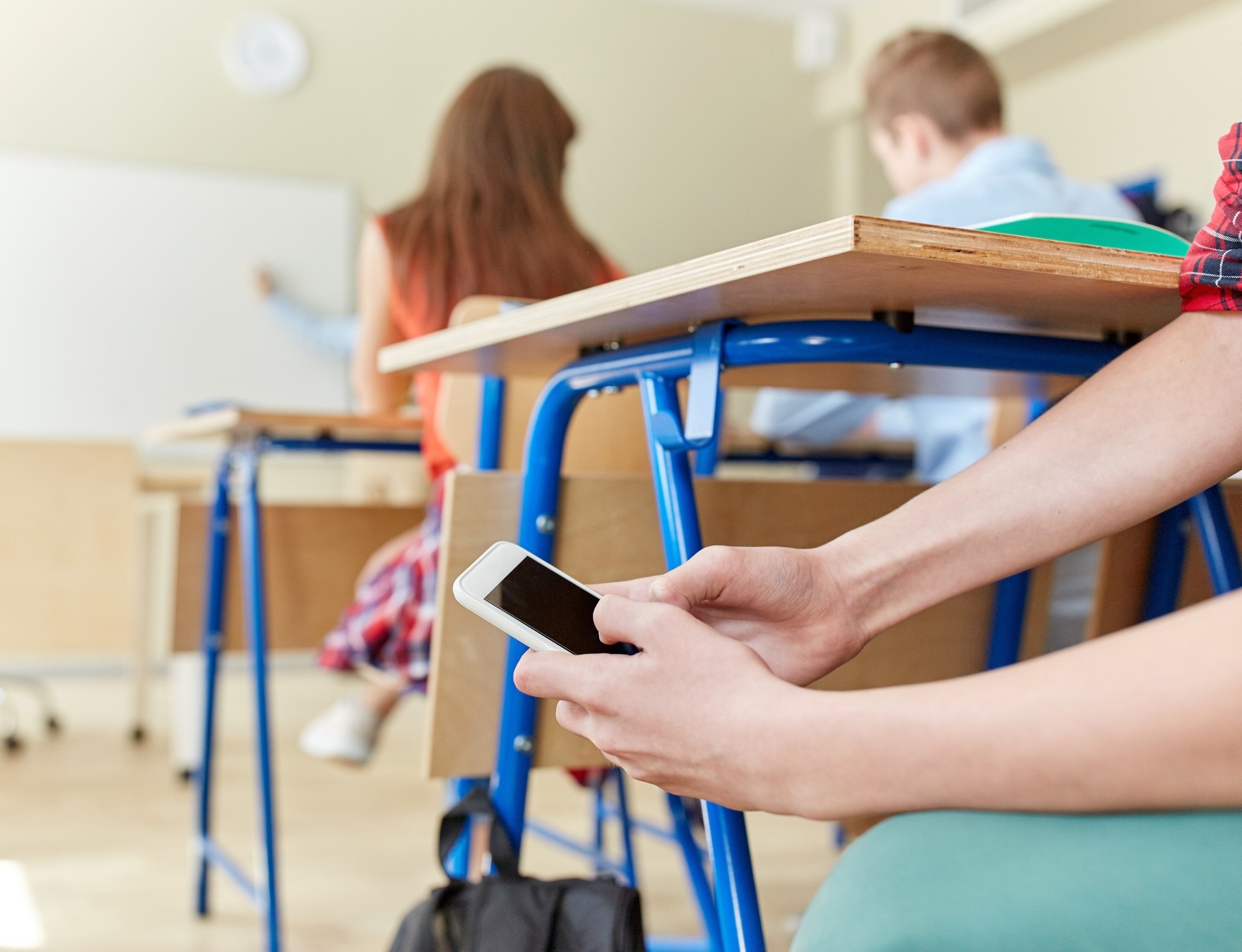 Study: Association between smartphone use and cognitive control during school hours in adolescents aged 11 to 18 years. Image credit: Ground Picture/Shutterstock.com
Research published in JAMA network open found that adolescents frequently used smartphones during class and frequently checked their phones, which was associated with decreased cognitive control. The study found that some students checked their phones more than 140 times during school hours, with the highest frequency being around 144 times.
Why is the adolescent brain vulnerable to smartphone distractions?
Smartphones have become a part of daily life for today’s youth. However, they can be a distraction and interfere with academic engagement and self-regulation. Adolescents are particularly prone to distraction because they are more sensitive to social rewards while the brain regions involved in cognitive control are still maturing. Cognitive control refers to the goal-directed control of emotions, thoughts, and actions.
Previous studies have shown that adolescents primarily spend more time on social media, but they have not identified specific times of day. It also suggests that older students spend more time on screen during school hours than younger students. The authors propose that this may be due to a lack of self-control, leading people to prefer the immediate gratification of social media and entertainment over the delayed rewards of achieving goals (in this case, academic achievement).
Other scientists theorize that smartphone use causes distraction by interfering with other focuses of attention and depleting cognitive resources used for attention. Previous research has demonstrated that frequently checking your smartphone is a more reliable indicator of habitual smartphone use than overall screen time. This also correlates with changes in activity in the prefrontal cortex, an area involved in cognitive control.
This prompted the current study to investigate the use of smartphones during class time by middle school students (11-14 years old) and high school students (15-18 years old) and whether smartphone use during class is associated with poorer cognitive control.
Track hourly smartphone usage over 14 days
The study involved 79 young people with an average age of 15 years. This cross-sectional study used Apple’s iPhone iOS Screen Time Report to objectively capture each participant’s hourly smartphone usage over 14 consecutive days. Middle school students were required to upload three screenshots each day that reflected their previous day’s usage across three metrics: overall screen time, social media, and entertainment. For older students, the metrics were overall screen time, pickup, and notifications.
Different metrics were requested across groups to provide a broader picture while reducing the tasks required of participants and maximizing compliance. Additionally, cognitive control was assessed using a go/no-go task designed to measure inhibitory control in a high school cohort.
Research results
Total smartphone usage
The researchers found that all participants used their smartphones for a range of 8 minutes to 5.3 hours during school hours. Smartphone use occurred every hour during the school day, for a total of 2.2 hours, or one-third of the school day. This accounted for 28.5% of the total smartphone usage over a 24-hour period.
The total usage time doubled from an average of 12 minutes for middle school students to 23 minutes for high school students. Younger children’s screen time was longer on non-school days than on school days, in contrast to older adolescents, suggesting a possible moderating effect of school structure.
This may indicate that older adolescents tend to be less restrictive in their smartphone use than younger teens, suggesting that smartphone-related autonomy may interact with adolescents’ development of self-regulation and social behavior. Alternatively, the researchers suggest that younger cohorts assessed two years later showed a stronger regulatory impact on smartphone use during school hours than earlier cohorts. Other factors may include the influence of parental regulation and monitoring. This requires further research.
social media and entertainment
Middle school participants spent an average of 40 minutes on social media and 14 minutes on entertainment apps during school hours. Individual durations ranged from 0 to approximately 3 and 1.8 hours, respectively. On average, social media and entertainment account for more than 70% of the total daily screen time at school, supporting previous research. This may indicate strong engagement in social media interactions and immediate but variable rewards from social media interactions.
This can promote compulsive behavior and condition adolescents to seek continuous stimulation. This is in contrast to the sustained attention required to reap the delayed rewards of academic work.
phone check
In a cohort of high school students, the telephone Checks were made every hour, with an average of 64 checks during a school day, and a peak of around 144 times.. Young people who checked their phones more frequently tended to have lower cognitive control on the test. However, in this study, total screen time during class time was not associated with cognitive control.
The authors relate this finding to theories of attention fragmentation and cognitive load. Repeated phone checks can result in frequent task switching, which can deplete the cognitive resources needed for goal-directed action. Additionally, frequent phone calls can distract you and prevent you from participating in learning and social activities. Previous research supports this hypothesis, showing that increased social media engagement is associated with poorer cognitive outcomes. Similarly, repeated distractions lead to executive control.
Finally, problematic social media use is associated with lower scores on inhibitory control tasks. According to the authors, This relationship may be bidirectional, with a possible correlation between low self-regulation and frequent smartphone checking during school hours.
Reason for frequent phone checks remains unclear
This study is limited by the small sample size and two different time periods of data collection. And it’s only for iPhone users. Phone usage classification is based on the App Store’s built-in software, which may have caused misclassification errors.
The study could not determine whether phone use occurred during class, recess, or lunch periods. The reason for the repeated calls is not available, but it could range from checking the time to checking social media. The study data predates state-level bans on smartphones in schools.
Schools may need policies targeting habitual phone checking
The authors say the study is one of the “most detailed and organic reports on smartphone use in school among young people aged 11 to 18.” The findings suggest that all students use their smartphones throughout class, not just during recess.
Frequent checking of the phone during class time leads to decreased cognitive control. The authors comment: “These findings highlight the need for school-level policies and digital literacy programs.” They emphasize that adolescents need support to not only reduce total screen time, but also to reduce the frequency of use and promote normal cognitive and social development and well-being in adolescents.
Click here to download your PDF copy.
