


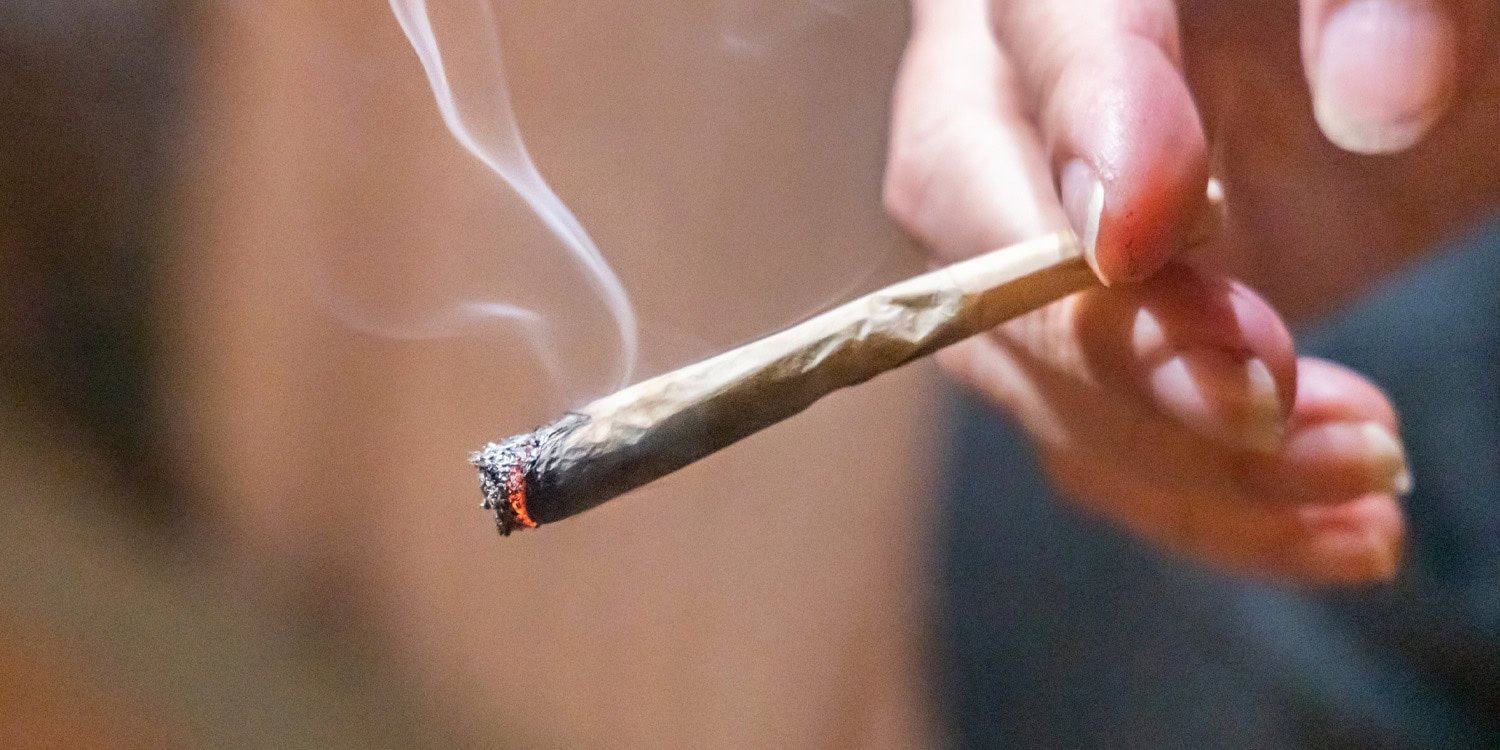
Although many young people use cannabis, its relationship with mood disorders characterized by intense positive emotions is poorly understood. A recent study of college students found that higher risk for bipolar spectrum disorder was associated with more cannabis-related disruptions in daily life, while experiencing higher levels of natural positive emotions was associated with less frequent cannabis use. These results were published in the Journal of Affective Disorders.
Bipolar spectrum disorder is a mental health condition defined by severe mood swings. People with these disorders experience manic or hypomanic episodes. This condition is characterized by an abnormally elevated mood, increased energy, and increased tendency to take risks. They also usually experience periods of depression, characterized by deep sadness and loss of interest in regular activities.
Although happiness is generally thought of as a purely positive mental state, people with bipolar tendencies may have difficulty controlling how they experience good emotions. They may experience positive emotions with overwhelming intensity. They may also become more excited when they expect rewards, or place an unusually high value on the pursuit of happiness itself.
Cannabis is the most widely consumed illicit drug in the world, and its use has increased rapidly over the past decade. Cannabis contains psychoactive compounds, particularly THC, that directly affect a person’s mood and cognition. Because the drug interacts with the brain’s reward centers, mental health experts are increasingly interested in how its widespread use shapes psychological functioning.
Studies frequently link cannabis use to mood problems centered around negative emotions, such as severe depression and chronic anxiety. Past research has tended to focus on these negative emotional outcomes. Few studies have investigated how cannabis use relates to mental illnesses defined by severe disruption of positive emotional systems.
Luisa Rosa and June Gruber, psychology researchers at the University of Colorado Boulder, designed a study to explore this blind spot. They led a team of researchers from multiple communities to understand how vulnerability to bipolar spectrum disorder is related to different patterns of cannabis use. They also wanted to examine the specific ways emerging adults process positive emotions and investigate whether these psychological mechanisms change how young adults consume cannabis.
Studying this age group is a logical step for mental health researchers. Adulthood, which lasts from late adolescence to the mid-20s, is a unique developmental period. Young people at this stage typically have increased emotional reactivity and an increased appetite for physical and social risks.
During this period of development, individuals gain greater autonomy and have easier access to substances like cannabis. This makes late teens and early adulthood the peak period for the onset of both substance use problems and mood disorders.
To conduct the study, researchers recruited 968 college students from nine different universities in North America. To be included in the analysis, all participants had to report consuming cannabis at least once in their life. The research team focused entirely on individuals with some prior history of exposure to the drug.
Through a series of online surveys, the team asked college students about their specific cannabis habits. Questions focused on the number of days the person used the drug in the past 3 months. The survey also asked whether students thought this consumption interfered with school, work or family life, and how difficult they thought it would be to stop consuming altogether.
In addition to collecting data on substance use, researchers administered a clinical screening tool. These measures assessed each student’s potential risk for bipolar spectrum disorder and assessed personality traits associated with hypomania. The survey also measured ongoing manic and depressive symptoms the students were experiencing at the time of the mental health screening.
To get a detailed picture of students’ emotional lives, the survey measured three different psychological traits related to how people feel good. The first feature is Positive Emotional Experiences, which tracks how often and intensely a person has felt positive states such as joy and enjoyment over the past week.
The second psychological characteristic analyzed was reward responsiveness. It tracks the biological and psychological excitement people feel when they get what they want, and measures excitement on a continuum. Examples include achieving a goal, receiving praise, and getting something you want.
The third characteristic is the rating of positive emotions. This represents a more abstract cognitive tendency in which people constantly monitor their own well-being. People who score high in this area place great importance on feeling positive and often think there is something inherently wrong with them if they don’t feel happy all the time.
When Rosa and Gruber’s team analyzed the survey responses together, they found that higher risk for bipolar spectrum disorder was associated with greater cannabis-related disturbances in daily life. This means that students with more bipolar-like traits report greater disruption to their personal and professional responsibilities as a direct result of cannabis use.
These same students did not report using cannabis any more frequently than other students. They also did not report that it became more difficult to stop using drugs. Statistical associations appeared specifically in the extent to which the substance impaired daily functioning.
When the researchers adjusted the mathematical model to account for current active mood symptoms, the direct link between bipolar disorder risk characteristics and impairment in daily life diminished. A closer look at the updated data shows that current symptoms of depression are tied to higher levels of cannabis interference. However, this particular association is partially explained by comorbid alcohol consumption, suggesting that drinking habits also play a large role in how mood symptoms disrupt a person’s life.
The research team also found a strong relationship between cannabis habits and how people naturally process positive emotions. Students who reported higher levels of recent positive emotional experiences tended to use cannabis less frequently. They also reported that it did not interfere with their daily lives, and that it was not difficult to stop using it completely.
In this context, naturally experiencing high levels of positive emotions served as a protective factor against heavy cannabis habit. Placing a very high value on happiness produced very different results. Students who scored higher on positive affect ratings tended to use cannabis more frequently and also reported difficulty quitting drug use.
Research has revealed that students with a strong interest in achieving happiness may be using cannabis as a tool to artificially regulate their mood. These individuals may rely heavily on drugs to achieve certain positive emotional states. This dynamic makes it difficult to consider quitting the substance, despite its potential side effects on memory and motivation.
The research team noted several limitations to their study. Because this study relies on a cross-sectional study that captures only a snapshot in time, it is not possible to establish a causal chain from the results. It is unclear whether first-time cannabis use worsens the mood symptoms of bipolar disorder, or whether pre-existing mood patterns prompt people to use cannabis in particular problematic ways.
Students in this sample reported relatively low levels of cannabis use overall. Most participants used the substance less than once a month. The researchers noted that collecting data from populations with more frequent and habitual usage patterns could yield different scientific insights.
In the future, behavioral scientists hope to track young people over longer periods of time. Tracking individuals consistently throughout their college careers may help reveal how escalating cannabis use interacts with changes in emotional traits and mood symptoms as young people enter adulthood.
The study, “High and Low: Mood and Emotional Processes in Cannabis Use and Positive Bipolar in Emerging Adults,” was authored by Luiza Rosa, Gerald Young, Stevi G. Ibonie, Joelle LeMoult, Iris B. Mauss, Lauren B. Alloy, Jessica L. Borelli, Sarah R. Holley, Ellen Jopling, Daniel P. Morarity, and Robin Nusslock. Gregory Strauss, Cynthia M. Villanueva, Lauren M. Weinstock, L. Cinnamon Bidwell, June Gruber.
