

Close Menu

    Subscribe to Updates

    Get the latest creative news from FooBar about art, design and business.

    What's Hot

    The Urgent Climate-Health Crisis Facing Cities Today

    September 27, 2026

    2026 Pharma Outlook: Key Trends for Pharmacologists and Drug Development Leaders

    September 26, 2026

    The Climate-Health Crisis in Urban Environments: Who It’s For and What You’ll Gain

    September 25, 2026
    Facebook X (Twitter) Instagram
    Facebook X (Twitter) Instagram
    Health Magazine
    • Home
    • Environmental Health
    • Health Technology
    • Medical Research
    • Mental Health
    • Nutrition Science
    • Pharma
    • Public Health
    • Discover
      • Daily Health Tips
      • Financial Health & Stability
      • Holistic Health & Wellness
      • Mental Health
      • Nutrition & Dietary Trends
      • Professional & Personal Growth
    • Our Mission
    Health Magazine
    Home » News » Using AI to verify human advice can damage professional relationships
    Mental Health

    Using AI to verify human advice can damage professional relationships

    healthadminBy healthadminMarch 18, 2026No Comments3 Mins Read
    Using AI to verify human advice can damage professional relationships
    Share
    Facebook Twitter Reddit Telegram Pinterest Email


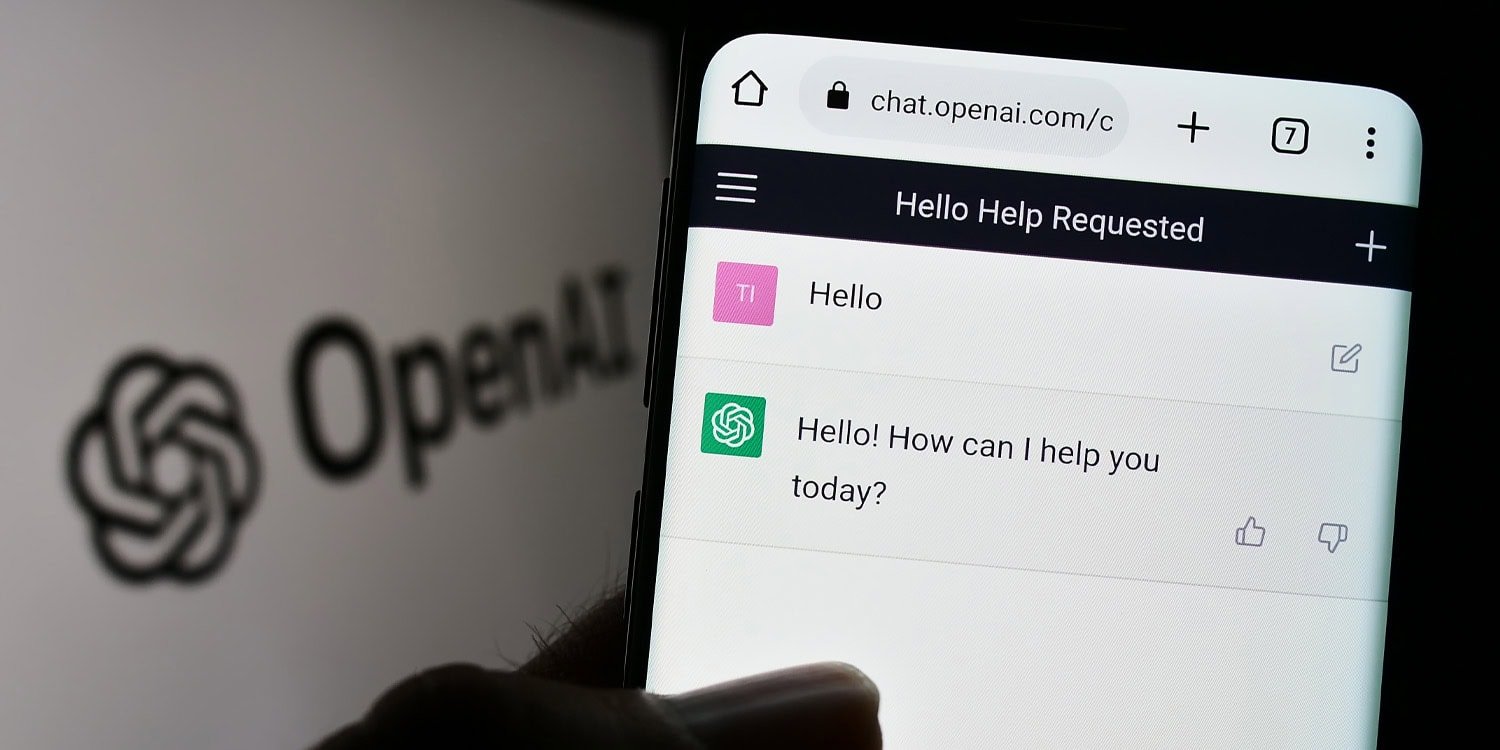
    New research published in Computers in human behavior Our findings suggest that seeking advice from artificial intelligence (AI) can unintentionally strain relationships with human experts.

    AI tools are rapidly becoming part of everyday decision-making, promising faster answers, personalized guidance, and lower costs. Many people use these tools with experts to double-check information or get a second opinion.

    Previous research has demonstrated that human advisors can react negatively when clients consult multiple experts. In such situations, advisors may interpret the search for a second opinion as a lack of trust. But until recently, little attention has been paid to how advisors respond when the second opinion comes from a computer algorithm rather than someone else.

    So researchers Gerri Spassova (Monash University, Australia) and Mauricio Palmeira (University of South Florida, USA) set out to investigate how human advisors react when clients turn to AI for more than just professional advice.

    To investigate, the pair conducted four experiments, each involving about 180 to 300 adult participants. In the first experiment, participants had an actual real-world advising experience. In three subsequent studies, participants were asked to imagine themselves working in advisory roles, such as travel planning, finance, or nutrition, in general adults. All participants will read a scenario in which they have already provided professional advice to a client.

    For example, in one experiment, a financial advisor was told that after receiving an investment recommendation, the customer also sought advice from either another human financial advisor or an artificial intelligence system. Advisors then rated how motivated they felt about the situation and whether it influenced their willingness to continue working with the client.

    All four studies revealed a clear pattern. Advisors were significantly less willing to work with clients they had consulted on AI. In fact, that negative reaction was stronger than when the client consulted another human advisor.

    The researchers suggested that the motivation behind the negative reactions was professional identity. Advisors often view AI systems as far less capable than trained experts. As a result, when clients juxtapose human experts and AI tools as equal sources of advice, the comparison can feel insulting.

    The study also revealed another surprising effect. Advisers tend to judge clients who use AI more negatively. Participants rated these clients as less competent and less warm-hearted compared to clients who sought advice from another human expert.

    Importantly, negative reactions persisted even when AI systems were used only for initial background information (rather than the final decision) or as a complementary service (rather than as a replacement for human expert advice). In other words, simply checking out AI tools can change the way advisors view their clients.

    “Our findings suggest that learning that a client is consulting an AI, consciously or not, can change how advisors perceive their clients and how much effort they are willing to put into the client relationship. Such negative effects, even if small, can undermine advisor-client relationships in the long run and potentially result in missed opportunities,” Spasova and Palmeira concluded.

    However, this study has some limitations. Because this study relied heavily on experimental role-playing scenarios rather than real-world mentoring relationships, actual responses may actually be different. Moreover, it remains unclear whether these negative reactions persist, diminish, or completely disappear in long-term advisor-client relationships, especially when advisors know their clients well.

    The study, “Algorithmic Discomfort: The Hidden Interpersonal Costs for Clients Seeking an AI Second Opinion,” was authored by Gerri Spassova and Mauricio Palmeira.


    Source link

    Visited 23 times, 1 visit(s) today
    Share. Facebook Twitter Pinterest LinkedIn Telegram Reddit Email
    Previous ArticleScientists have discovered that bull sharks have friends.
    Next Article Study reveals common brain mechanism behind various anesthetics
    healthadmin

    Related Posts

    Overcoming Access Barriers to Evidence-Based Psychiatric Treatments in Inpatient Settings

    September 24, 2026

    Bridging Gaps in Evidence-Based Psychiatric Treatments

    September 23, 2026

    Overcoming Access Barriers: Evidence-Based Insights for Mental Health Professionals

    September 21, 2026

    Addressing Access Gaps in Inpatient Psychiatric Care

    September 17, 2026

    Addressing 2026 Mental Health Challenges: Evidence-Based Outcomes for Psychiatrists and Policymakers

    September 7, 2026

    Overcoming Barriers to Evidence-Based Psychological Treatments for Depressive Disorders

    September 2, 2026
    Add A Comment

    Comments are closed.

    Categories

    • Daily Health Tips
    • Discover
    • Environmental Health
    • Exercise & Fitness
    • Featured
    • Featured Videos
    • Financial Health & Stability
    • Fitness
    • Fitness Updates
    • Health
    • Health Technology
    • Healthy Aging
    • Healthy Living
    • Holistic Healing
    • Holistic Health & Wellness
    • Medical Research
    • Medical Research & Insights
    • Mental Health
    • Mental Wellness
    • Natural Remedies
    • New Workouts
    • Nutrition
    • Nutrition & Dietary Trends
    • Nutrition & Superfoods
    • Nutrition Science
    • Pharma
    • Preventive Healthcare
    • Professional & Personal Growth
    • Public Health
    • Public Health & Awareness
    • Selected
    • Sleep & Recovery
    • Top Programs
    • Weight Management
    • Workouts
    Popular Posts
    • 1773313737_bacteria_-_Sebastian_Kaulitzki_46826fb7971649bfaca04a9b4cef3309-620x480.jpgHow Sino Biological ProPure™ redefines ultra-low… March 12, 2026
    • pexels-david-bartus-442116The food industry needs to act now to cut greenhouse… January 2, 2022
    • 1773729862_TagImage-3347-458389964760995353448-620x480.jpgDespite safety concerns, parents underestimate the… March 17, 2026
    • 1774403998_image_28620e4b6b0047f7ab9154b41d739db1-620x480.jpgGait pattern helps distinguish between Lewy body… March 24, 2026
    • 1773209206_futuristic_techno_design_on_background_of_supercomputer_data_center_-_Image_-_Timofeev_Vladimir_M1_4.jpegMulti-agent AI systems outperform single models… March 11, 2026
    • Leukemia-620x480.jpgBiomimetic platform powers CAR T therapy for… March 9, 2026

    Demo
    Stay In Touch
    • Facebook
    • Twitter
    • Pinterest
    • Instagram
    • YouTube
    • Vimeo
    Don't Miss

    The Urgent Climate-Health Crisis Facing Cities Today

    By healthadminSeptember 27, 2026

    Explore how integrated urban planning, climate adaptation, and health strategies can reduce respiratory illness, heatstroke, and vector-borne diseases in cities.

    2026 Pharma Outlook: Key Trends for Pharmacologists and Drug Development Leaders

    September 26, 2026

    The Climate-Health Crisis in Urban Environments: Who It’s For and What You’ll Gain

    September 25, 2026

    Overcoming Access Barriers to Evidence-Based Psychiatric Treatments in Inpatient Settings

    September 24, 2026

    Subscribe to Updates

    Get the latest creative news from SmartMag about art & design.

    HealthxMagazine
    HealthxMagazine

    At HealthX Magazine, we are dedicated to empowering entrepreneurs, doctors, chiropractors, healthcare professionals, personal trainers, executives, thought leaders, and anyone striving for optimal health.

    Our Picks

    Overcoming Access Barriers to Evidence-Based Psychiatric Treatments in Inpatient Settings

    September 24, 2026

    Bridging Gaps in Evidence-Based Psychiatric Treatments

    September 23, 2026

    Bridging the Gaps in 2025-2030 Dietary Guidelines for Metabolic Health

    September 22, 2026
    New Comments
      Facebook X (Twitter) Instagram Pinterest
      • Home
      • Privacy Policy
      • Our Mission
      © 2026 ThemeSphere. Designed by ThemeSphere.

      Type above and press Enter to search. Press Esc to cancel.