


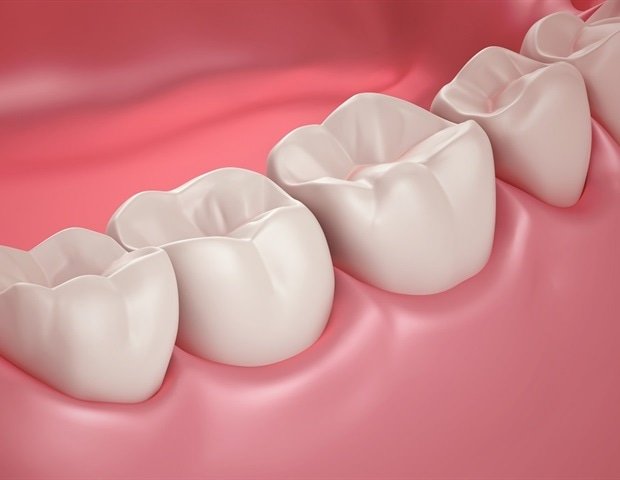
The results of a new study comparing the effects of different drinks on oral acidity suggest that unsweetened sparkling water may be better for your teeth than sugary carbonated drinks.
When the pH of your mouth drops below about 5.5, acids begin to dissolve tooth enamel. A new study looks beyond the beverage’s acidity itself and shows that while carbonated water lowers the pH of your mouth, it’s not as effective as soda.
Many people are switching from carbonated drinks to sparkling water, and our findings suggest that unsweetened sparkling water may be a lower-risk alternative to carbonated drinks when consumed in moderation, alongside good oral hygiene habits. ”
Wajiha Zulfiqar, Purdue University Nutrition Science Graduate Student
Dr. Zulfikar will present his findings at NUTRITION 2026, the American Academy of Nutrition’s flagship annual meeting, to be held from July 25 to 28 in National Harbor, Maryland, outside Washington, DC.
Studies have shown that sugar-sweetened carbonated drinks may contribute to dental erosion by lowering the pH in the mouth to below 5.5, but less is known about how unsweetened carbonated water affects oral acidity.
To find out more, researchers measured how sugary soda, regular carbonated water, calcium-fortified carbonated water, and plain water affected oral acidity, or saliva pH, in 20 adults. They used the same study participants for all beverages to minimize interindividual differences that could affect the results.
“By directly comparing different beverages using the same experimental framework, we were able to assess the effects of carbonated water in comparison to both soda, a high-risk beverage, and plain water as a neutral standard,” Zulfikar said. “Furthermore, by measuring how the mouth reacts in real time, rather than just testing the acidity of beverages as other studies have done, our study provides a more realistic understanding of how these beverages may impact oral health.”
Researchers found that soda made the mouth the most acidic, with saliva pH dropping significantly more than water two and 20 minutes after ingestion. Unsweetened carbonated water without calcium caused a temporary decrease in salivary pH within 2 minutes, while calcium-fortified carbonated water showed a decrease within 5 minutes. With both beverages, salivary pH returned to near baseline levels by 20 minutes.
They also found that after consuming both soda and carbonated water, saliva quickly returned the acidity of the mouth to normal, keeping the pH above levels that cause enamel damage. The researchers note that the study only measured short-term changes in salivary pH. In real life, the potential for enamel damage depends on factors such as frequency of consumption, duration of exposure, and sugar content.
“Our findings suggest that replacing sugary carbonated drinks with unsweetened carbonated water may reduce the risk of enamel erosion,” Zulfikar said. “These results highlight an opportunity for the beverage industry to explore reformulation strategies that can potentially reduce the erosion potential of acidic beverages.”
Next, the researchers plan to test how carbonated water affects oral health over the long term, which could help determine whether carbonated water changes other aspects of the oral environment that are important to oral health.
sauce:
American Academy of Nutrition
