


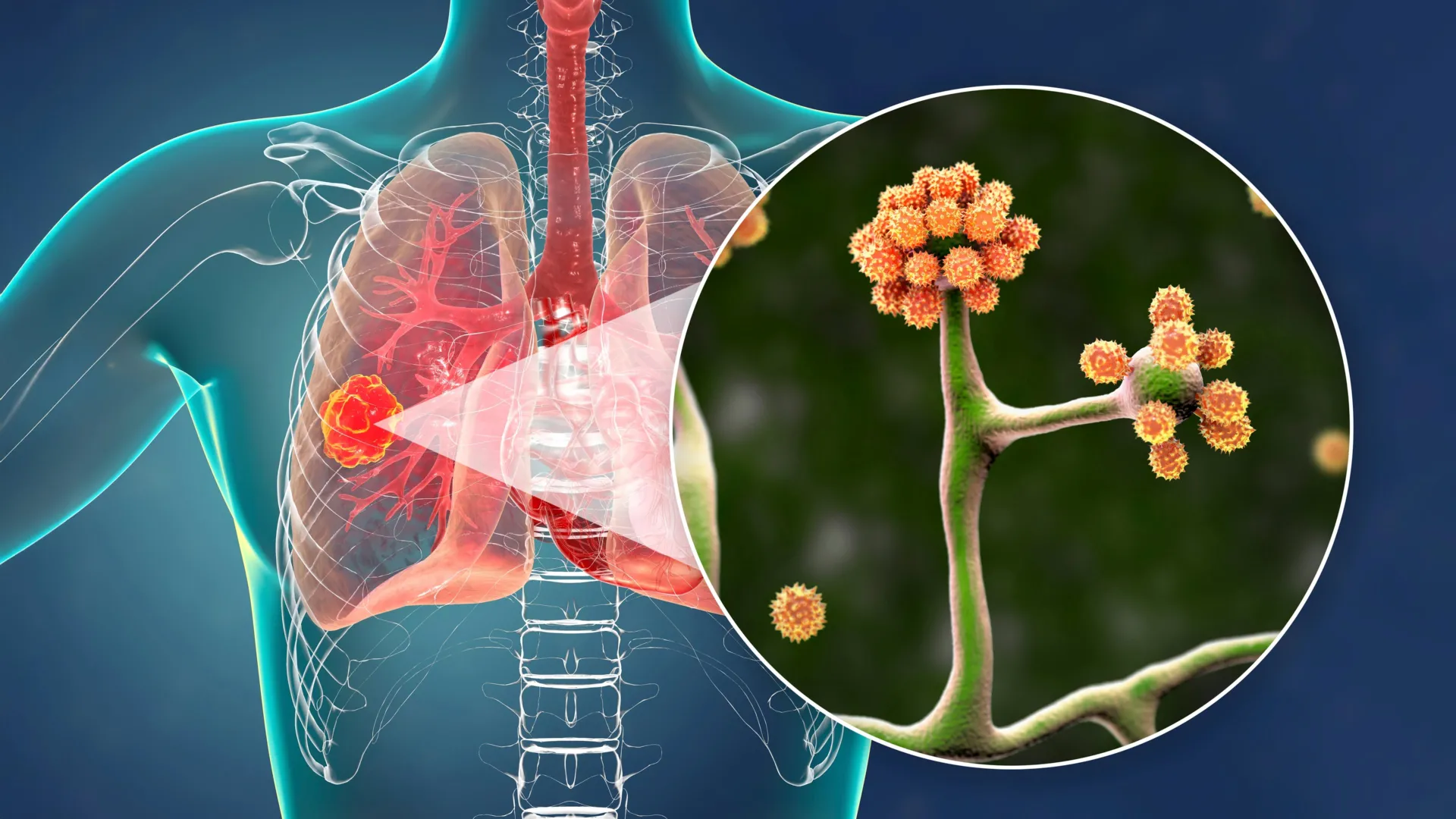
An international team of scientists has discovered that albumin, the most abundant protein circulating in human blood, plays a powerful, previously unrecognized role in protecting the body from mucormycosis, a rare but often fatal fungal infection. The survey results are nature. The research was led by Dr. George Chamilos and his team at the University of Crete and the Institute of Molecular Biology and Biotechnology, with key contributions from a group at the Lundquist Institute for Biomedical Innovation led by Professor Ashraf Ibrahim.
Mucormycosis, also known as “black fungus”, is caused by fungi of the order Mucorales and spreads rapidly throughout the body. This infection is fatal in up to half of cases, and for some patients, diagnosis carries an almost certain risk of death. Infections have surged in India during the COVID-19 pandemic, particularly among people with diabetes, weakened immune systems and malnutrition.
Decreased albumin levels are associated with increased risk of death
Researchers found that patients diagnosed with mucormycosis had significantly lower albumin levels than patients battling other fungal infections. Low albumin levels, known as hypoalbuminemia, have emerged as the strongest predictor of severe outcomes, including death, in a diverse group of patients on multiple continents.
“This is a remarkable finding and has the potential to change the way clinicians treat mucormycosis,” said Dr. Ibrahim, senior author of the study. The results show that hypoalbuminemia is a biomarker that can help doctors identify people at high risk of developing this malignant infection. According to the results of this study, providing patients with albumin rich in free fatty acids may help prevent the establishment of infection, an important strategy given the rate of progression of mucormycosis.
How albumin blocks fungal invasion
“This study also tells us how albumin acts to disable important virulence factors, including toxins and other fungal proteins that cause tissue damage and actively invade human organs,” Dr. Ibrahim explained. The study also opens up the possibility of combining albumin treatment with immunotherapies designed to target Mucorales virulence factors, which Lundquist Institute researchers are currently developing.
Laboratory experiments showed that albumin specifically inhibits the growth of Mucorales fungi without interfering with other microorganisms. When albumin was removed from healthy human blood samples, the fungus was free to grow. Mice lacking albumin were highly vulnerable to infection, but restoring albumin levels provided significant protection.
Fatty acids play an important role
Additional tests revealed that albumin’s antifungal activity is dependent on fatty acids bound to the protein. These fatty acids interfere with fungal metabolism, blocking the production of proteins needed for tissue invasion and disease progression. Blood samples from mucormycosis patients show higher levels of fatty acid oxidation, which may help explain why patients are more susceptible to infection.
Taken together, these discoveries reveal a previously unknown natural defense mechanism within the human body. They also suggest that albumin-based therapy may provide a much-needed new approach to the prevention or treatment of mucormycosis, for which currently effective treatment options are limited.
