

Close Menu

    Subscribe to Updates

    Get the latest creative news from FooBar about art, design and business.

    What's Hot

    The Urgent Gaps in Population Health: What Leaders Must Fix Now

    August 13, 2026

    The Growing Challenge of Treatment-Resistant Depression for Clinicians and Policymakers

    August 12, 2026

    The Core Problem with 2025-2030 DGAs for Clinical Practice

    August 11, 2026
    Facebook X (Twitter) Instagram
    Facebook X (Twitter) Instagram
    Health Magazine
    • Home
    • Environmental Health
    • Health Technology
    • Medical Research
    • Mental Health
    • Nutrition Science
    • Pharma
    • Public Health
    • Discover
      • Daily Health Tips
      • Financial Health & Stability
      • Holistic Health & Wellness
      • Mental Health
      • Nutrition & Dietary Trends
      • Professional & Personal Growth
    • Our Mission
    Health Magazine
    Home » News » These fat-filled brain cells may be worsening multiple sclerosis
    Nutrition Science

    These fat-filled brain cells may be worsening multiple sclerosis

    healthadminBy healthadminJune 29, 2026No Comments4 Mins Read
    These fat-filled brain cells may be worsening multiple sclerosis
    Share
    Facebook Twitter Reddit Telegram Pinterest Email


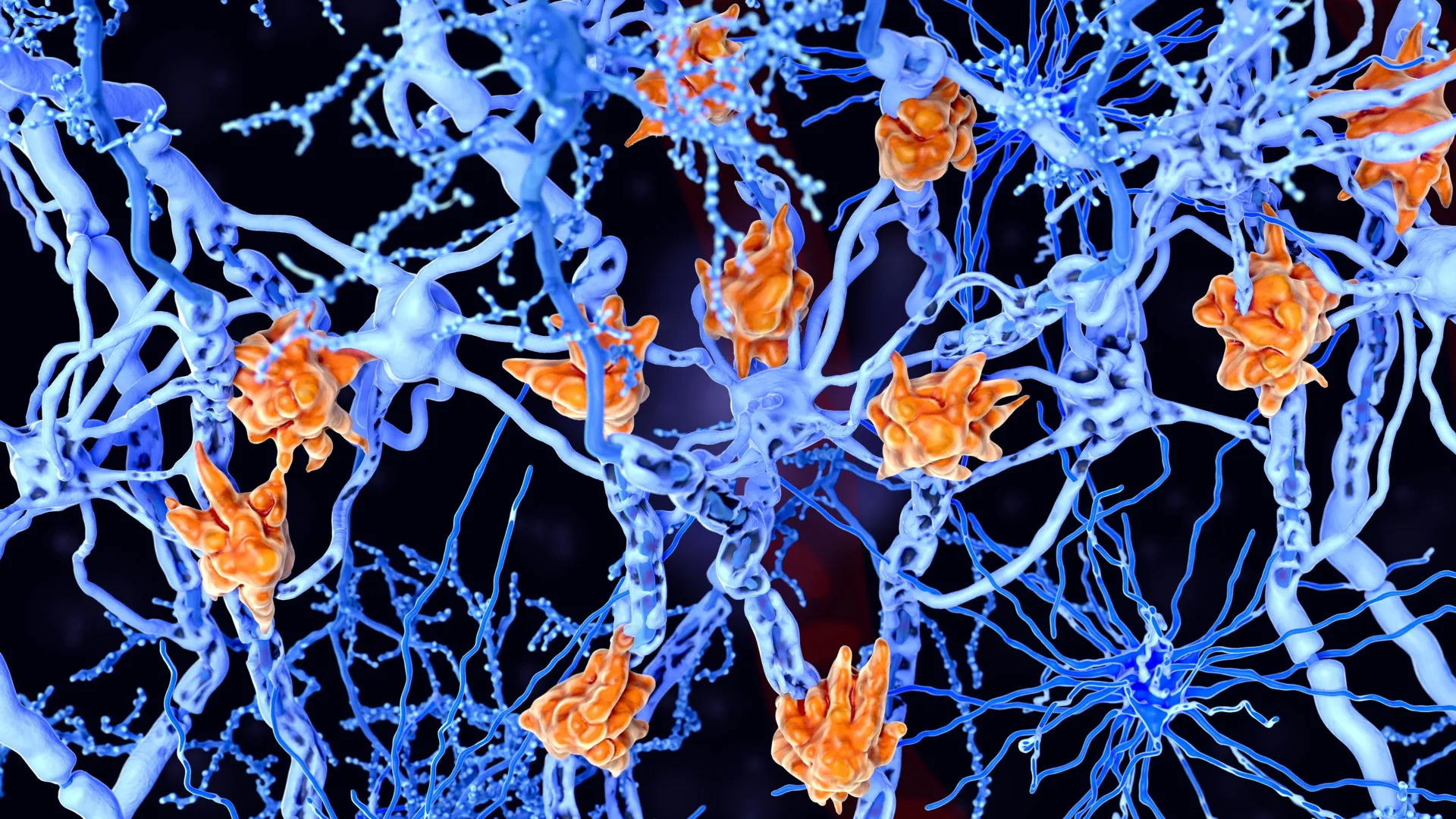
    Researchers led by Daan van der Vliet, in collaboration with teams from the Netherlands Institute for Neuroscience, Leiden University and Utrecht University, have identified a biological process that may help explain why multiple sclerosis (MS) is particularly severe in some patients. Examination of brain tissue from patients with rapidly progressing MS found large numbers of abnormal immune cells filled with lipid droplets. The findings could point to new treatment strategies and future biomarkers that help predict how quickly the disease worsens.

    MS damages myelin, the protective fatty membrane that surrounds nerve fibers in the brain and spinal cord. When this insulation breaks down, patients can develop neurological problems such as difficulty walking and blurred vision.

    This disease does not follow the same course in everyone. Some people experience relatively mild symptoms for many years, while others develop severe disability or paralysis at a young age. Understanding why these results differ has been a long-standing goal for researchers.

    The research team focused on microglia, specialized immune cells in the brain that clear debris and support tissue repair. However, in MS patients, these cells can undergo dramatic changes. It is filled with lipid droplets, giving it a distinctive foamy appearance. Scientists call them “foamy microglia.”

    “We found that patients with large numbers of these foamy microglia were more likely to have a more severe disease course,” said researcher Daan van der Vliet.

    When the brain’s cleanup cells become overloaded

    Normally, microglia help maintain brain health by removing damaged material. In MS, researchers believe that these cells may take up large amounts of damaged myelin, eventually exceeding the myelin’s capacity to handle it.

    “These cells are probably trying to do something good by repairing the damage,” van der Vliet explains. “But it becomes overloaded, so to speak. As a result, it is no longer able to contribute effectively to the repair.”

    This study also revealed important molecular differences between MS lesions that contain and do not contain foamy microglia. The areas containing these cells were enriched in certain fats that are associated with long-term inflammatory activity.

    A more complex view of multiple sclerosis

    Inflammation has long been thought to be a major factor promoting the progression of MS. However, new findings suggest that the disease may involve a more complex series of events.

    “It doesn’t seem to be just an inflammatory response,” Dr. van der Vliet says. “These cells are likely trying to remove the damage and promote repair, but that process fails, worsening inflammation and impeding recovery.”

    The researchers say the results highlight how mechanisms originally intended to protect the brain can ultimately contribute to ongoing damage when the brain no longer functions properly.

    Advanced analysis of human brain tissue

    The research team analyzed brain tissue from 28 deceased MS patients who donated their brains to the Dutch Brain Bank.

    The scientists used several advanced techniques simultaneously to examine gene activity, proteins, and fats within individual MS lesions. This approach allowed us to build a detailed picture of the biological processes occurring in the affected brain regions.

    Van der Vliet says that combining cutting-edge technology with extensive knowledge of brain pathology was essential to the project’s success.

    “We now have incredibly sophisticated technology that allows us to map the brain in great detail,” van der Vliet says. “These techniques are great, but they tell us little if we can’t link them to the pathology of the brain tissue. We were able to recognize these unusual patterns only because the brain tissue has been carefully studied and categorized over many years by the Dutch Brain Bank.”

    Potential biomarkers and personalized MS treatment

    This discovery could ultimately help doctors more accurately predict how MS will progress in individual patients.

    Researchers have found evidence that certain fats associated with foamy microglia may also be detectable in cerebrospinal fluid. If future studies identify these molecules, they could serve as biomarkers to identify patients at high risk for rapid disease progression.

    “This opens up the possibility that in the future, biomarkers will be developed to help doctors identify early on which patients are at risk of rapid deterioration and which treatments are most appropriate.”

    This finding is consistent with ongoing efforts to develop treatments that target fat metabolism and the spread of chronic MS lesions. Some of these experimental treatments have already been evaluated in clinical studies conducted in collaboration with Roche.

    This research was supported by two gravity programs: the Institute of Chemical Immunology (ICI) and the Institute of Chemical Neuroscience (iCNS).


    Source link

    Visited 8 times, 1 visit(s) today
    Share. Facebook Twitter Pinterest LinkedIn Telegram Reddit Email
    Previous ArticlePhysicists create strange new quantum state called fractional Fermi sea
    Next Article Millions of people take omega-3 fish oil for brain health, but new study finds no benefit
    healthadmin

    Related Posts

    The Core Problem with 2025-2030 DGAs for Clinical Practice

    August 11, 2026

    Addressing Challenges in Applying 2025-2030 Dietary Guidelines for Metabolic Health

    August 3, 2026

    This 4,000-year-old city defied the rules of history

    July 30, 2026

    Rice Bran Compounds May Relieve Irritable Bowel Symptoms

    July 30, 2026

    What would happen if the brain did not generate consciousness?

    July 30, 2026

    Scientists discover that evolution repeats itself in the Galapagos Islands

    July 30, 2026
    Add A Comment

    Comments are closed.

    Categories

    • Daily Health Tips
    • Discover
    • Environmental Health
    • Exercise & Fitness
    • Featured
    • Featured Videos
    • Financial Health & Stability
    • Fitness
    • Fitness Updates
    • Health
    • Health Technology
    • Healthy Aging
    • Healthy Living
    • Holistic Healing
    • Holistic Health & Wellness
    • Medical Research
    • Medical Research & Insights
    • Mental Health
    • Mental Wellness
    • Natural Remedies
    • New Workouts
    • Nutrition
    • Nutrition & Dietary Trends
    • Nutrition & Superfoods
    • Nutrition Science
    • Pharma
    • Preventive Healthcare
    • Professional & Personal Growth
    • Public Health
    • Public Health & Awareness
    • Selected
    • Sleep & Recovery
    • Top Programs
    • Weight Management
    • Workouts
    Popular Posts
    • 1773313737_bacteria_-_Sebastian_Kaulitzki_46826fb7971649bfaca04a9b4cef3309-620x480.jpgHow Sino Biological ProPure™ redefines ultra-low… March 12, 2026
    • pexels-david-bartus-442116The food industry needs to act now to cut greenhouse… January 2, 2022
    • 1773729862_TagImage-3347-458389964760995353448-620x480.jpgDespite safety concerns, parents underestimate the… March 17, 2026
    • 1774403998_image_28620e4b6b0047f7ab9154b41d739db1-620x480.jpgGait pattern helps distinguish between Lewy body… March 24, 2026
    • 1773209206_futuristic_techno_design_on_background_of_supercomputer_data_center_-_Image_-_Timofeev_Vladimir_M1_4.jpegMulti-agent AI systems outperform single models… March 11, 2026
    • Leukemia-620x480.jpgBiomimetic platform powers CAR T therapy for… March 9, 2026

    Demo
    Stay In Touch
    • Facebook
    • Twitter
    • Pinterest
    • Instagram
    • YouTube
    • Vimeo
    Don't Miss

    The Urgent Gaps in Population Health: What Leaders Must Fix Now

    By healthadminAugust 13, 2026

    Addressing short-termism, data gaps, and chronic disease pressures to strengthen outbreak preparedness and community health outcomes in 2026.

    The Growing Challenge of Treatment-Resistant Depression for Clinicians and Policymakers

    August 12, 2026

    The Core Problem with 2025-2030 DGAs for Clinical Practice

    August 11, 2026

    The Urgent Health Risks from Climate Change and Pollution

    August 10, 2026

    Subscribe to Updates

    Get the latest creative news from SmartMag about art & design.

    HealthxMagazine
    HealthxMagazine

    At HealthX Magazine, we are dedicated to empowering entrepreneurs, doctors, chiropractors, healthcare professionals, personal trainers, executives, thought leaders, and anyone striving for optimal health.

    Our Picks

    The Urgent Health Risks from Climate Change and Pollution

    August 10, 2026

    AI-Powered Wearables and Telemedicine Trends Driving Adoption

    August 9, 2026

    The Urgent Health Crisis from Pollution and Climate Change

    August 8, 2026
    New Comments
      Facebook X (Twitter) Instagram Pinterest
      • Home
      • Privacy Policy
      • Our Mission
      © 2026 ThemeSphere. Designed by ThemeSphere.

      Type above and press Enter to search. Press Esc to cancel.