


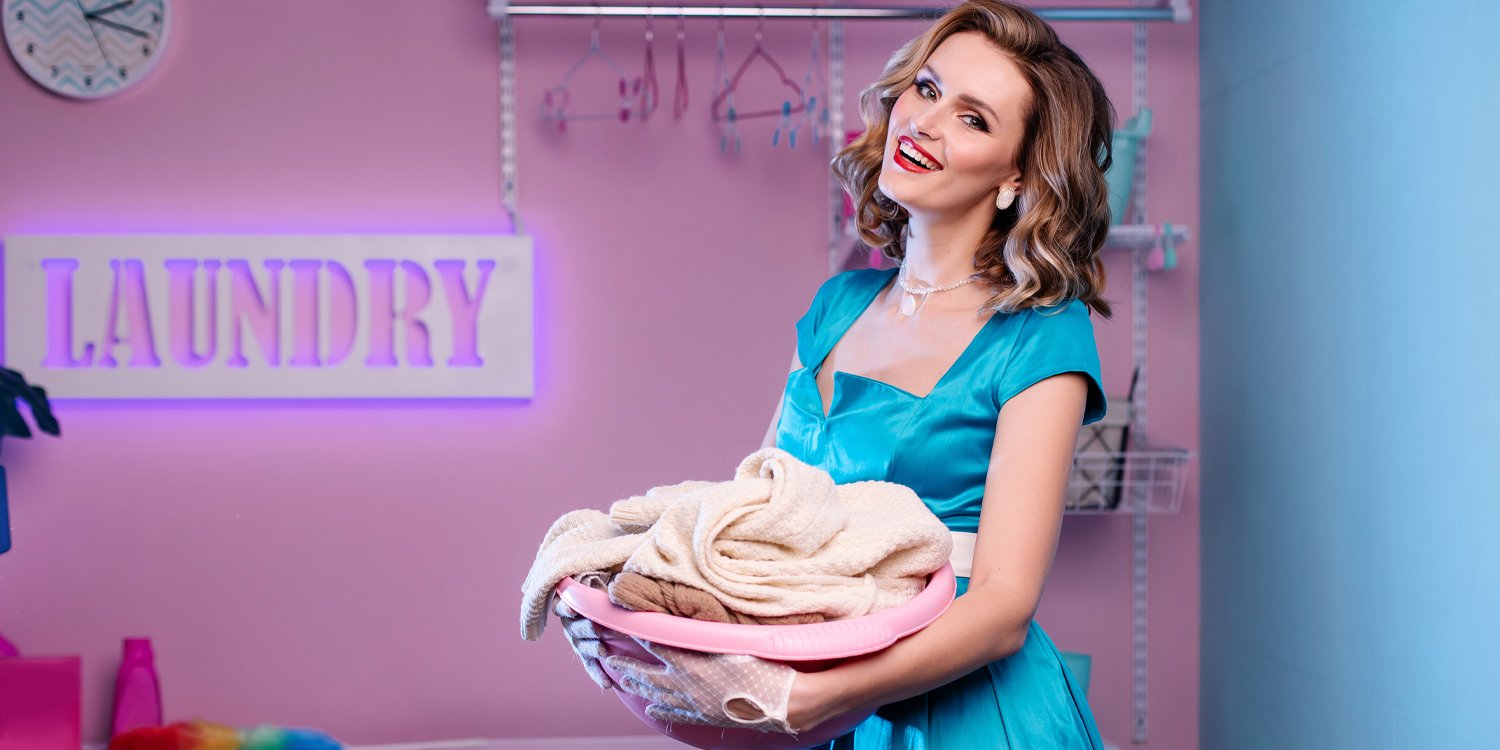
A recent analysis of popular social media accounts revealed that influencers promoting a return to strict traditional gender roles are highly focused on generating revenue alongside patriarchal messages. This study, published in *Psychology of Women Quarterly*, shows how the aesthetics of the past are being used to normalize restrictive hierarchies while creating profitable online businesses. These accounts encourage young viewers to adopt subordination and economic dependence, even as the creators themselves earn independent income through digital advertising labor.
Across platforms like TikTok and Instagram, a subculture of content creators known as “tradwives” is amassing millions of followers. These women submit to the absolute authority of their husbands and promote a lifestyle centered on housework and home education. In their videos, they are often seen baking bread from scratch, wearing vintage aprons, and advocating a return to historical gender and family roles.
To understand this online phenomenon, researchers turn to feminist theories of social hierarchy and power dynamics. Societies often maintain the status quo by treating certain cultural narratives as natural or purely inevitable. Within a system that prioritizes white, heterosexual, middle-class values, certain notions of femininity emerge as the ideal standard.
Scholars refer to this culturally celebrated ideal as hegemonic femininity. This form of femininity requires adherence to certain beauty standards, character traits and conservative values. Although women who successfully perform this role may receive certain social rewards, their compliance ultimately supports a system that continues to subordinate women to men and serves to marginalize other groups of people.
University of Michigan researchers Elizabeth A. Miller and Elizabeth R. Cole designed a study on how trade housewife influencers operate online. The researchers focus specifically on white women in heterosexual marriages, and these creators particularly illuminate how power and security operate within established social hierarchies. The researchers wanted to understand how these influencers justify a return to unequal gender roles while gaining economic status for themselves.
The researchers created new TikTok accounts and used hashtags like “#tradwife” and “#traditionalvalues” to identify the most popular creators in the field. They selected the top five white tradwife influencers based on social media popularity metrics. To collect research data, the team collected the 50 most popular videos from each of these five accounts, resulting in a database of 250 highly viewed posts.
A team of trained reviewers systematically analyzed each video for specific themes and tactical approaches. They looked for content that defined traditional femininity, such as advice on how women should act, dress, and practice their religion. We also looked for nostalgic quotes, blurbs that encourage others to adopt the lifestyle, and efforts to monetize content.
The results revealed a highly selective and uniform aesthetic across nearly all the content analyzed. In approximately 89% of videos, influencers evoked the past through visual imagery and music. The creators regularly featured antique-style cast iron stoves, mason jars, and vintage clothing, often set to midcentury popular music.
More than 40 percent of the posts contained clear instructions about how women should live and act. Creators regularly advised female viewers to prioritize marriage and motherhood over career aspirations. Approximately one in six videos outlines specific appearance expectations and instructs women to stay in shape and adopt specific beauty routines for their husbands.
One influencer urged viewers to “dress up” before their spouses return from work. Another creator posted, “Men are visually designed. As a wife, it’s beautiful to accept that.” The researchers noted that these messages reframed sexual repression and strict physical regulation as loving expressions of gratitude toward male donors.
Religious prescriptions also frequently appeared, with creators framing traditional gender roles as divine missions. Influencers advised viewers to pray for a submissive heart when they have trouble accepting their husband’s authority in the home. Other posts emphasized childbearing, told young women that raising children is a moral obligation, and directly criticized modern women who choose not to have children.
Some influencers present intellectual submission as an attractive remedy for young women. One creator posted a video of herself baking bread with the caption, “I know I say it myself, but having my husband lead the family is so relaxing.” This content consistently encouraged viewers to submit to male authority, from everyday household finances to political opinions.
To make this lifestyle appealing to modern audiences, influencers rarely portrayed domestic work as tiring or demanding. About half of the videos showing housework depicted the task as completely effortless. Women were often seen carrying out household chores at a leisurely pace while wearing flawless makeup and perfectly styled hair.
These sophisticated depictions hide the physical and emotional exhaustion historically associated with running a household and raising young children. It exaggerated the serious vulnerability inherent in complete financial dependence on a spouse. Only a few of the videos mentioned the downsides of the lifestyle, such as the true financial challenges of living on one income.
Although influencers claimed to reject modern careerism, their digital footprints told an entirely different story. Almost 63% of posts contained overt tactics aimed at generating revenue or improving engagement algorithms. The creators aggressively modeled the tradwife lifestyle while using product placement to sell meat subscriptions, branded housewares, and cosmetics to viewers.
The analysis also looked at how these creators engaged with racial topics and found that racial topics were almost absent. Of the 250 videos, only two explicitly mentioned race, and both involved influencers denying that the tradwife lifestyle is associated with white supremacy. The researchers observed that this silence is characteristic of how dominant racial ideology works, as it is often treated as an implicit social default.
These accounts reinforce modern racial and gender hierarchies by presenting highly specific and exclusive family structures as a return to timeless traditions. The creators use the language of feminist choice to sell a philosophy of life that ultimately aims to eliminate that very choice for women. In doing so, these influencers exploit contemporary real-world dissatisfaction with work-life balance to sell a reactionary political worldview.
Researchers acknowledge that watching video content provides only one perspective on the tradie wife phenomenon. This study did not measure how viewers actually interpret or use these social media posts in their own lives. Viewers may watch content purely for entertainment, aesthetic inspiration, or bread recipes, without ever internalizing patriarchal messages.
Future research might examine the comment sections of these videos to see how women actively negotiate and discuss ideas presented by trade wife influencers. The study authors recommend a strong media literacy program for young internet users. Teaching teens how to recognize digital marketing strategies and curated aesthetics can help combat restrictive gender messages online.
The study, “Selling the #SubmissiveWife: How White Tradwife Influencers Commodify Traditional Femininity,” was written by Elizabeth A. Miller and Elizabeth R. Cole.
