


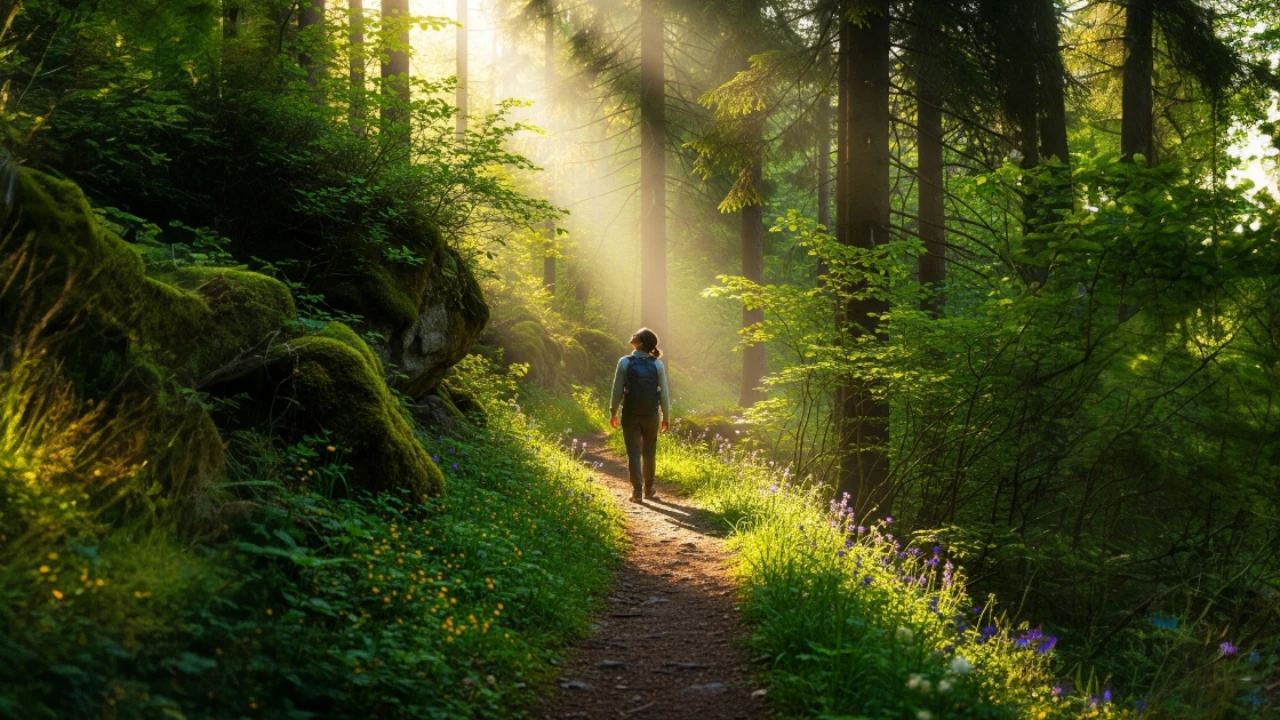
In a world full of noise, deadlines, and digital distractions, the mind craves silence and connection. Nature walks offer exactly that—a peaceful escape that restores mental clarity, emotional balance, and inner calm. You don’t need expensive therapy sessions or luxury retreats. A quiet walk through a park, forest, beach, or garden can help you breathe, reset, and feel grounded again.
This guide explores how spending time in nature impacts mental health, reduces anxiety, and creates emotional peace backed by mindfulness, science, and practical strategies.
Why Nature Has a Healing Effect on the Mind
Nature works differently from the fast-paced modern lifestyle. It lowers stress by engaging your senses—the sound of birds, rustling leaves, flowing water, fresh air, and natural light. According to research from the American Psychological Association, exposure to natural environments helps lower cortisol, the stress hormone, and improves mood and focus.
How Nature Calms the Brain
- Reduces overstimulation caused by screens and noise
- Activates the parasympathetic nervous system (rest and relaxation)
- Improves emotional balance by increasing serotonin levels
Emotional Peace Through Mindful Walking
A nature walk becomes more powerful when combined with mindfulness. Instead of rushing, you slow down, breathe deeply, and observe your surroundings.
Mindful Walking Techniques
- Focus on the rhythm of your steps and your breath
- Listen to natural sounds—wind, birds, flowing water
- Look at the colors, textures, and movement in nature
- Feel the ground beneath your feet and the temperature of the air
When you walk with presence, you release mental tension and reconnect with yourself.
Reducing Stress and Anxiety Naturally
Nature walks work like emotional therapy for the mind. They reduce symptoms of anxiety, depression, and stress by shifting focus from worries to the present moment.
Stress-Reducing Benefits of Nature Walks
- Calm racing thoughts and emotional overwhelm
- Lower heart rate and blood pressure
- Encourage deep breathing and relaxation
- Provide a natural form of meditation and grounding
Even 20 minutes in green spaces can dramatically improve mood and relieve mental fatigue.
Nature Walks and Improved Mental Clarity
When your mind feels scattered or stuck, walking in nature restores cognitive function. A study published by the University of Michigan found that walking in natural settings improves memory, focus, and creative thinking.
How Nature Boosts Brain Function
- Increases oxygen supply to the brain
- Supports problem-solving and idea generation
- Reduces mental exhaustion from work or study
- Enhances mindfulness and decision-making abilities
Connection Between Nature and Emotional Wellness
Nature doesn’t just calm the mind—it heals emotions. Emotional wellness means being aware of your feelings and managing them in healthy ways.
Emotional Health Benefits of Nature
- Encourages self-reflection and emotional release
- Helps regulate mood and reduce irritability
- Boosts feelings of joy, gratitude, and inner peace
- Supports emotional healing after grief, heartbreak, or burnout
Walking among trees, water, or mountains reminds you of simplicity and presence—things that modern life often takes away.
Physical Health Benefits That Enhance Mental Well-Being
Nature walks don’t just help mentally; they improve physical wellness, which directly influences emotional stability.
Physical Benefits
- Better blood circulation and cardiovascular health
- Stronger immune system due to increased oxygen and sunlight exposure
- Release of endorphins, the body’s natural happiness chemicals
- Improved sleep quality and energy levels
Physical wellness supports mental wellness. When your body feels good, your mind follows.
Outdoor Walking vs Indoor Treadmills: Why Nature Wins
Walking indoors keeps your body active, but it doesn’t offer the emotional and mental healing that outdoor environments bring.
| Indoor Walk | Nature Walk |
|---|---|
| Limited scenery | Scenic, relaxing views |
| Artificial air and lights | Fresh air, natural sunlight |
| No sensory variation | Engages all senses (sight, sound, smell, touch) |
| Often stressful or boring | Inspires creativity and calm |
How to Make Nature Walks a Daily Habit
You don’t need miles of forest—start with any green space available to you.
Simple Ways to Begin
- Walk in local parks, riverbanks, or community gardens
- Take morning or evening nature strolls
- Leave your phone behind or switch to silent mode
- Try forest bathing (shinrin-yoku), a Japanese method of healing through nature immersion
Tips to Stay Consistent
- Schedule nature walks like an appointment
- Invite a friend for shared motivation
- Walk after stressful meetings or workdays
- Combine with journaling, meditation, or breathing exercises
Digital Detox: How Nature Helps You Disconnect to Reconnect
Constant screen time increases anxiety and drains mental energy. Nature walks create a natural digital detox.
Benefits of Unplugging in Nature
- Reduces dependency on notifications and distractions
- Helps you reconnect with real emotions and thoughts
- Improves attention span and mental resilience
- Increases creativity and intuition
Creating a Deeper Spiritual Connection Through Nature
For many, nature is a sacred space that awakens spiritual awareness. You don’t need religious beliefs—just an open heart.
Nature and Spiritual Peace
- Inspires gratitude and inner reflection
- Encourages acceptance and letting go
- Helps you feel connected to something greater than yourself
- Brings a sense of harmony and purpose
Conclusion: Step Outside and Start Healing
You don’t need expensive therapy or complex routines to heal your mind. You need nature, silence, fresh air, and movement. A simple walk can transform stress into peace, confusion into clarity, and loneliness into connection.
Your path to mental health and emotional peace begins with one step—outside.
FAQs
How long should a nature walk be for mental health benefits?
Even 20 minutes can lower stress and improve mood, but longer walks provide deeper relaxation.
Can nature walks help with depression?
Nature reduces cortisol levels and improves serotonin production, which helps manage symptoms of depression.
Is walking in urban parks as effective as forests or mountains?
Yes. Any green space—parks, gardens, riversides—offers psychological benefits.
What should I take on a nature walk?
Comfortable shoes, water, light clothing, and minimal distractions like phones or headphones.
Can I practice mindfulness and meditation while walking?
Absolutely. Focus on breathing, sounds, and sensations to turn your walk into a moving meditation.
